Cities & Culture
Happy Birthday, World Heritage: 10 UNESCO Anniversaries in 2026
In 2026, Germany celebrates ten UNESCO World Heritage anniversaries – from Romanesque architecture in Speyer and Roman heritage in Trier to Bauhaus architecture, industrial heritage, ancient beech forests and Jewish history along the Rhine. A year of travel filled with places where history comes alive.
 Give “germany.travel” priority on Google
Speyer Cathedral: Romanesque Architecture in an Anniversary Year
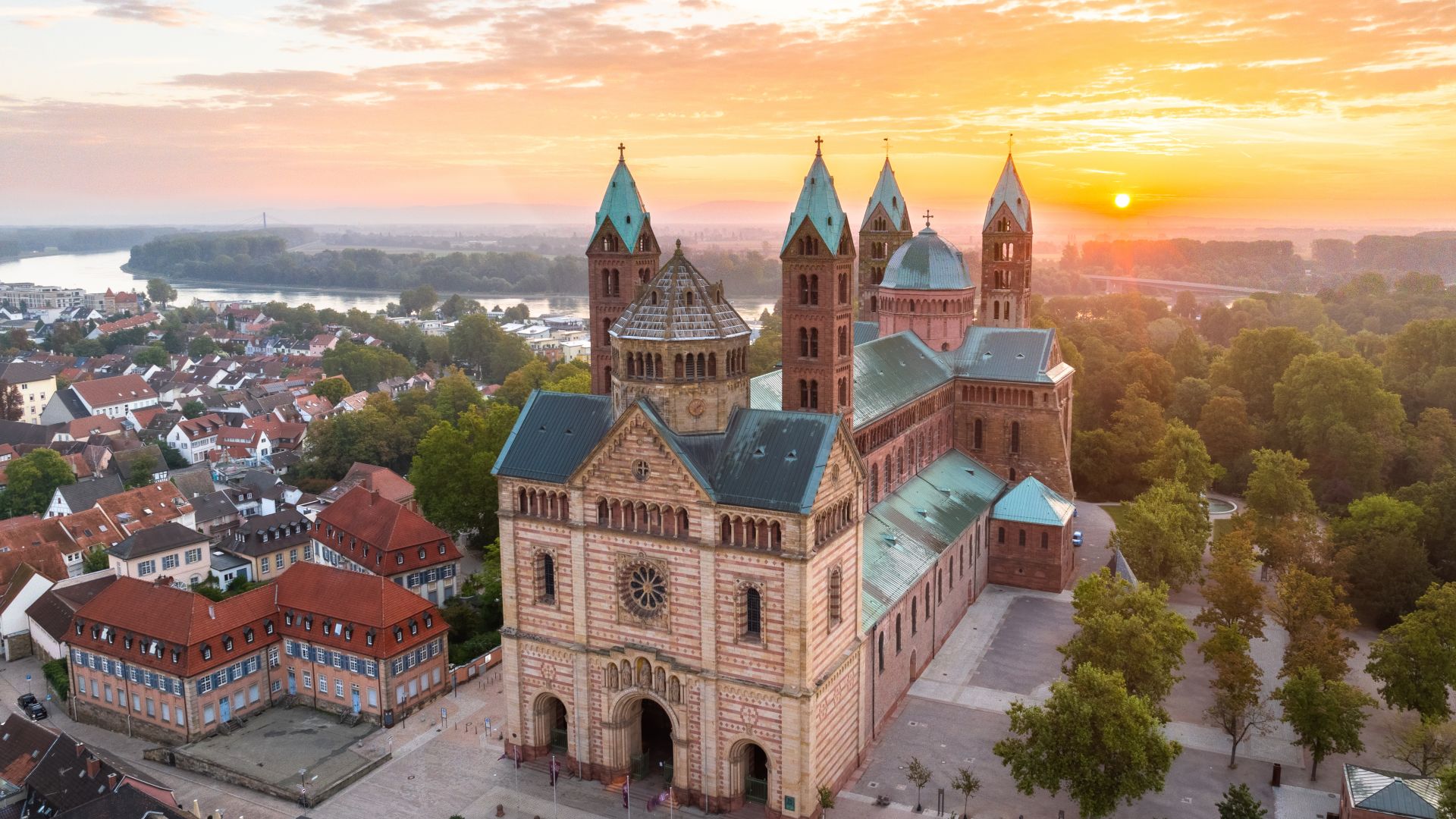 Speyer: Luftaufnahme des Doms zu Speyer
©DZT (Loïc Lagarde)
Speyer: Luftaufnahme des Doms zu Speyer
©DZT (Loïc Lagarde)
For over 900 years, the Imperial Cathedral has shaped the skyline of Speyer, one of Germany’s oldest cities. In 2026, it marks the 45th anniversary of its inscription on the UNESCO World Heritage List. At the same time, attention is already turning to the next major milestone: in 2030, the cathedral will celebrate the 1,000th anniversary of its foundation. Visitors to the cathedral not only experience the spectacular architecture of the world’s largest Romanesque church, but also enjoy magnificent views over Speyer and the wide Rhine plain.
Trier: Roman Heritage in Everyday Life
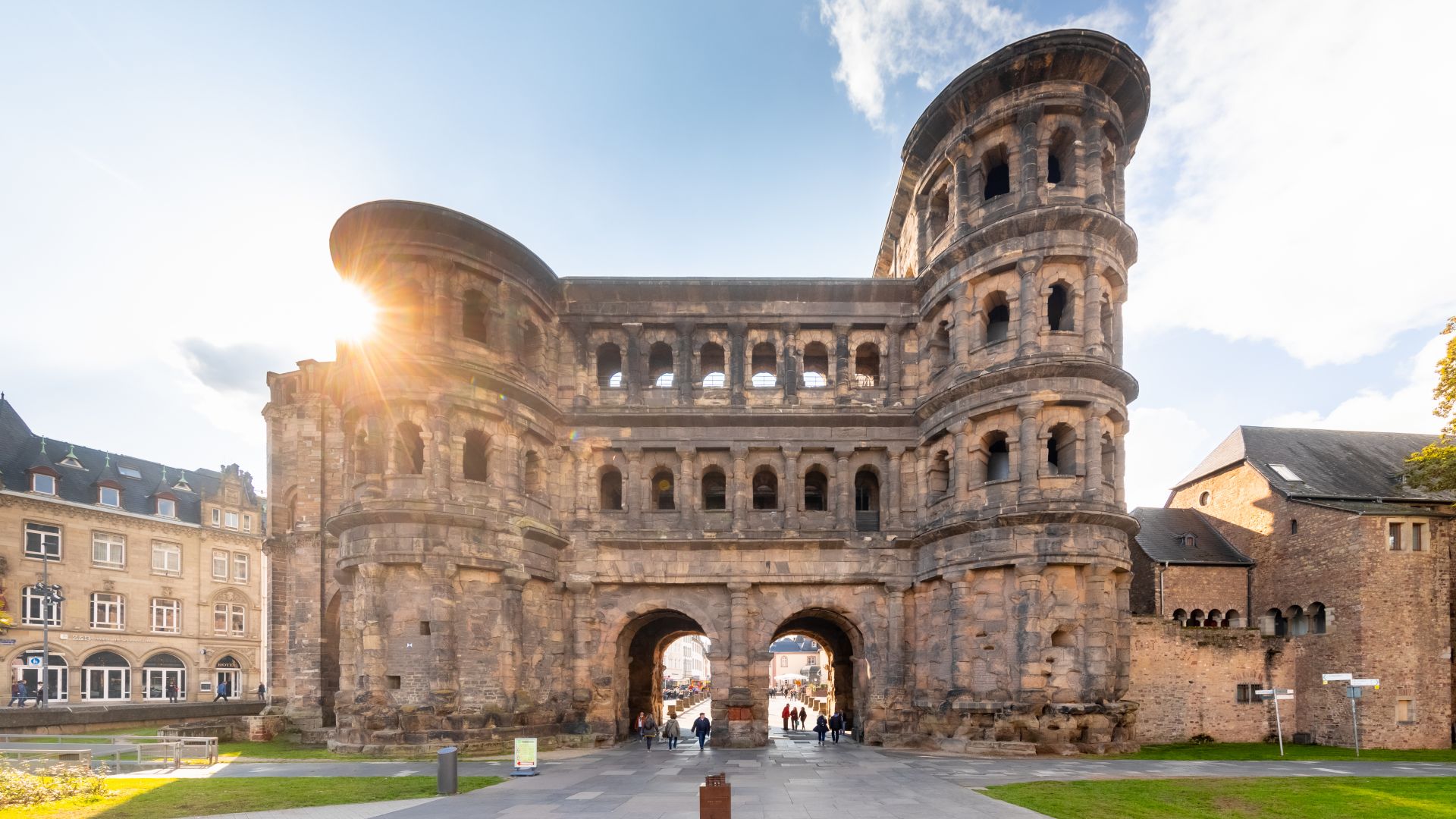 Trier: Porta Nigra, UNESCO World Heritage Site
©DZT (Loïc Lagarde)
Trier: Porta Nigra, UNESCO World Heritage Site
©DZT (Loïc Lagarde)
The Porta Nigra, the Basilica of Constantine, the Imperial and Barbara Baths, the amphitheatre, the Roman bridge, the Igel Column, as well as the cathedral and the Church of Our Lady make Trier an impressive stage of European history. For 40 years, this ensemble has been part of the UNESCO World Heritage. In 2026, the city on the Moselle demonstrates how ancient walls and modern urban life are closely intertwined.
Wittenberg and Eisleben: Luther Sites
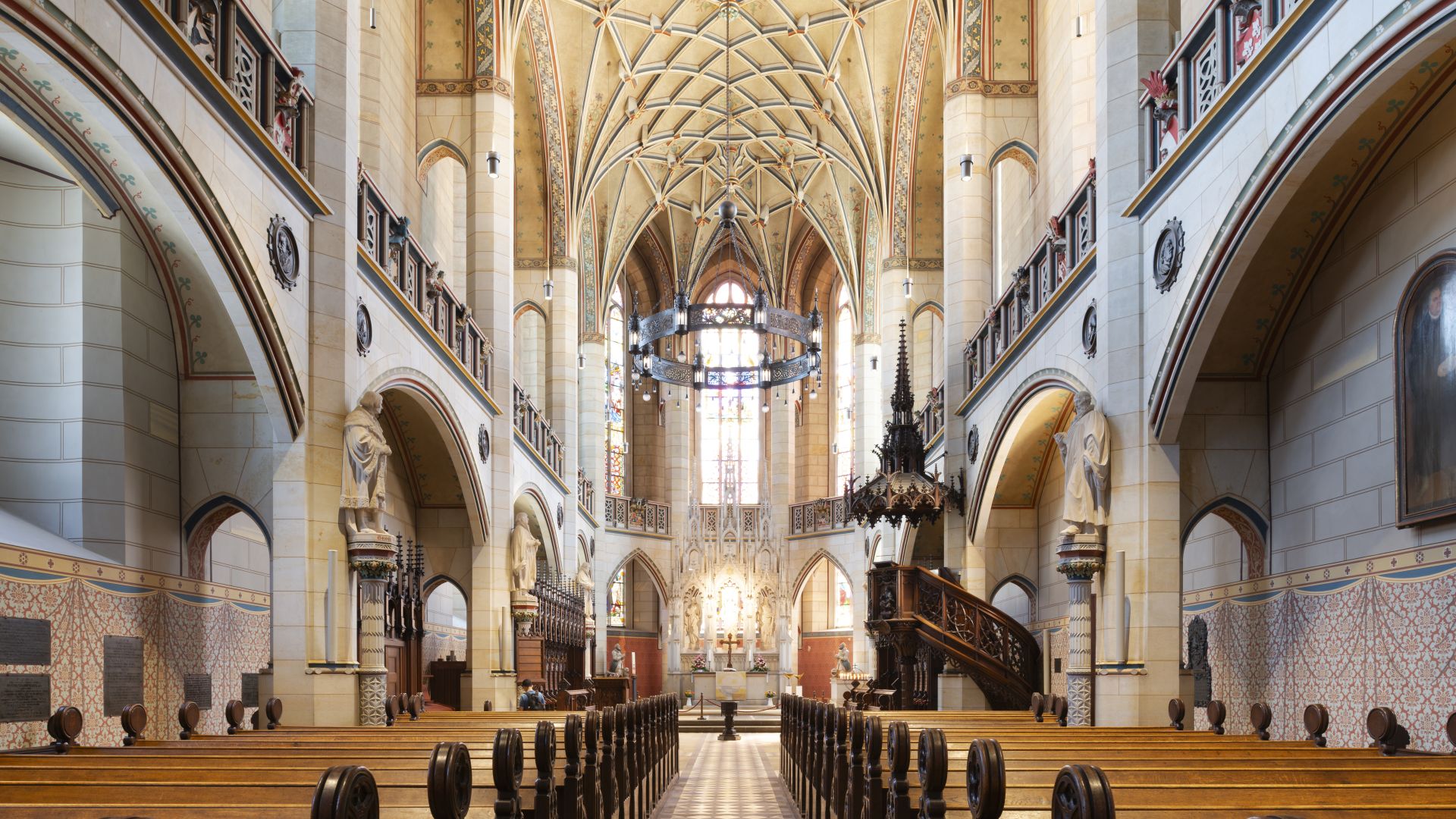 Wittenberg: Interior view of the castle church
©DZT (Francesco Carovillano)
Wittenberg: Interior view of the castle church
©DZT (Francesco Carovillano)
Wittenberg and Eisleben lead to places closely associated with Martin Luther and the Reformation. For 30 years, the Luther memorials have been part of the UNESCO World Heritage. Luther House, Castle Church, Birth House and Death House offer insights into an era that profoundly shaped religion, education and European cultural history.
Bauhaus Sites: Tracing the Roots of Modernism
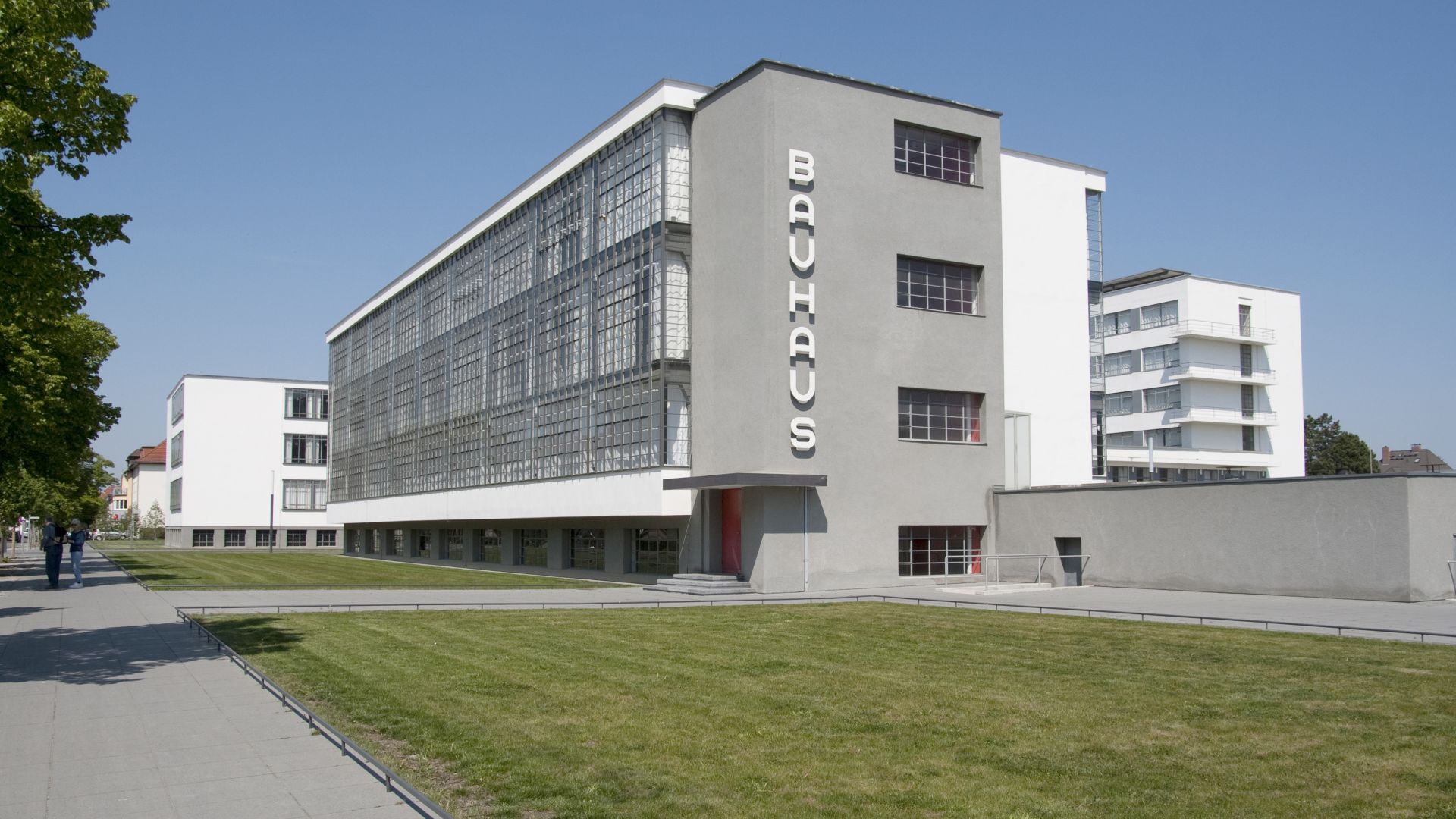 UNESCO World Heritage Site Bauhaus Dessau by Walter Gropius 1925/26
©Stiftung Bauhaus Dessau (Yvonne Tenschert)
UNESCO World Heritage Site Bauhaus Dessau by Walter Gropius 1925/26
©Stiftung Bauhaus Dessau (Yvonne Tenschert)
Clean lines, bright spaces, new ideas: in Weimar, Dessau and Bernau, the Bauhaus comes to life at its original locations. The Bauhaus sites have been on the UNESCO World Heritage List for 30 years. Historic school buildings, Masters’ Houses, collections and the visitor centre in Bernau show how modernism transformed architecture, design and everyday life.
Zollverein Essen: Industrial Heritage in Transformation
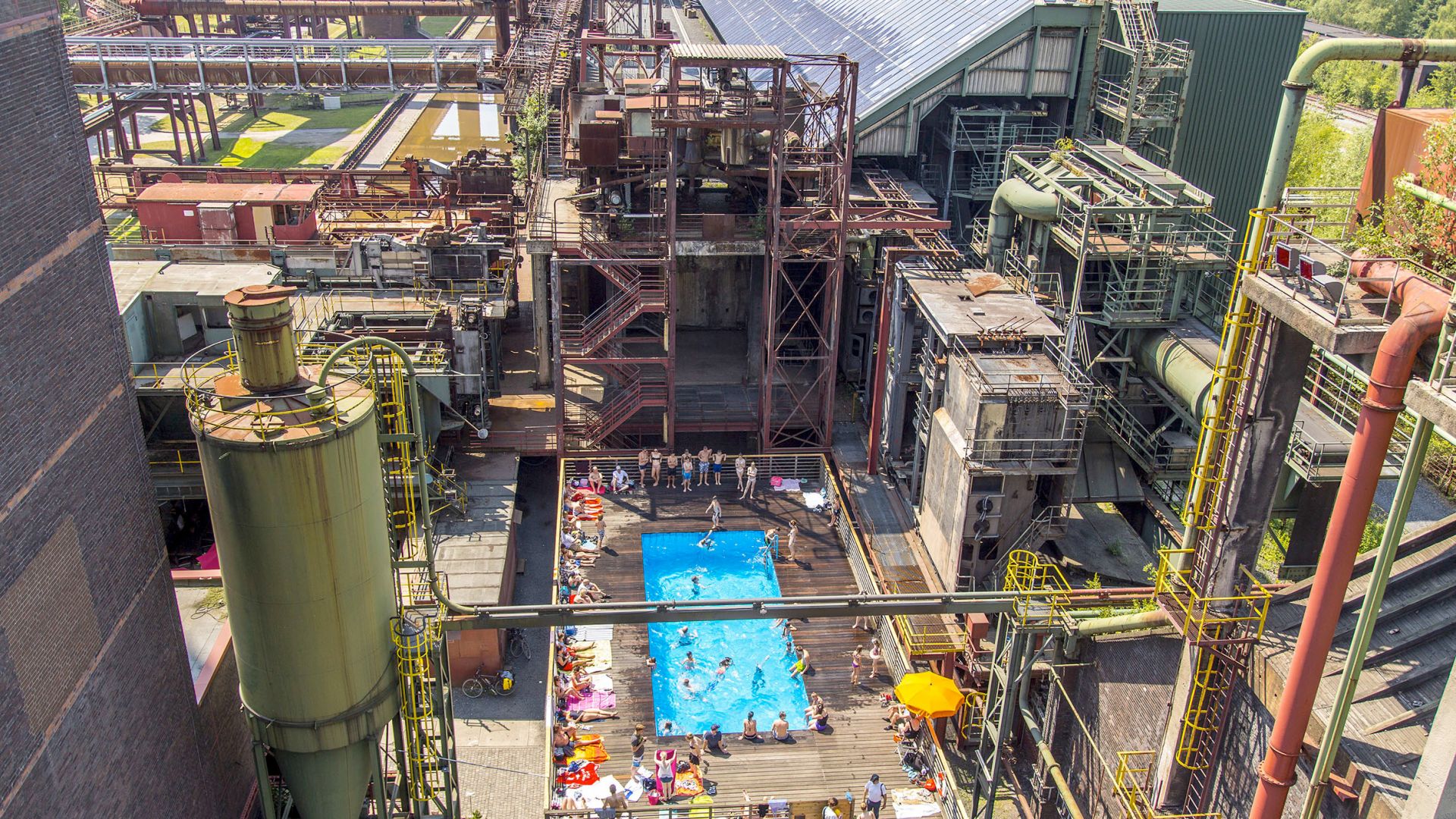 Essen: UNESCO world heritage site colliery Zollverein, swimming pool
©Stiftung Zollverein (Jochen Tack)
Essen: UNESCO world heritage site colliery Zollverein, swimming pool
©Stiftung Zollverein (Jochen Tack)
In Essen, the Zollverein Coal Mine demonstrates how industrial history can evolve into a vibrant cultural site. Between headframes, coal washing plant and coke ovens, the once closed-off industrial complex has become an open space for culture and encounters. For its 25th World Heritage anniversary, Zollverein is introducing the World Heritage Forum – a multilingual and accessible hub for digital and multimedia experiences and interpretation.
Regensburg: Cathedral, Danube and the Danube Limes
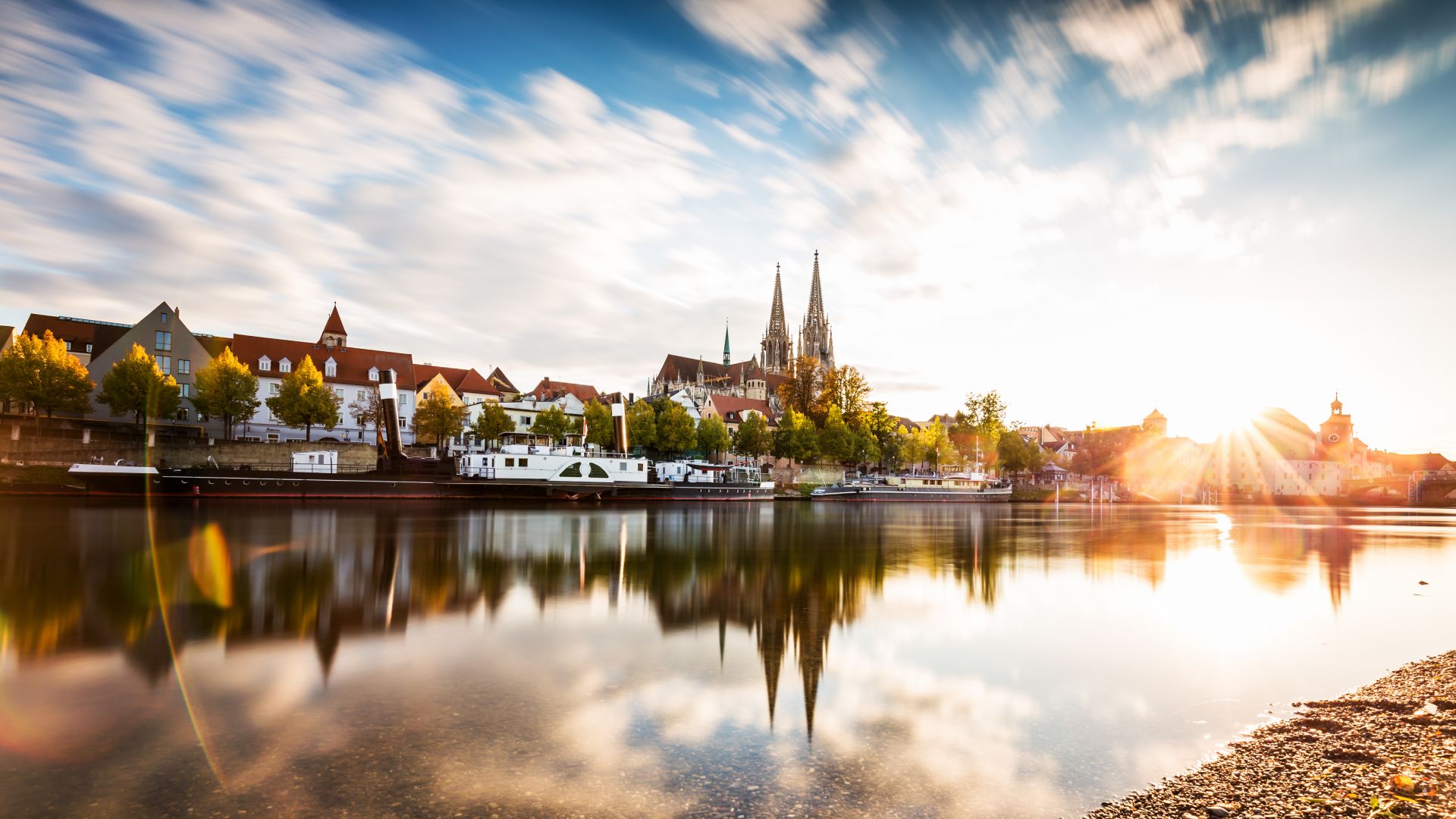 Regensburg: Danube with skyline in sunset
©Getty Images (vertmedia)
Regensburg: Danube with skyline in sunset
©Getty Images (vertmedia)
Regensburg celebrates 20 years as a UNESCO World Heritage Site for its Old Town with Stadtamhof, a dense historic ensemble featuring St. Peter’s Cathedral, the Stone Bridge and patrician houses. With the Roman Danube Limes, the city on the Danube received its second World Heritage title in 2021 – a distinction only a few cities can claim.
Hainich: Ancient Beech Forests, Quiet Wilderness
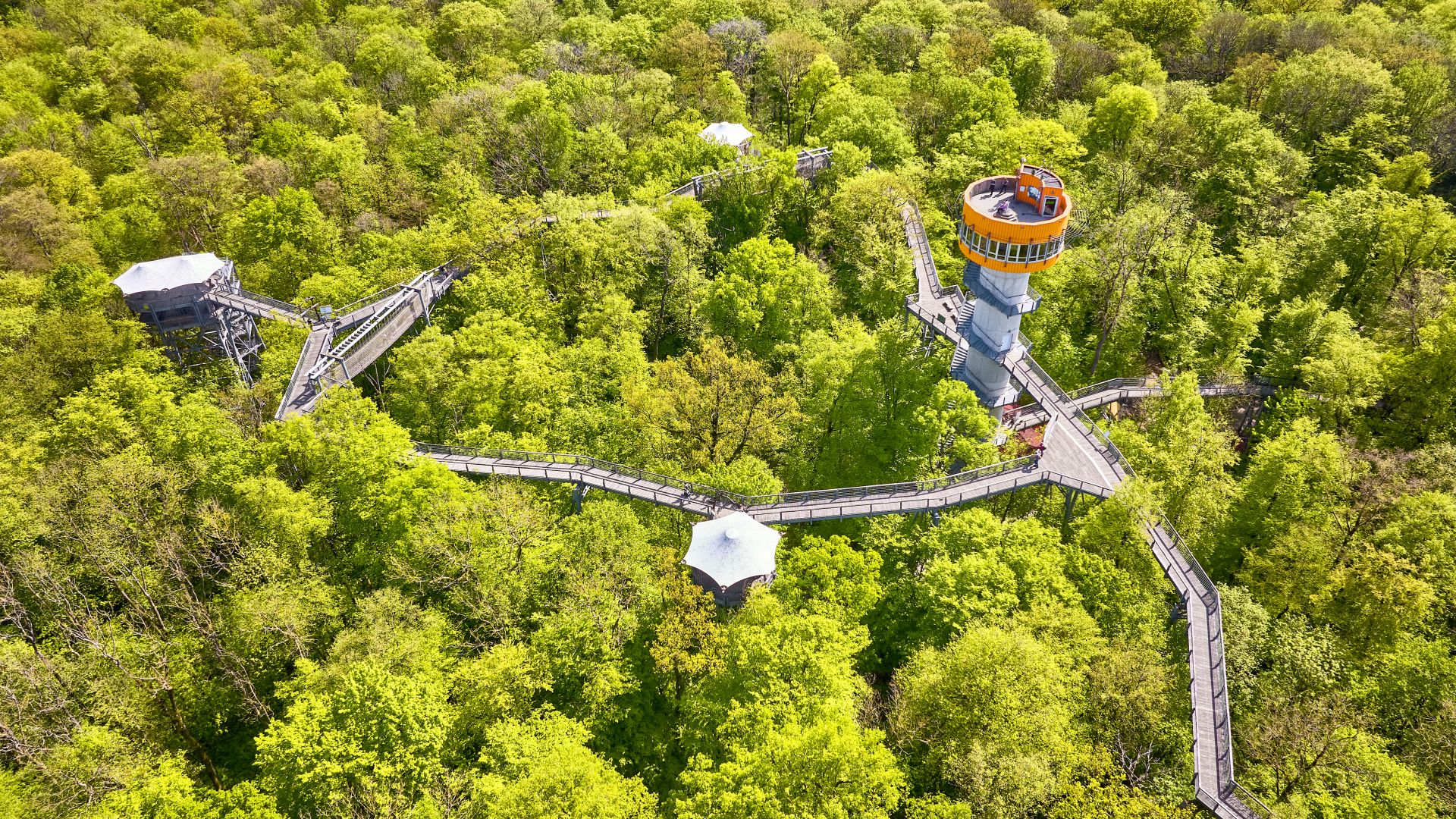 Hainich National Park
©DZT (Jens Wegener)
Hainich National Park
©DZT (Jens Wegener)
In Hainich National Park, a forest is growing where nature is given the time it needs. For 15 years, the area has been part of the UNESCO Natural World Heritage of beech forests. In 2026, ranger-guided tours, research days and hikes invite visitors to experience this habitat mindfully – from the forest floor to the treetops.
Pile Dwellings: History Beneath the Water
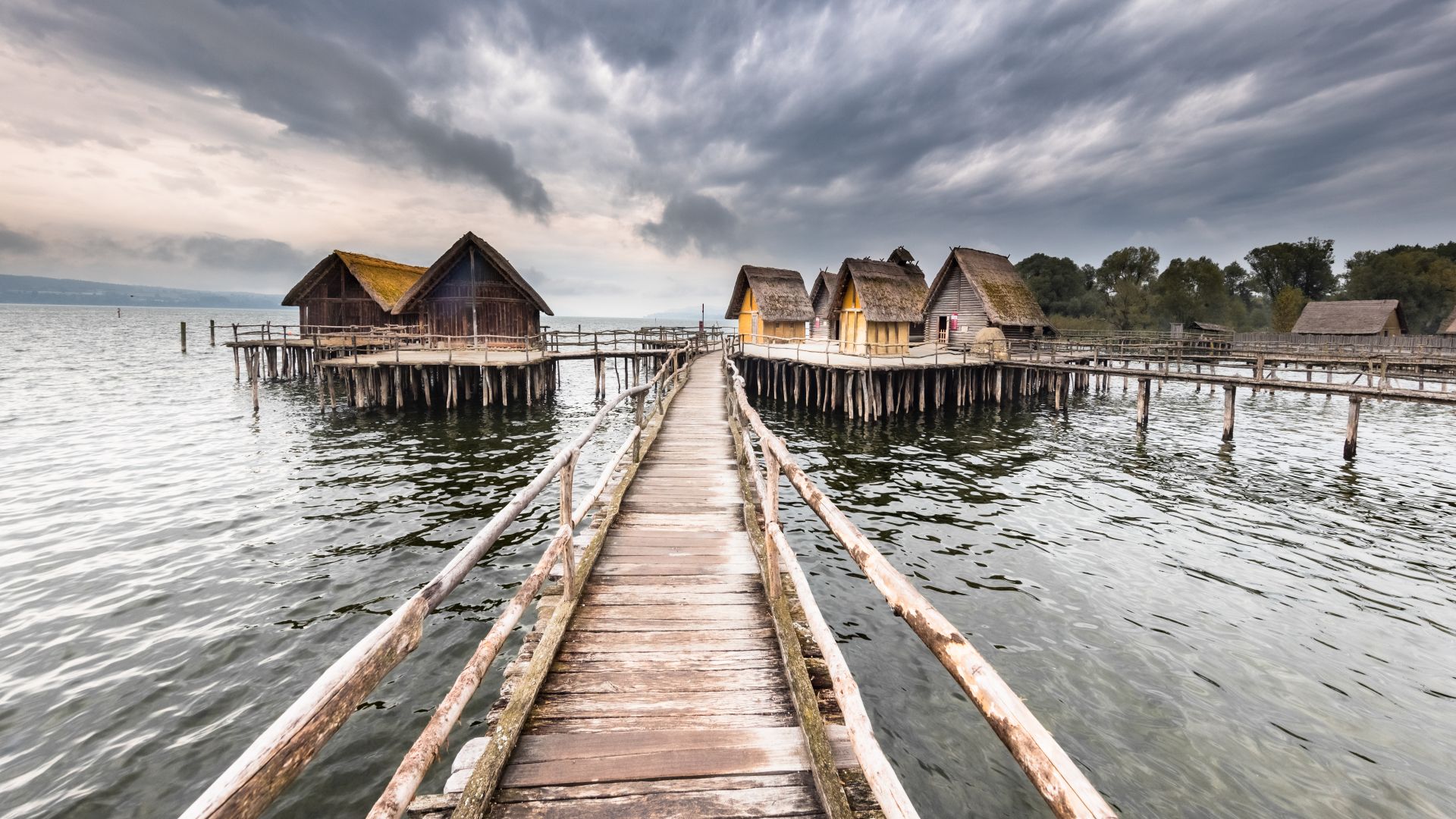 Uhldingen-Mühlhofen: Prähistorische Pfahlbauten im Alpenraum, UNESCO-Welterbe: Relikte vergangener Siedlungen
©DZT (Loïc Lagarde)
Uhldingen-Mühlhofen: Prähistorische Pfahlbauten im Alpenraum, UNESCO-Welterbe: Relikte vergangener Siedlungen
©DZT (Loïc Lagarde)
The World Heritage site of the prehistoric pile dwellings lies largely beneath the water – at Lake Constance, it is brought to life at the Unteruhldingen Archaeological Open-Air Museum. The site, together with 110 other pile dwelling locations in six European countries, has been a UNESCO World Heritage Site since 2011. In the anniversary year 2026, original finds and the new lakeside museum take visitors on a journey into the world of the Stone and Bronze Ages.
Stuttgart: Le Corbusier at the Weissenhof Estate
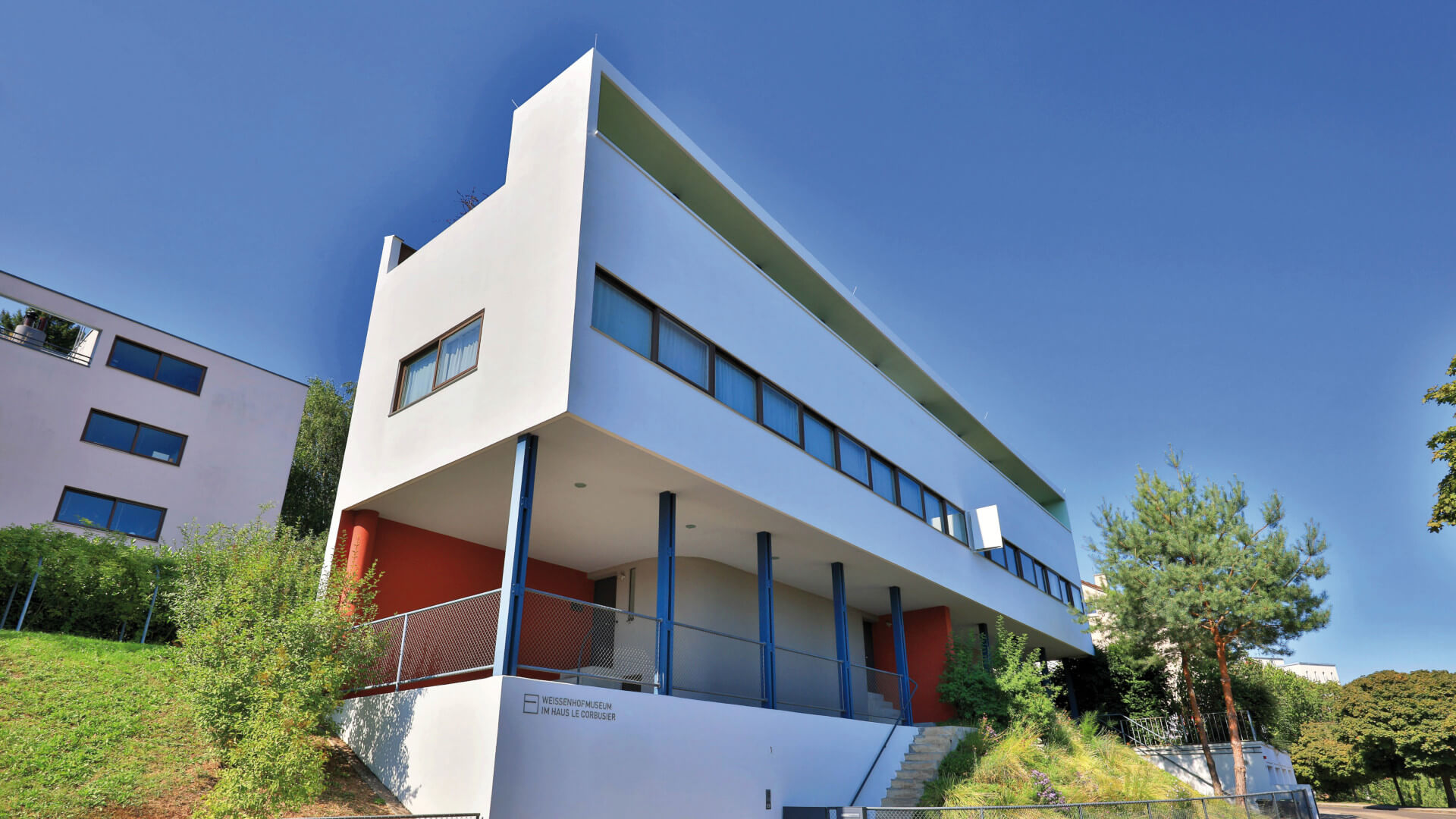 Stuttgart: Weissenhof Estate and museum, architects: Le Corbusier/Pierre Jeanneret 1927, UNESCO World Heritage
©Stuttgart-Marketing GmbH (SMG) (Achim Mende)
Stuttgart: Weissenhof Estate and museum, architects: Le Corbusier/Pierre Jeanneret 1927, UNESCO World Heritage
©Stuttgart-Marketing GmbH (SMG) (Achim Mende)
Two houses in Stuttgart’s Weissenhof Estate show how star architect Le Corbusier experimented with new ideas of living in 1927. For ten years, they have been part of the transnational UNESCO series dedicated to his architectural work. The Weissenhof Museum brings the ideas of New Architecture to life through guided tours, lectures and exhibitions.
SchUM Sites: Jewish Heritage on the Rhine
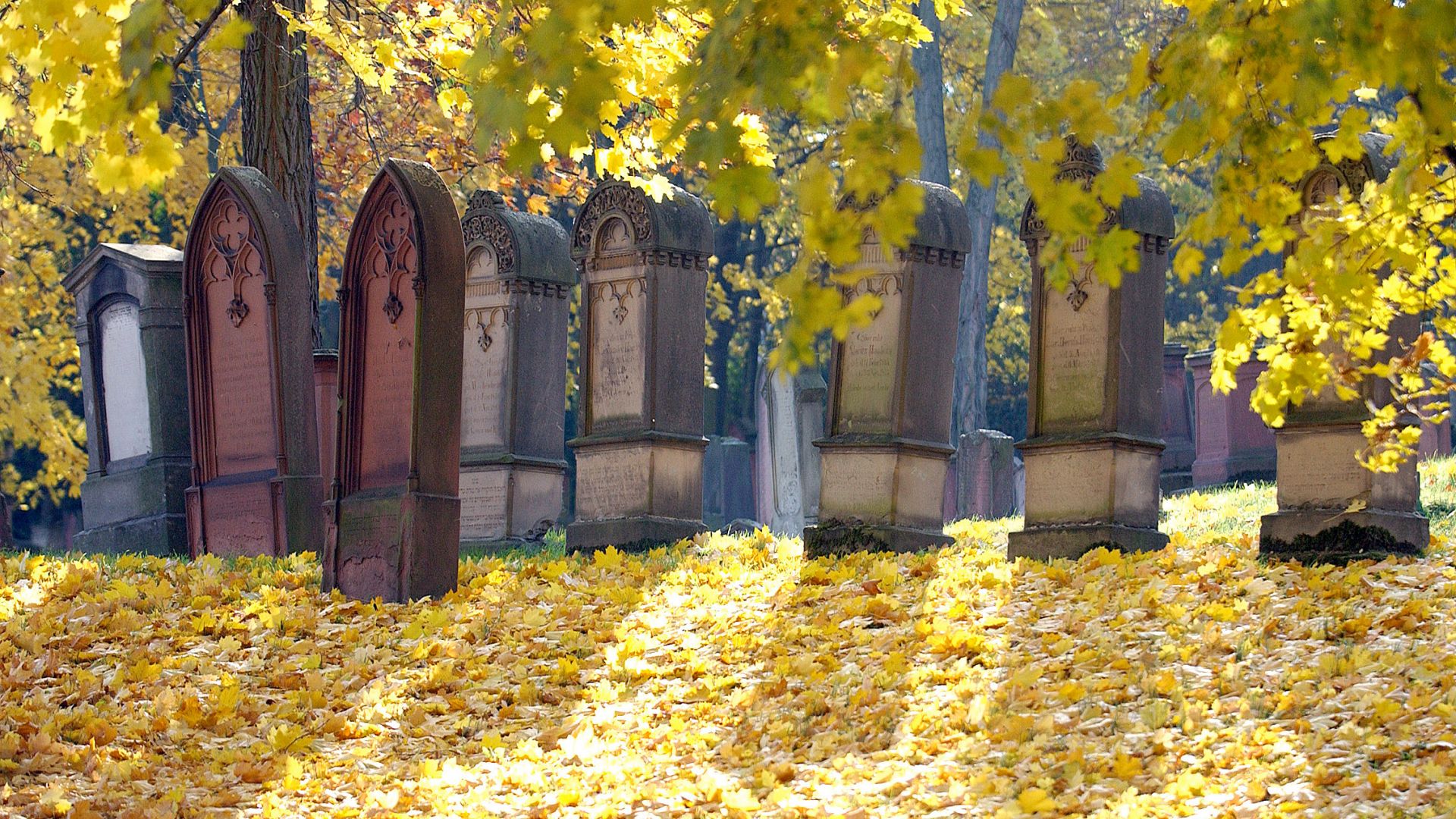 Mainz: 'Judensand' oldest Jewish cemetery of Europe (1012)
©Landeshauptstadt Mainz
Mainz: 'Judensand' oldest Jewish cemetery of Europe (1012)
©Landeshauptstadt Mainz
Speyer, Worms and Mainz preserve, through the SchUM sites, Germany’s first Jewish UNESCO World Heritage. In 2026, the inscription marks its fifth anniversary. Synagogues, ritual baths, houses of study and cemeteries tell stories of scholarship, community life, loss and preservation. A heritage that connects Jewish, European and global history
FAQ – Frequently Asked Questions
Which UNESCO World Heritage sites are celebrating anniversaries in 2026?
In 2026, ten UNESCO World Heritage sites in Germany will celebrate anniversaries – including Speyer Cathedral, the Roman monuments in Trier, the Luther memorials in Wittenberg and Eisleben, the Bauhaus sites, Zollverein, Regensburg, the Hainich, the pile dwellings, Le Corbusier in Stuttgart, and the SchUM sites.
Which anniversaries are particularly suitable for a city trip?
For city trips, destinations such as Trier, Speyer, Regensburg, Weimar, Dessau and Stuttgart are especially suitable, as well as the SchUM cities of Speyer, Worms and Mainz. These destinations combine World Heritage sites with museums, guided tours, historic old towns and cultural events.
Which UNESCO anniversary takes you into nature?
Hainich National Park in Thuringia represents the UNESCO Natural World Heritage of the ancient beech forests. Ranger tours, hiking trails and the treetop walk make the forest easy to explore.
Where is industrial heritage being celebrated?
In the Ruhr region – and particularly “at Zollverein” in Essen, as locals traditionally say. The former coal mine and coking plant site celebrates 25 years as a UNESCO World Heritage Site this year and, with the World Heritage Forum, is opening a new meeting point for visitors.
What makes the SchUM sites special?
The SchUM sites in Speyer, Worms and Mainz are Germany’s first Jewish UNESCO World Heritage sites. They represent an important chapter of Jewish scholarship and culture along the Rhine.
What does SchUM stand for?
SchUM is an acronym derived from the initial letters of the medieval Hebrew city names: Shin (Sch) = ShPIRA = Speyer / Waw (U) = Warmaisa = Worms / Mem (M) = Magenza = Mainz
Where can Bauhaus architecture be experienced in 2026?
Visitors can discover Bauhaus sites in Weimar, Dessau and Bernau. Historic school buildings, Masters’ Houses, collections and visitor centres demonstrate how the Bauhaus shaped architecture, design and everyday culture.