Cities & Culture
Literary Tours 2027
This text was generated with the help of AI ✨
The year 2027 shines a spotlight on three authors who have shaped Germany’s literary heritage far beyond its borders: Heinrich Heine, Hermann Hesse, and Günter Grass. Their anniversary years connect major works with formative places in their lives, leading to Düsseldorf, the Upper Middle Rhine Valley, the Black Forest, Lake Constance, and Lübeck.
 Give “germany.travel” priority on Google
Heinrich Heine (1797–1856): Düsseldorf and the Loreley
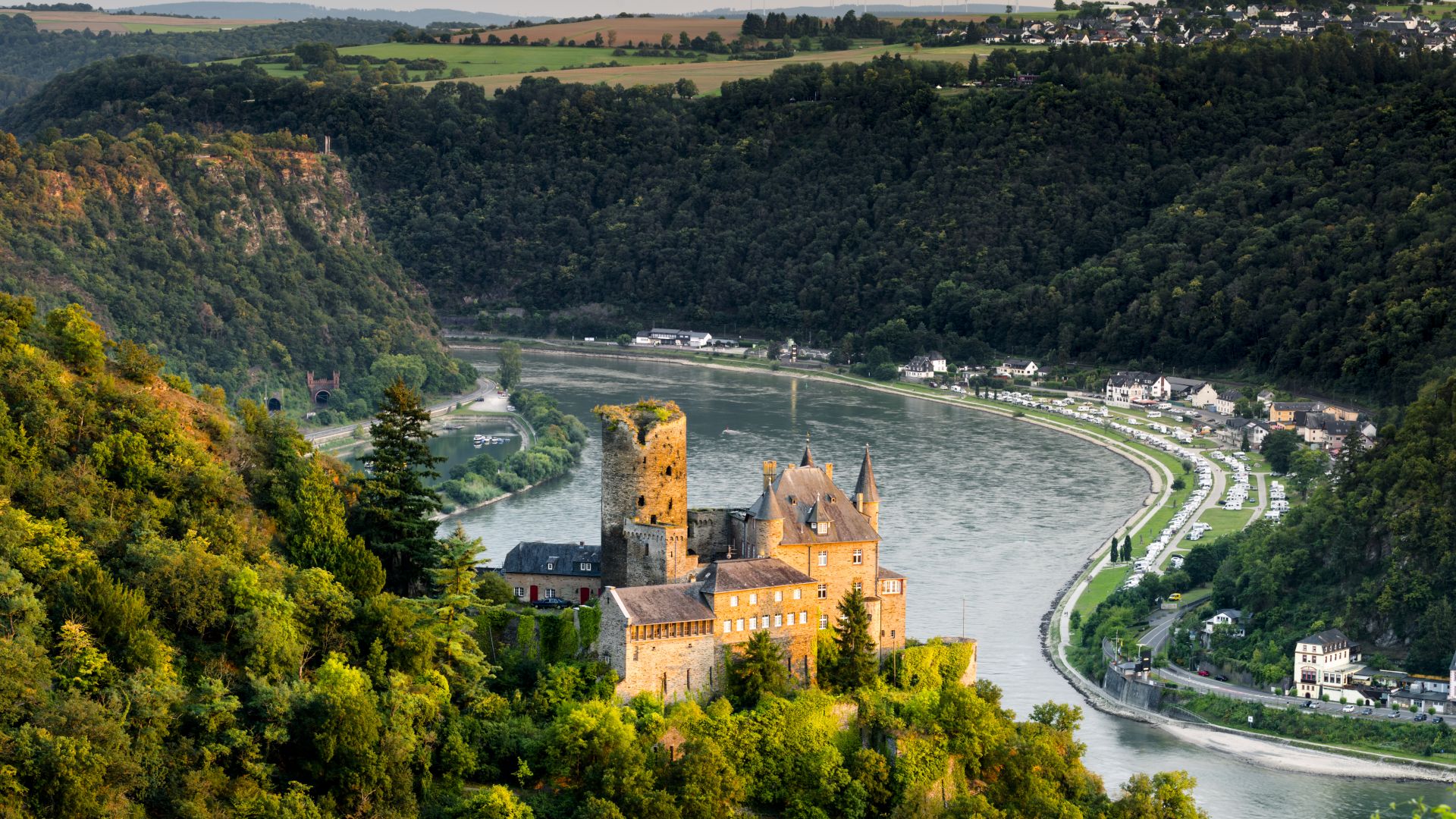 Sankt Goarshausen: Katz Castle on the Rhine in the Upper Middle Rhine Valley
©DZT (Francesco Carovillano)
Sankt Goarshausen: Katz Castle on the Rhine in the Upper Middle Rhine Valley
©DZT (Francesco Carovillano)
Heine’s works combine irony, a longing for freedom, and Rhine romanticism. In Düsseldorf, where he was born in 1797, this historical journey of discovery begins in the Old Town, just a few steps from the Rhine. At the Heinrich Heine Institute, the exhibition Romanticism and Revolution presents the world’s only permanent exhibition dedicated to the poet’s life and work; guided tours and a digital tour are also available. Heinrich Heine’s birthplace has established its reputation as one of the state capital’s leading literary centres through its events and readings. Those wishing to broaden their literary horizons should travel further up the Rhine to the Loreley in the Upper Middle Rhine Valley, the place whose myth Heine’s poem "Die Lore-Ley" made internationally famous. The Loreley is one of the defining landmarks of this unique UNESCO World Heritage cultural landscape, where castles, palaces, vineyards and the Rhine come together in a richly layered cultural setting.
Hermann Hesse (1877–1962): The Black Forest and Lake Constance
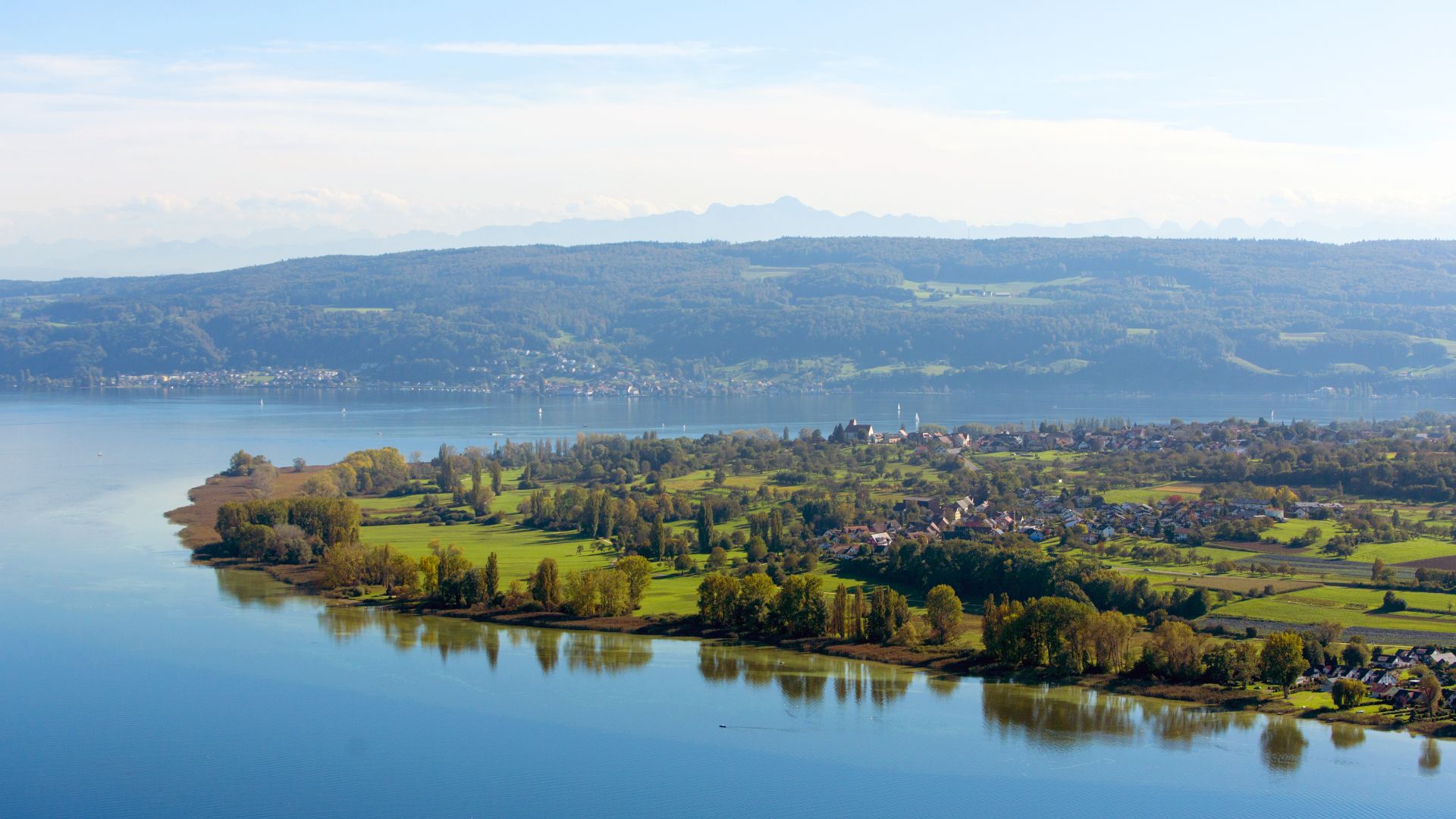 Lake Constance: Peninsula Hoeri in the Lower lake between Radolfzell and Stein/Rhine (CH)
©TMBW (Achim Mende)
Lake Constance: Peninsula Hoeri in the Lower lake between Radolfzell and Stein/Rhine (CH)
©TMBW (Achim Mende)
Born on 2 July 1877 in Calw in the Black Forest and awarded the Nobel Prize in Literature in 1946, Hermann Hesse remains one of the most widely read German-language authors of the 20th century around the world. He wrote about the search for meaning, inner freedom, and self-realisation — themes that continue to draw visitors from across the globe to the places where he lived. In Calw, Hermann Hesse can be discovered in a particularly vivid way: on a literary walking tour through the old town, in the Hermann Hesse exhibition at the Tannery Museum, and along hiking trails around Calw that follow his footsteps through the Black Forest. The Gerbersauer Lesesommer invites visitors to rediscover Hesse’s hometown through his literary eyes. Those wishing to trace Hesse’s life journey further can travel to Gaienhofen on the Höri peninsula on Lake Constance, which also offered refuge to persecuted artists such as Otto Dix after 1933. His Lake Constance years are brought to life there by the Hesse Museum and the annual Hermann Hesse Days, which honour the Nobel Prize winner’s multifaceted life and work through a range of events.The themed trail Naturgenuss und Müßiggang leads through the landscape in which Hesse sought a life close to nature as an artist from 1904 to 1912.
Günter Grass (1927–2015): Lübeck
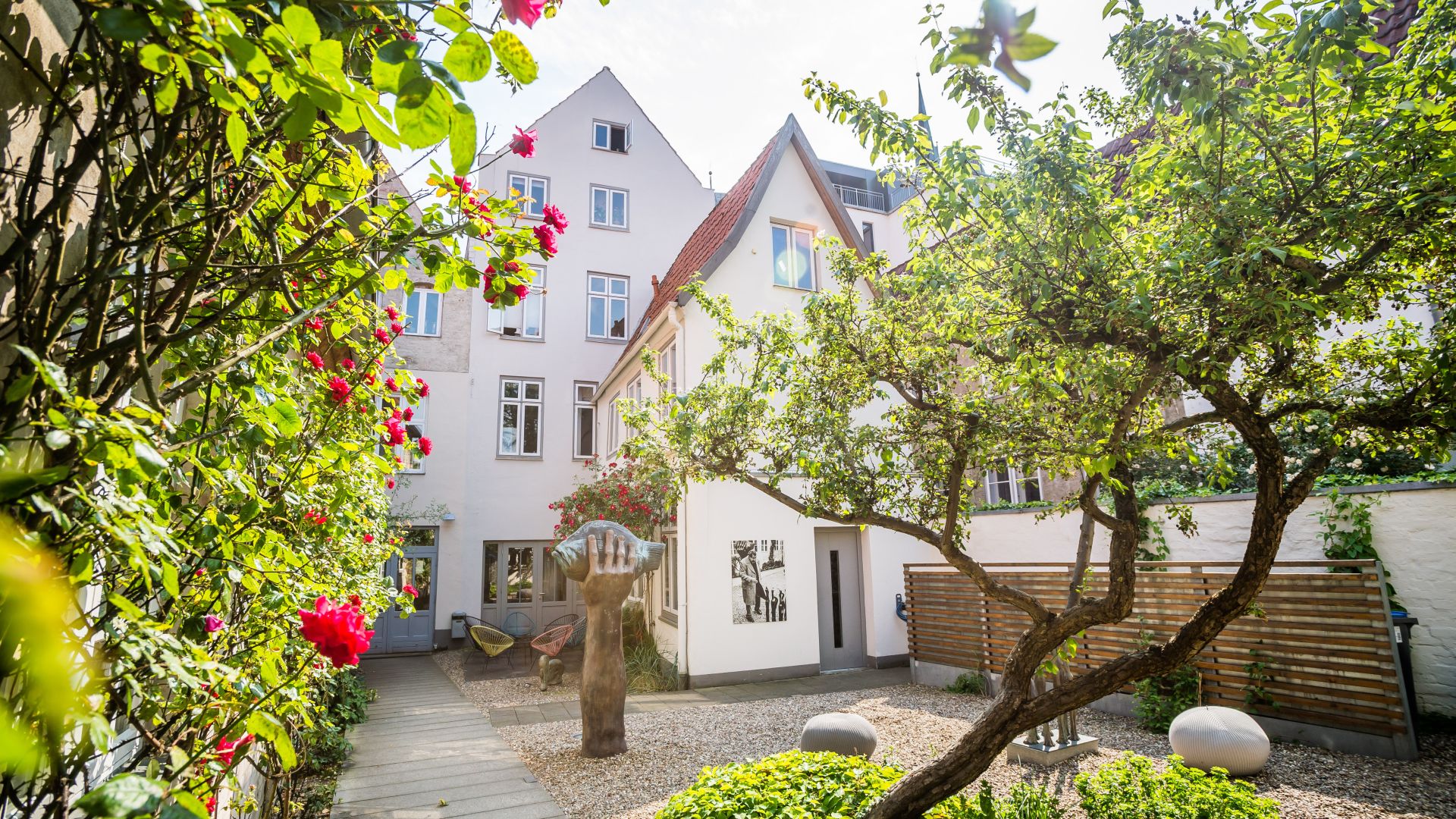 Luebeck: Inner courtyard of the Günter Grass House
©LTM (Olaf Malzahn)
Luebeck: Inner courtyard of the Günter Grass House
©LTM (Olaf Malzahn)
Born on 16 October 1927 in Danzig (today’s Gdańsk in Poland), Günter Grass played a defining role in shaping the cultural image of the Federal Republic of Germany as a major voice of post-war German literature. Awarded the Nobel Prize in Literature in 1999, he combined literary expressiveness with political commitment and visual artistic work. This rich diversity can be experienced impressively at the Günter Grass House in Lübeck’s Old Town, which was added to the UNESCO World Heritage List in 1987. The permanent exhibition brings together manuscripts, drawings, writing instruments, and interactive media. Guided tours also introduce visitors to Grass’s close connection to Lübeck, which became his adopted home after he was forcibly separated from his hometown of Danzig at the end of the Second World War. In Lübeck’s Old Town, central themes of his works — origin, memory, and responsibility — can be directly connected to the place itself while walking through its historic lanes, courtyards, and winding passageways.
Info Box
Heinrich Heine
Arrival and onward travel by train & ferry: Düsseldorf’s Old Town can be reached from Düsseldorf Central Station by underground and tram. Continue by Deutsche Bahn to the Loreley region, travelling to St. Goarshausen or Kaub.
Accommodation: Hotels are available in Düsseldorf’s Old Town, along the Rhine promenade, or near the main station. For the Loreley, suitable options include hotels, inns, holiday apartments, or campsites directly on the Rhine around St. Goarshausen and St. Goar.
Reading recommendations: Book of Songs for the lyrical Heine; Germany. A Winter’s Tale for his political view of Germany; French Affairs – reports on France during the July Revolution of 1830.
Hermann Hesse
Arrival and onward travel by train & boat: Travel from Stuttgart to Calw on the Hermann Hesse Railway. There are connections via Radolfzell/Reichenau for onward travel to Lake Constance. Gaienhofen can be reached by bus, train, and boat across the Untersee.
Accommodation: Calw offers private rooms, guesthouses, holiday apartments, and hotels. In Gaienhofen, visitors will find hotels, inns, guesthouses, holiday apartments, and campsites close to the lake. Hosts also provide the BODENSEECARD WEST, which includes discounts for bus and rail travel.
Reading recommendations: Siddhartha for the spiritual search for meaning; Steppenwolf for the inner conflict of modernity; Demian for self-discovery and new beginnings; The Glass Bead Game as his major late work.
Günter Grass
Arrival and onward travel by train: Lübeck is easily reached by Deutsche Bahn. Travelling via Hamburg is recommended.
Accommodation: For an overnight stay, hotels in Lübeck’s Old Town are a good choice.
Reading recommendations: The Tin Drum as his key work; Cat and Mouse and Dog Years complete the Danzig Trilogy; Crabwalk is of particular interest for travellers.