Inspiring Germany
Honeymoon in Germany: romantic ideas for newlyweds
When people think of a honeymoon, tropical beaches and turquoise waters often come to mind first. Yet Germany has everything that makes a romantic honeymoon special: idyllic wine regions, historic old towns, magnificent castles, impressive natural landscapes and scenic coastlines.
 Give “germany.travel” priority on Google
Between castles along the Rhine, half-timbered towns and memorable nature experiences, couples can enjoy journeys that combine culture, culinary discoveries and quality time together. Those who spend their honeymoon in Germany will discover regions shaped by fascinating history, local traditions and impressive landscapes.
A honeymoon in a castle: staying somewhere steeped in history
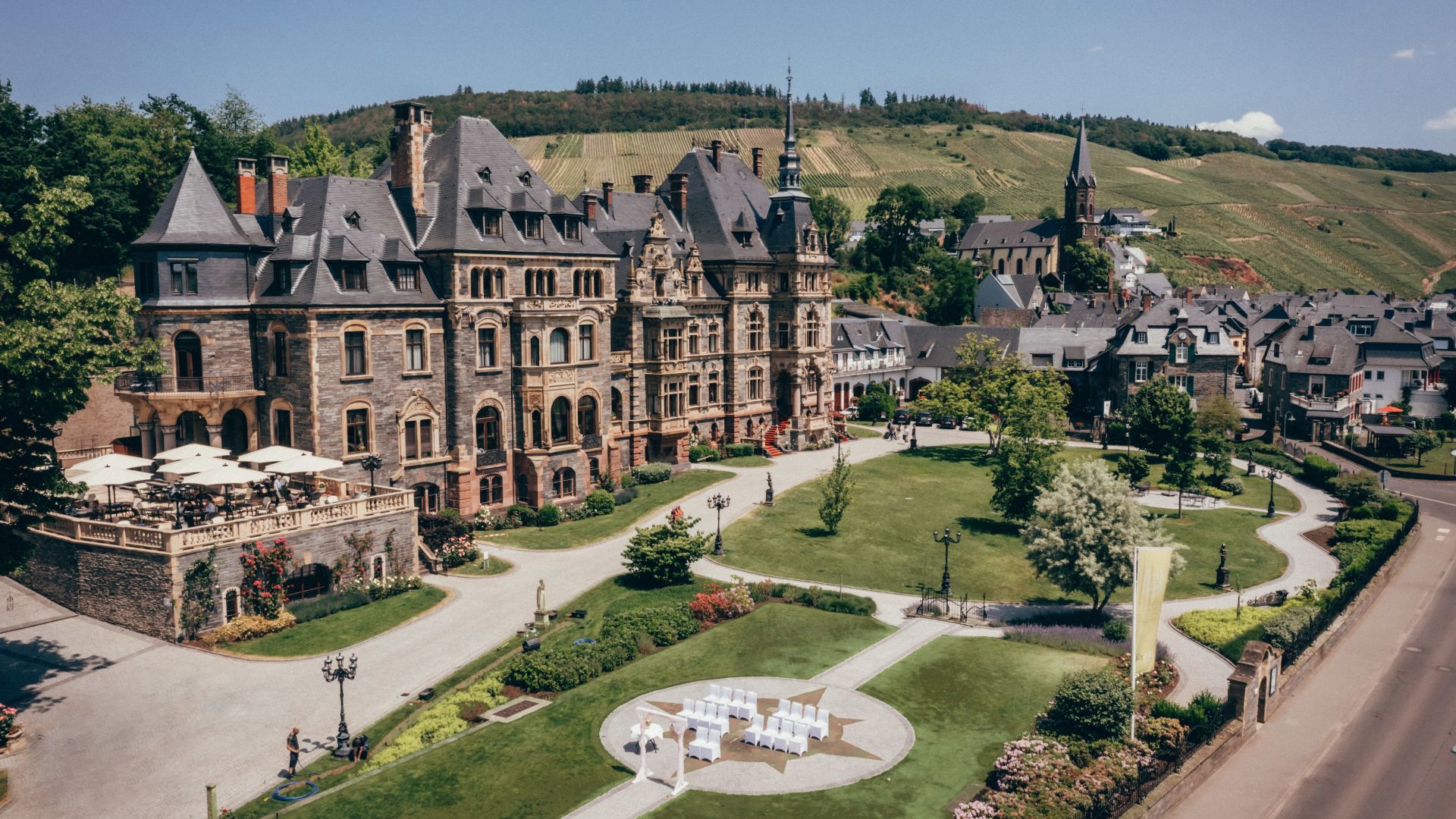 Lieser Castle
©Schloss Lieser - Autograph Collection (Julian Huke)
Lieser Castle
©Schloss Lieser - Autograph Collection (Julian Huke)
A night in a historic castle or monastery adds a special atmosphere to any honeymoon. On the Moselle, Schloss Lieser combines late 19th-century architecture with stylish rooms, a fine-dining restaurant and a spa. Between Augsburg and Donauwörth, Kloster Holzen invites couples to enjoy relaxing days amid a former Benedictine convent, peaceful gardens and a traditional monastery inn. In the Altmühltal Nature Park, Schloss Leitheim offers a secluded retreat with its Rococo palace, spa and outdoor pool overlooking the Danube. Each of these historic properties creates a unique setting for an unforgettable honeymoon.
Historic old towns for a romantic getaway
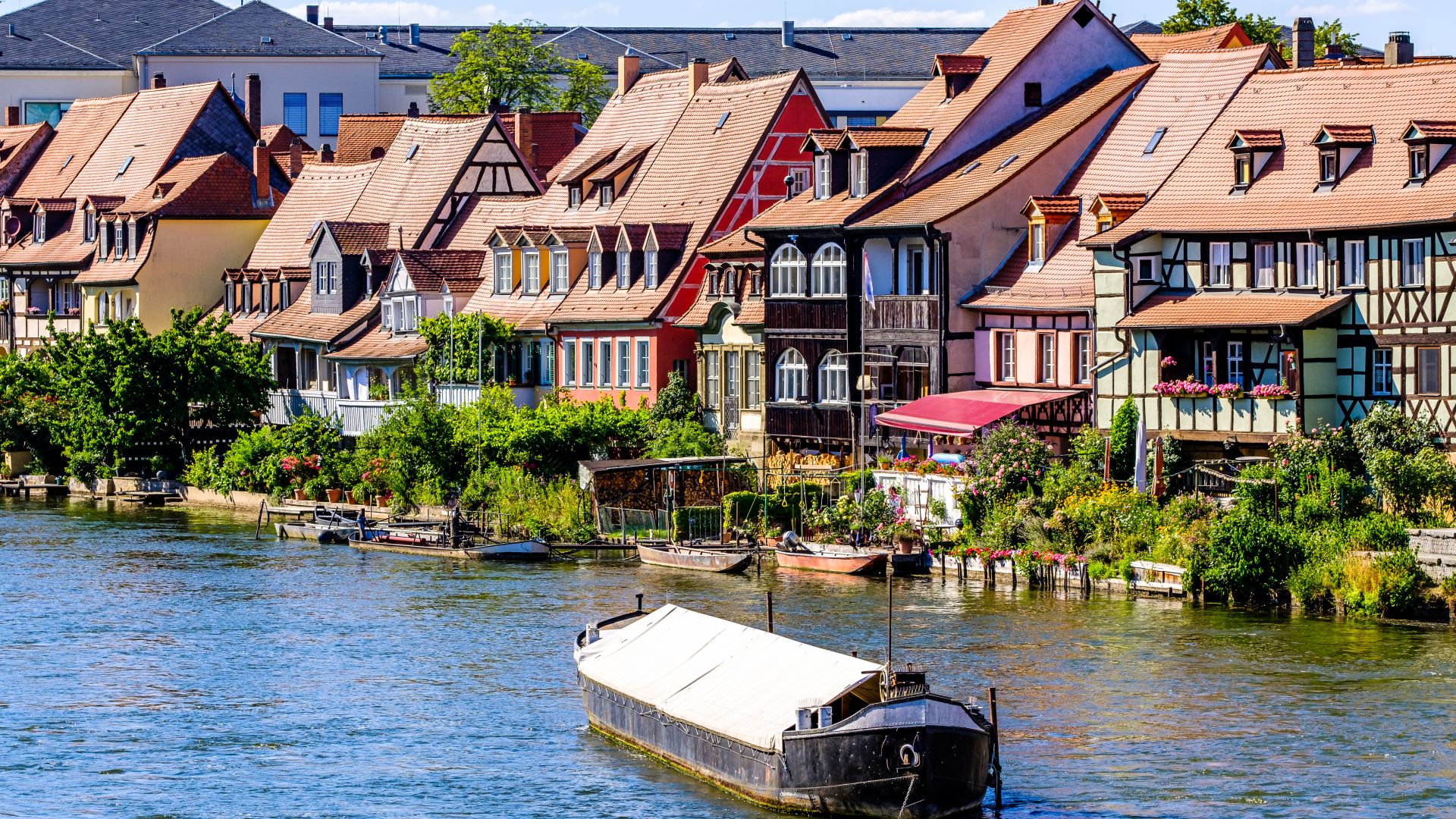 Bamberg: Old town with colourful half-timbered houses on the river Regnitz
©Adobe Stock (fotoo)
Bamberg: Old town with colourful half-timbered houses on the river Regnitz
©Adobe Stock (fotoo)
Many half-timbered old towns invite couples to discover Germany at a slower pace. In Heidelberg, narrow lanes lead from the Neckar up to the castle. The Philosophers’ Walk offers views of the Old Town, the Old Bridge and the river.
Rothenburg ob der Tauber is one of Germany’s best-known medieval towns. Its completely preserved town wall, the Plönlein square and numerous half-timbered houses provide wonderful backdrops for lasting memories. In Bamberg, the Imperial Cathedral and the former fishermen’s quarter known as Little Venice create a romantic setting along the River Regnitz. Quedlinburg is home to more than 2,000 half-timbered houses. From Castle Hill, couples can look out across the rooftops of the historic Old Town.
Between vineyards and wine cellars
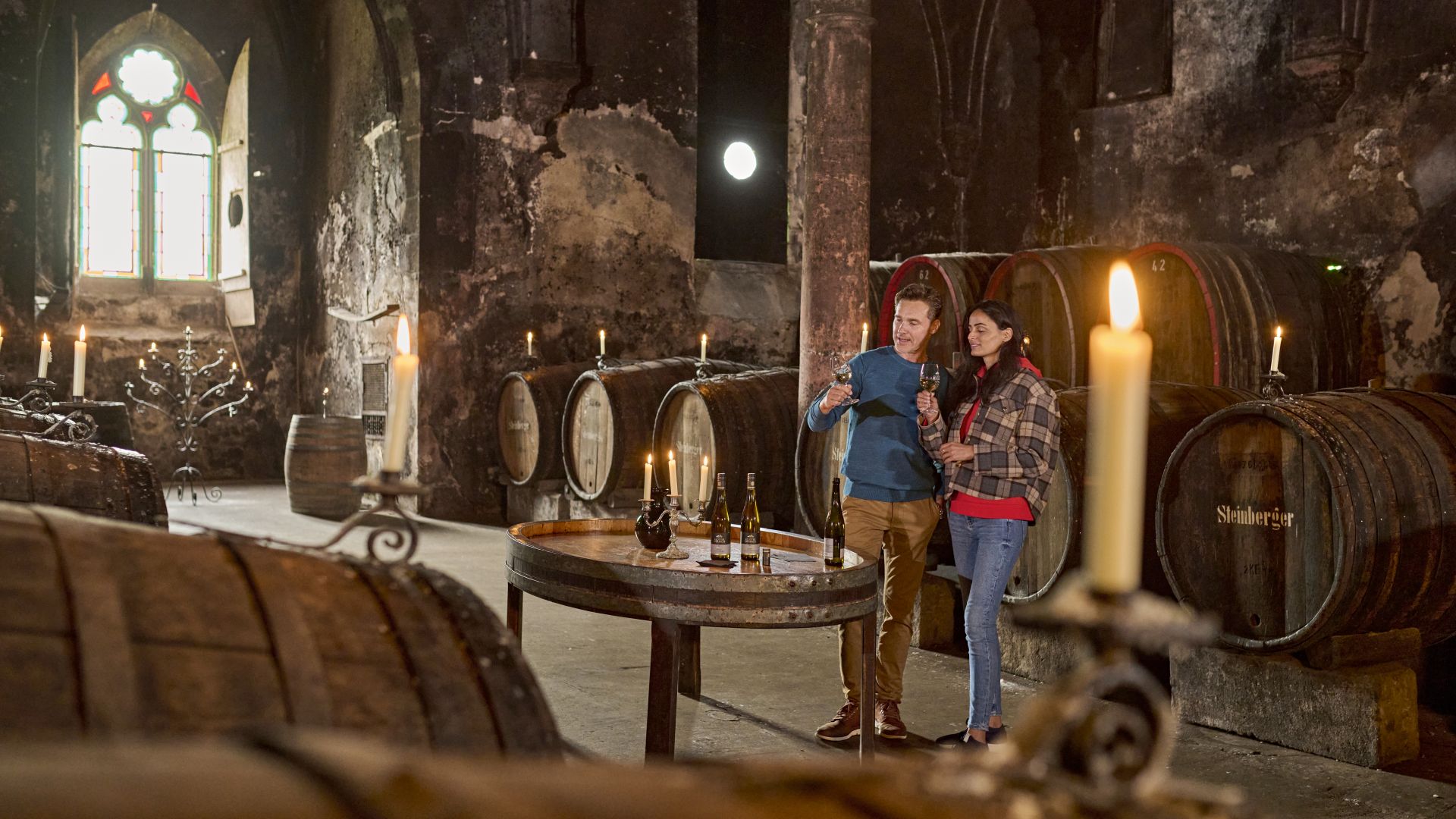 Two people at the wine tasting in Eberbach Monastery
©DZT (Jens Wegener)
Two people at the wine tasting in Eberbach Monastery
©DZT (Jens Wegener)
The Moselle and Rheingau combine vineyard landscapes, historic towns and centuries-old wine traditions. Many wineries offer accommodation and tastings in historic vaulted cellars. Wine hikes, cycle tours along rivers and through the vineyards, and regional cuisine complete the experience.
The Moselle winds its way through steep vineyards and past picturesque wine towns such as Bernkastel-Kues, Traben-Trarbach and Cochem. Romantic riverside promenades, castles high above the vine-covered slopes and welcoming seasonal wine taverns make the region a special destination for couples.
In the Rheingau, Riesling has shaped the cultural landscape for centuries. Eberbach Abbey remains one of the region’s most important wine producers. In Rüdesheim, the lively Drosselgasse meets peaceful paths through the vineyards. In many German wine growing regions, an overnight stay at a winery can be combined with a tasting of local wines.
Wellness between thermal baths and spas
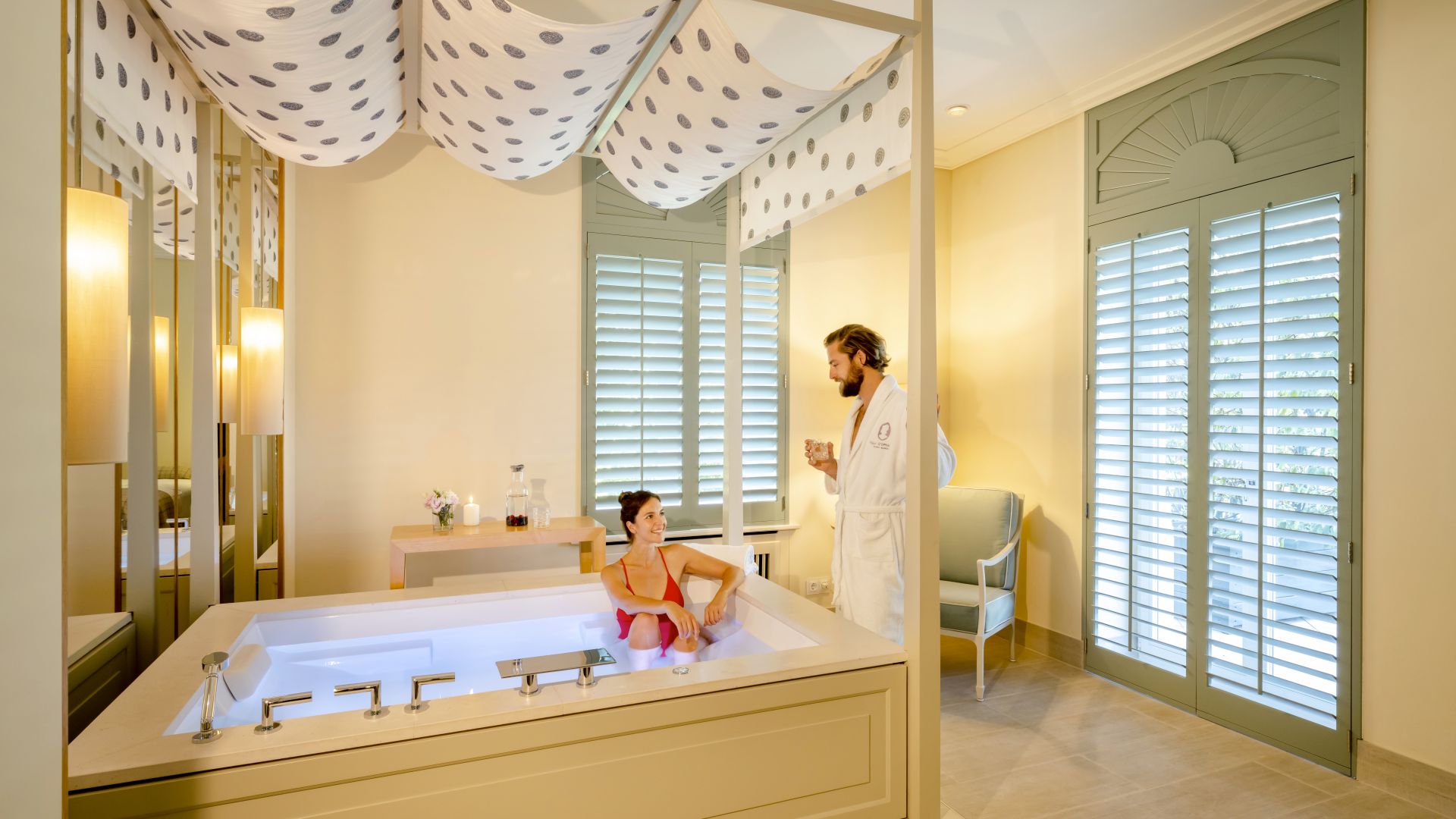 Baden-Baden: Couple in the hotel with wellness treatment
©DZT (Günter Standl)
Baden-Baden: Couple in the hotel with wellness treatment
©DZT (Günter Standl)
Germany has more than 350 officially recognised spa and health resorts, known for centuries for their thermal springs, therapeutic climates and health facilities. They combine relaxation with nature and provide an ideal setting for a restful honeymoon.
In Baden-Baden, warm thermal springs have bubbled up since Roman times. The Caracalla Spa offers indoor and outdoor thermal pools and saunas. A swim in the warm outdoor pool is especially atmospheric, surrounded by the peaceful setting of the historic parkland.
Wellness hotels in the Black Forest and around Lake Constance also invite couples to take a relaxing break. Many properties offer excellent spas and treatments for two, providing the perfect complement to days filled with cultural and outdoor experiences.
Nature experiences at the start of the day
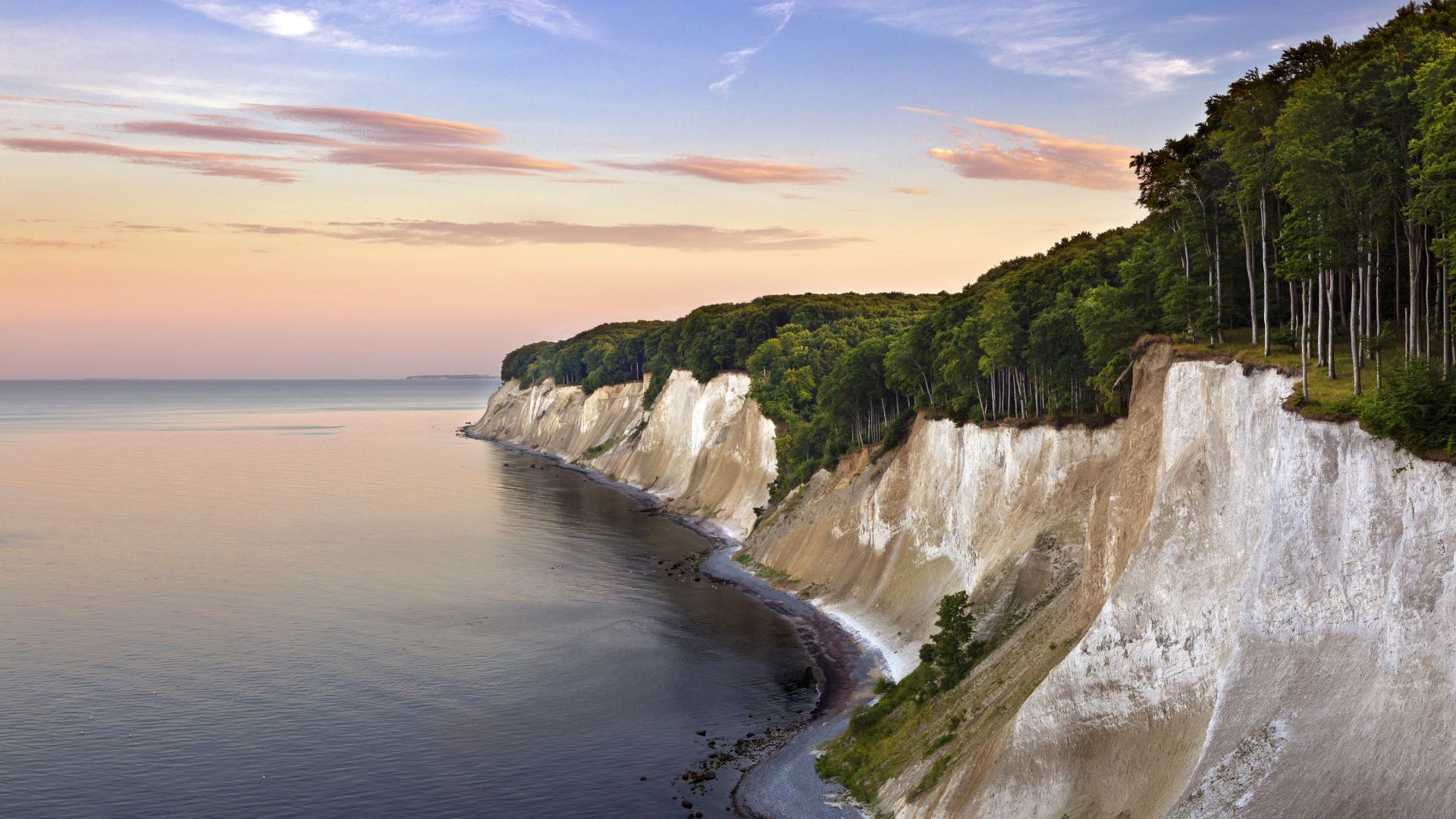 Rügen: Chalk cliffs with beech forest in Jasmund National Park
©Lookphotos (Heinz Wohner)
Rügen: Chalk cliffs with beech forest in Jasmund National Park
©Lookphotos (Heinz Wohner)
Couples who want to begin the day together will find impressive viewpoints throughout Germany’s natural landscapes. The Bastei Bridge in Saxon Switzerland rises around 200 metres above the Elbe Valley. In the early morning, wisps of mist often drift through the rocky landscape, creating an almost mystical atmosphere.
On Rügen, the chalk cliffs of the Königsstuhl rise 118 metres above the Baltic Sea. The Skywalk in Jasmund National Park offers sweeping views over the coast and sea, extending as far as Denmark on clear days. In the Bavarian Alps around Berchtesgaden, couples can take a boat trip across Lake Königssee. The path from there to Lake Obersee leads towards the Röthbach Waterfall, Germany’s highest waterfall. Special accommodation surrounded by nature creates memories that last.
FAQ – Frequently Asked Questions
When is the best time for a honeymoon in Germany?
The period from May to September is ideal for many itineraries. In September and October, the grape harvest also shapes the atmosphere in numerous wine regions.
Do you need a car to explore these regions?
Cities such as Heidelberg, Bamberg and Baden-Baden are well connected by rail. Many castle hotels along the Rhine and Moselle can also be reached without a car.
Can a wine tasting be combined with an overnight stay?
Many wineries along the Moselle and in the Rheingau combine accommodation with wine tastings, often held in historic vaulted cellars.
Which region is suitable for combining several experiences?
The Rhine and Moselle valleys combine castle hotels, wine regions and historic towns within short distances, making them ideal for a varied touring holiday.