Cities & Culture
Discover Germany’s Intangible Cultural Heritage
This text was generated with the help of AI ✨
The sound of an organ fills the air, while delicate vessels take shape from glowing glass. Intangible cultural heritage lives through people who preserve, pass on and develop traditional knowledge, skills and practices. Ten UNESCO-recognised forms of this cultural heritage can be discovered across Germany, in workshops and museums, on theatre stages and out in nature.
 Give “germany.travel” priority on Google
Meadow irrigation: waterways in the Palatinate
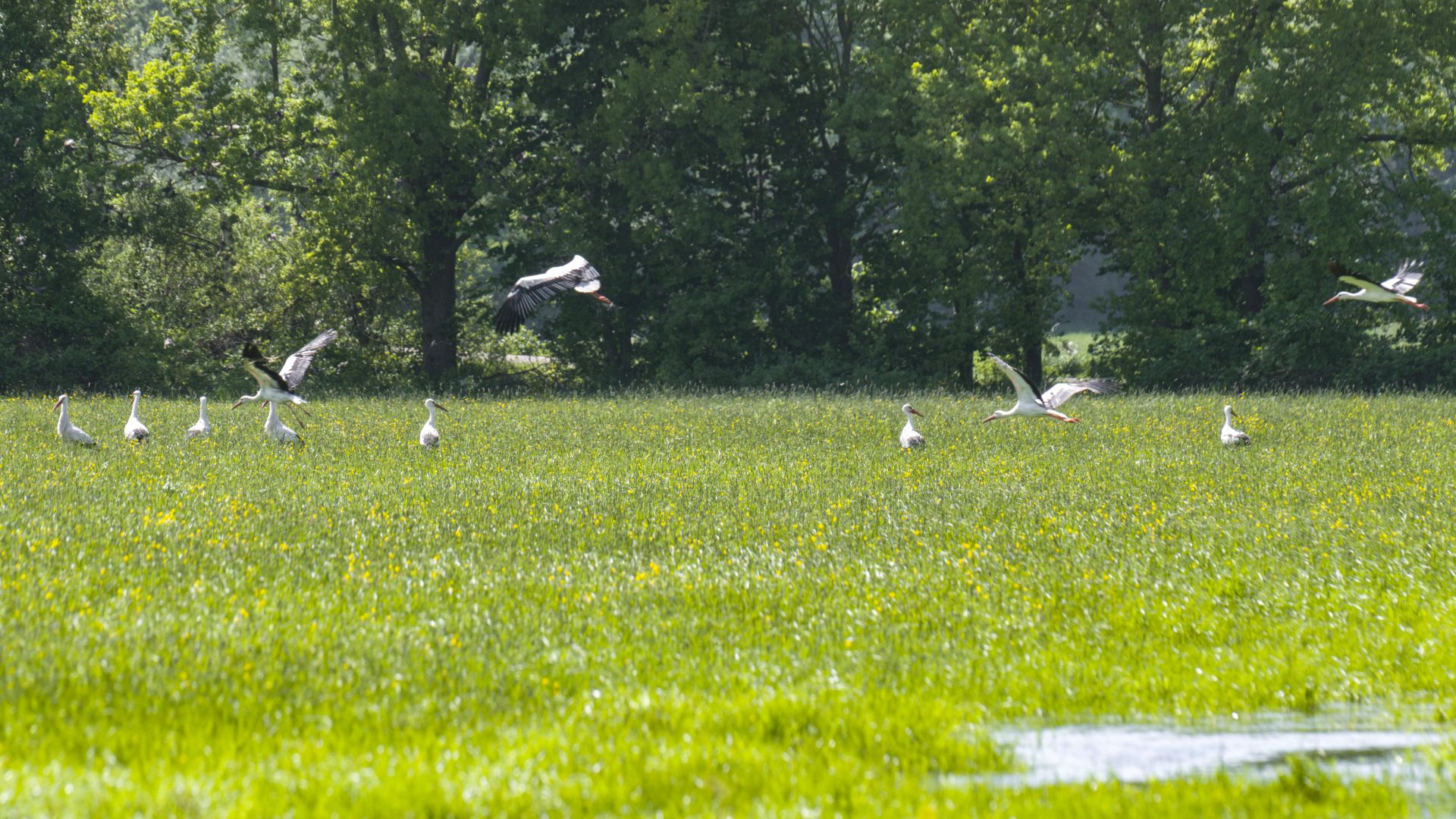 Storks on the Queich Meadows
©Südliche Weinstrasse e.V. (Thorsten Günthert)
Meadow irrigation in the Queich meadows near Offenbach in the Palatinate is a centuries-old agricultural technique. For more than 500 years, meadow irrigators have channelled water from the River Queich through a system of weirs and ditches and distributed it across the meadows. This rare traditional practice not only supports agricultural use of the meadows but also helps maintain a richly diverse cultural landscape that has become a haven for storks. Explore the Queich meadows on your own or join a guided excursion to learn more about the irrigation system and the local flora and fauna.
Organ craftsmanship and music: an art filled with sound
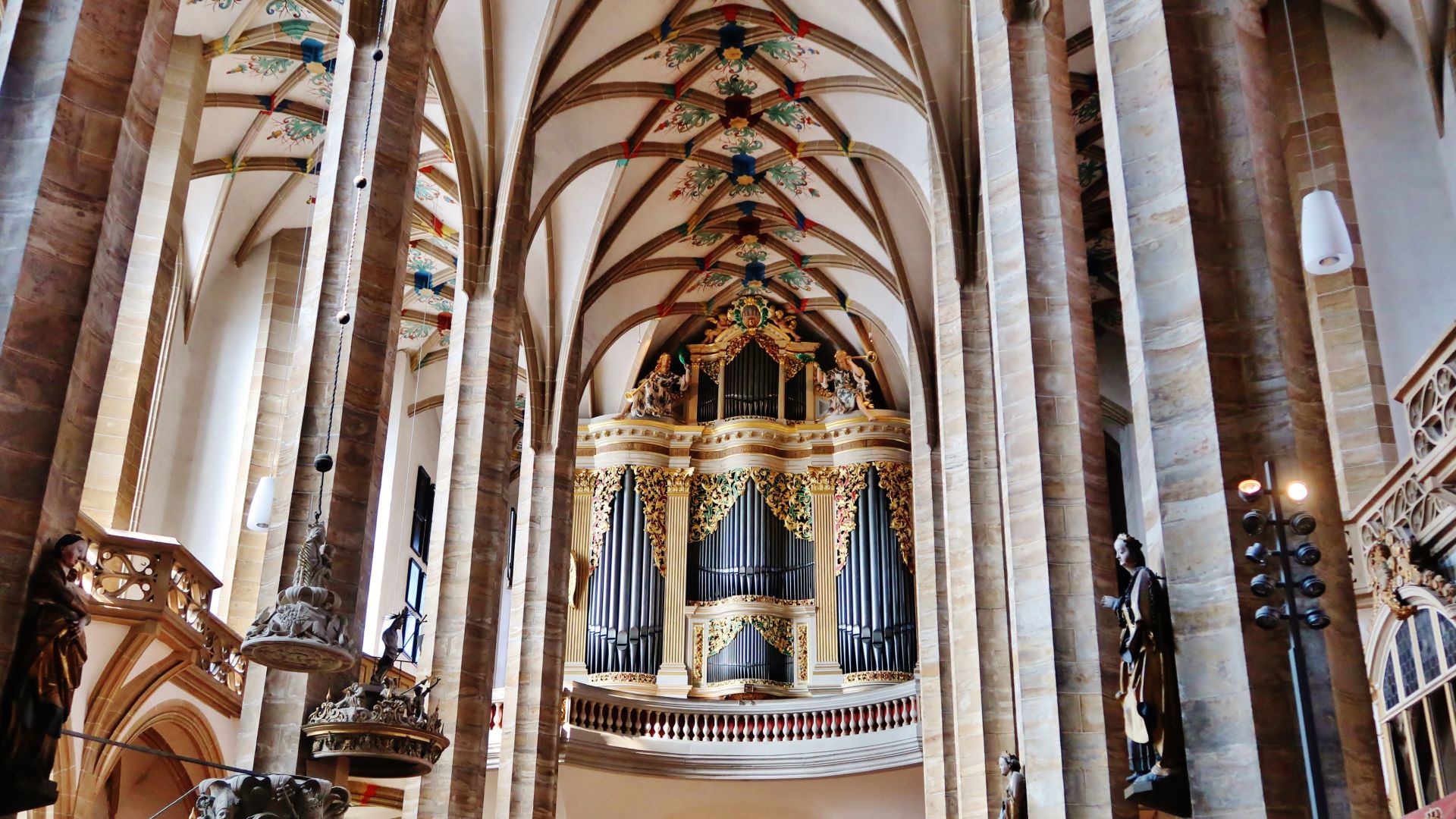 Organ at St. Mary's Cathedral in Freiberg
©AdobeStock (Franz Gerhard)
From soft flute-like notes to mighty chords, the organ has shaped Germany’s musical culture for centuries. Around 50,000 organs and 400 organ-building workshops bear witness to this living tradition. At the Silbermann House in Freiberg, Saxony, you can follow in the footsteps of the renowned Baroque organ builder Gottfried Silbermann and even try out the instrument yourself. At St Mary’s Cathedral, the world-famous Silbermann organ can be heard during the traditional evening concerts. Further insights await at the Altes Schloss Valley Organ Centre, the Mecklenburg Organ Museum in Malchow and the Borgentreich Organ Museum in the Teutoburg Forest.
Timber rafting: on the waterways of the timber trade
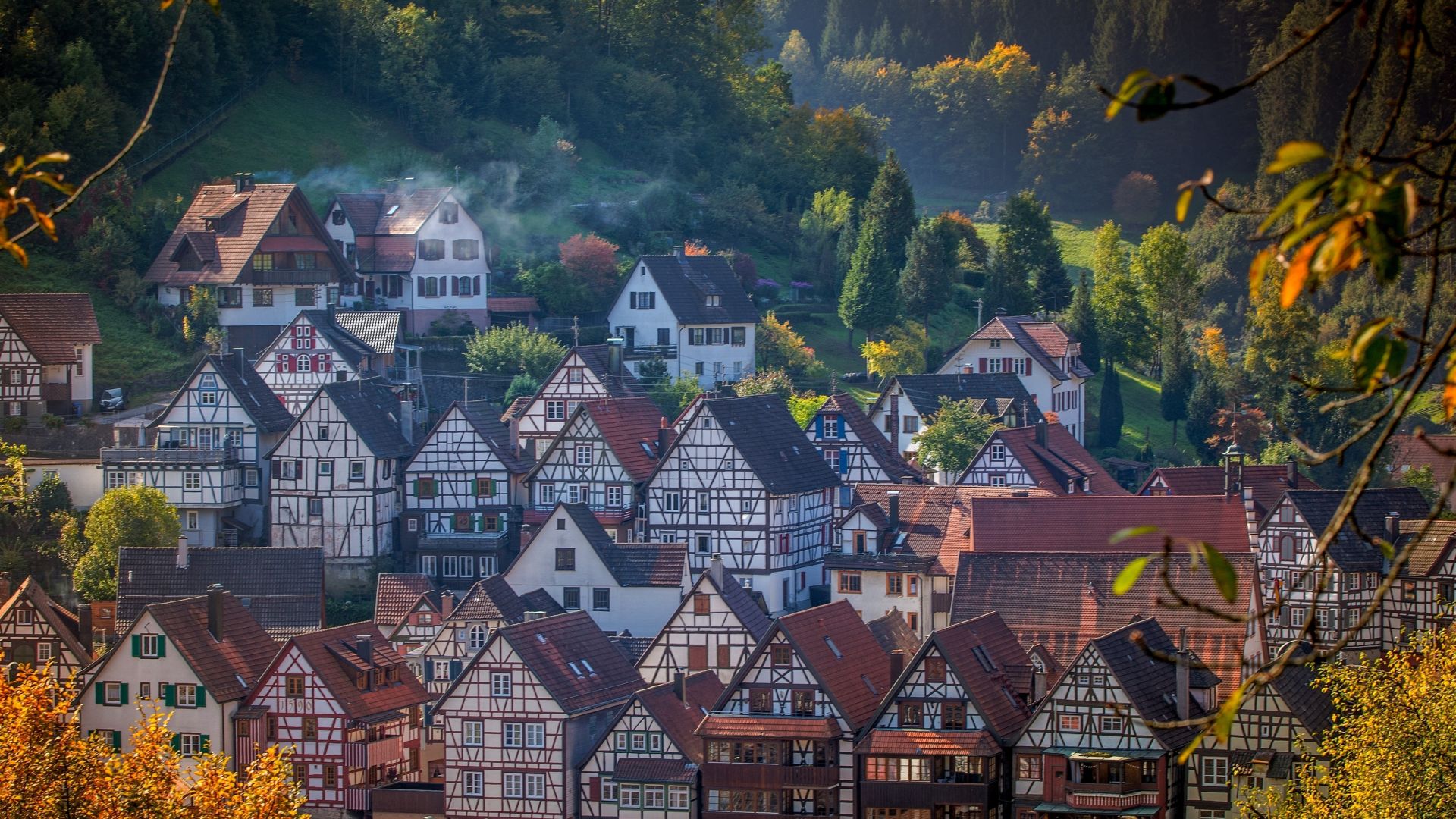 Schiltach: Town view with half-timbered houses
©AdobeStock (hermes63)
Tree trunks served as both cargo and means of transport. Bound together into rafts, they travelled along rivers as an important raw material to towns and trading centres. From the Middle Ages until the second half of the 20th century, timber rafting played a major role in the European timber trade. Commercial rafting in Germany came to an end in the 1980s, but associations and museums continue to preserve the knowledge and skills of the raftsmen. The Schüttesäge Museum in Schiltach in the Black Forest recalls the tradition of rafting on the River Kinzig. The Marktrodach Rafting Museum in the Franconian Forest offers further insights into the timber trade and the history of rafting.
Falconry: the art of hunting with birds of prey
 Bald eagle during a flight demonstration at the Falkenhof at Rosenburg Castle
©Falkenhof Schloss Rosenburg (Fr. Bühler)
For more than 3,500 years, people have hunted with trained birds of prey, an art that requires great skill and sensitivity. During flying displays at Rosenburg Castle in the Altmühl Valley, visitors can experience the fascinating interaction between falconer and bird of prey at close quarters. The castle museum takes you into the world of falconry and displays traditional equipment such as gloves and hoods. Its natural history exhibition focuses in particular on native wildlife, including wolves, lynx and bears. Further flying displays can be seen at the German Falconry Centre at Guttenberg Castle, home to more than 60 large birds of prey, and at Rabenstein Castle Falconry in Franconian Switzerland.
Cathedral workshop tradition: craftsmanship for the future
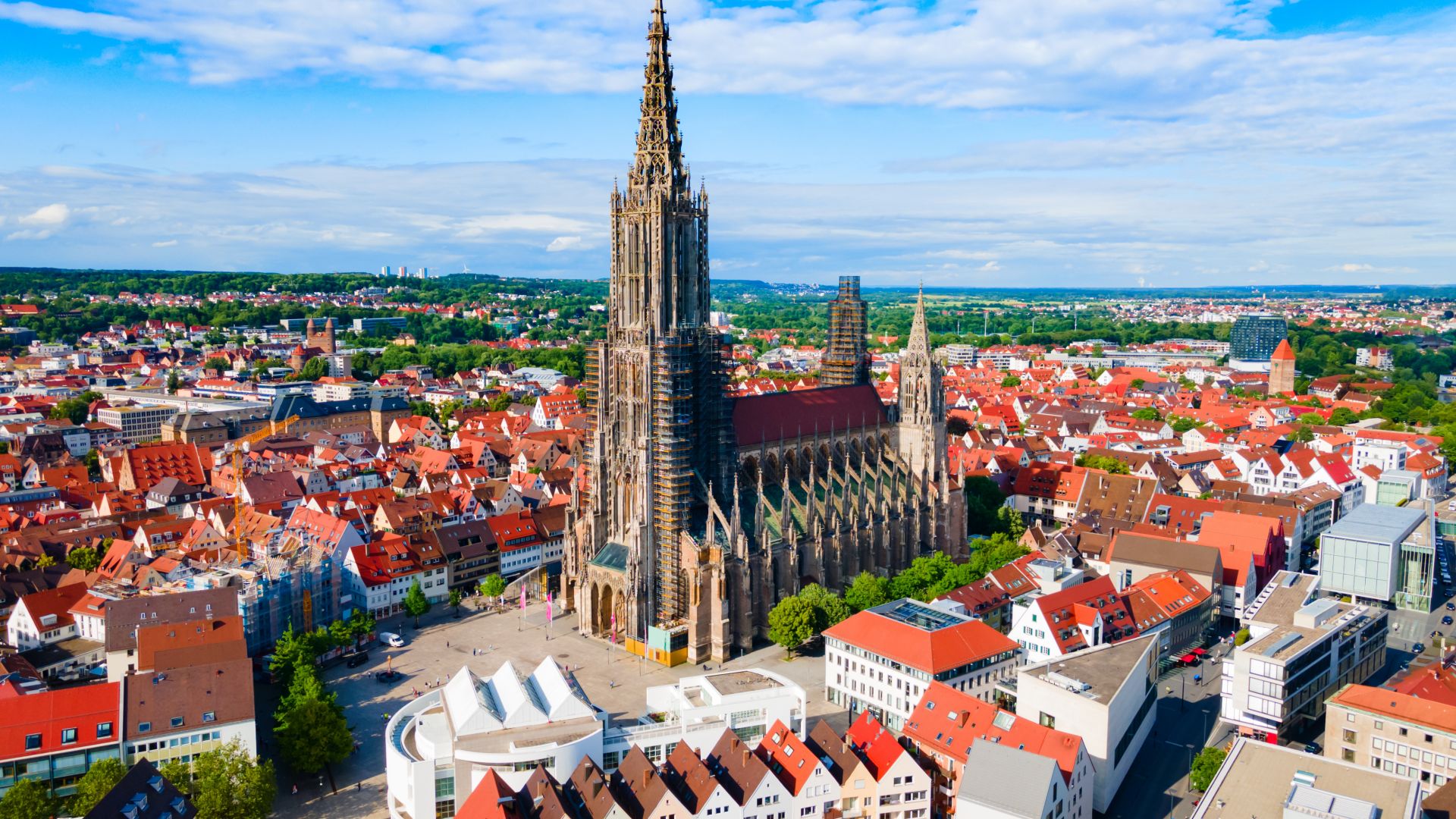 Ulm Minster
©AdobeStock (saiko3p)
The cathedral workshop tradition originated in the Middle Ages during the construction of great cathedrals and churches. To this day, stonemasons, sculptors and other craftspeople work together in these workshops to preserve important historic buildings, combining traditional techniques with modern expertise. A guided tour of the Ulm Minster workshop provides a fascinating glimpse into the workshops and the ongoing conservation work at the Minster. Other important cathedral workshops can be found in Cologne, Aachen, Regensburg, Mainz and Passau, as well as at Dresden’s Zwinger Palace. At the Children’s Cathedral Workshop at Naumburg Cathedral, visitors can try their hand at historic craft techniques.
Blueprinting: white patterns, deep blue
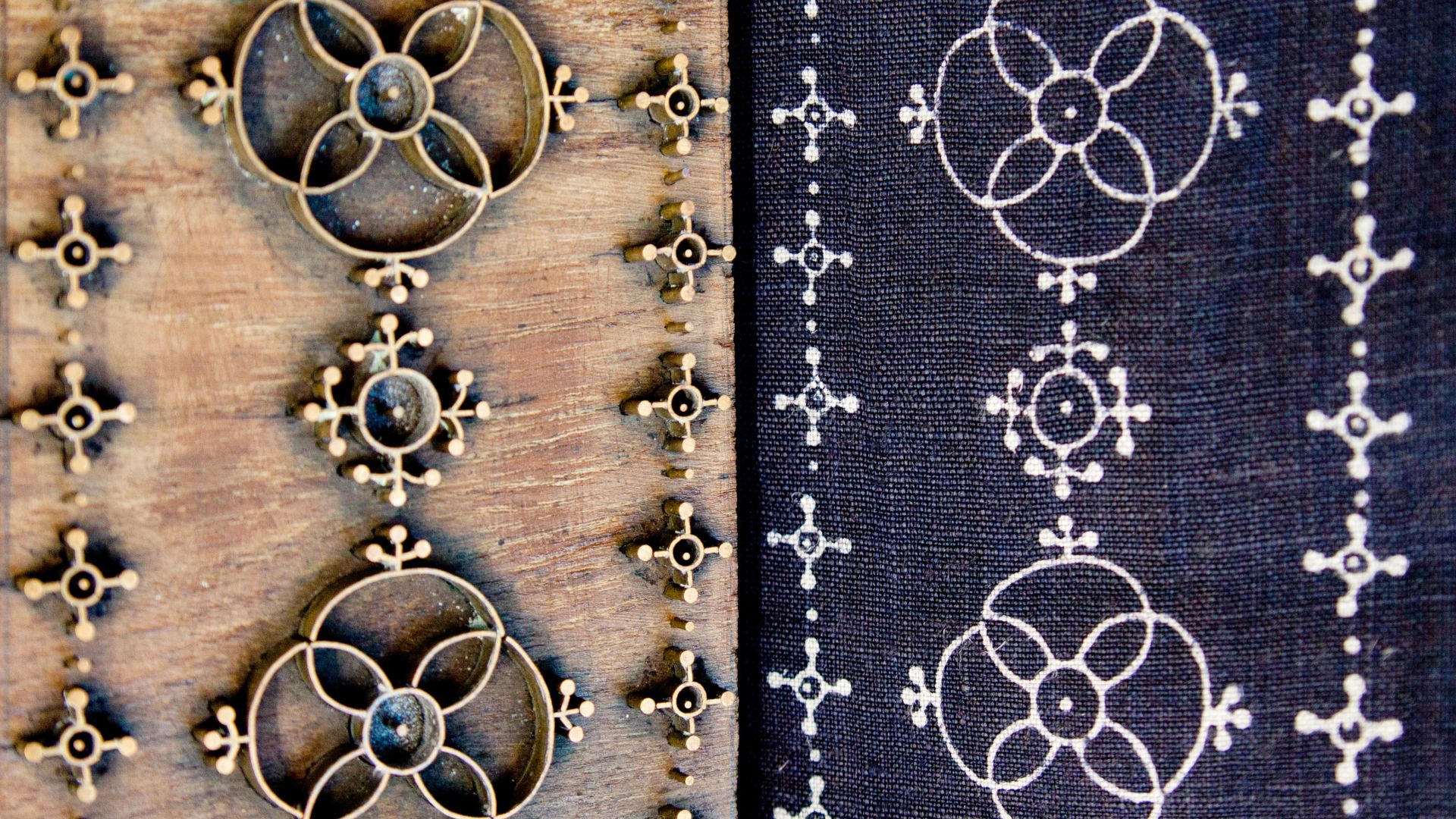 Blueprinting Process: Printing Block and Fabric
©AdobeStock (Mein Name)
In blueprinting, a resist paste is applied to sections of fabric using printing blocks, protecting them from the indigo dye. This creates white patterns on blue-dyed linen, cotton or silk. The technique reached Europe from Asia via Dutch maritime trade in the 17th century and became widespread across Central Europe in the 18th and 19th centuries. Today, only a small number of workshops in Germany preserve this traditional craft. At the Scheeßel Local History Museum near Rotenburg in Lower Saxony, the technique is still kept alive. At the Meyerhof, you can discover a blueprinting workshop where fabrics are printed and dyed using traditional methods. A permanent exhibition tells the story of this historic craft.
Glassmaking: from molten glass to finished vessel
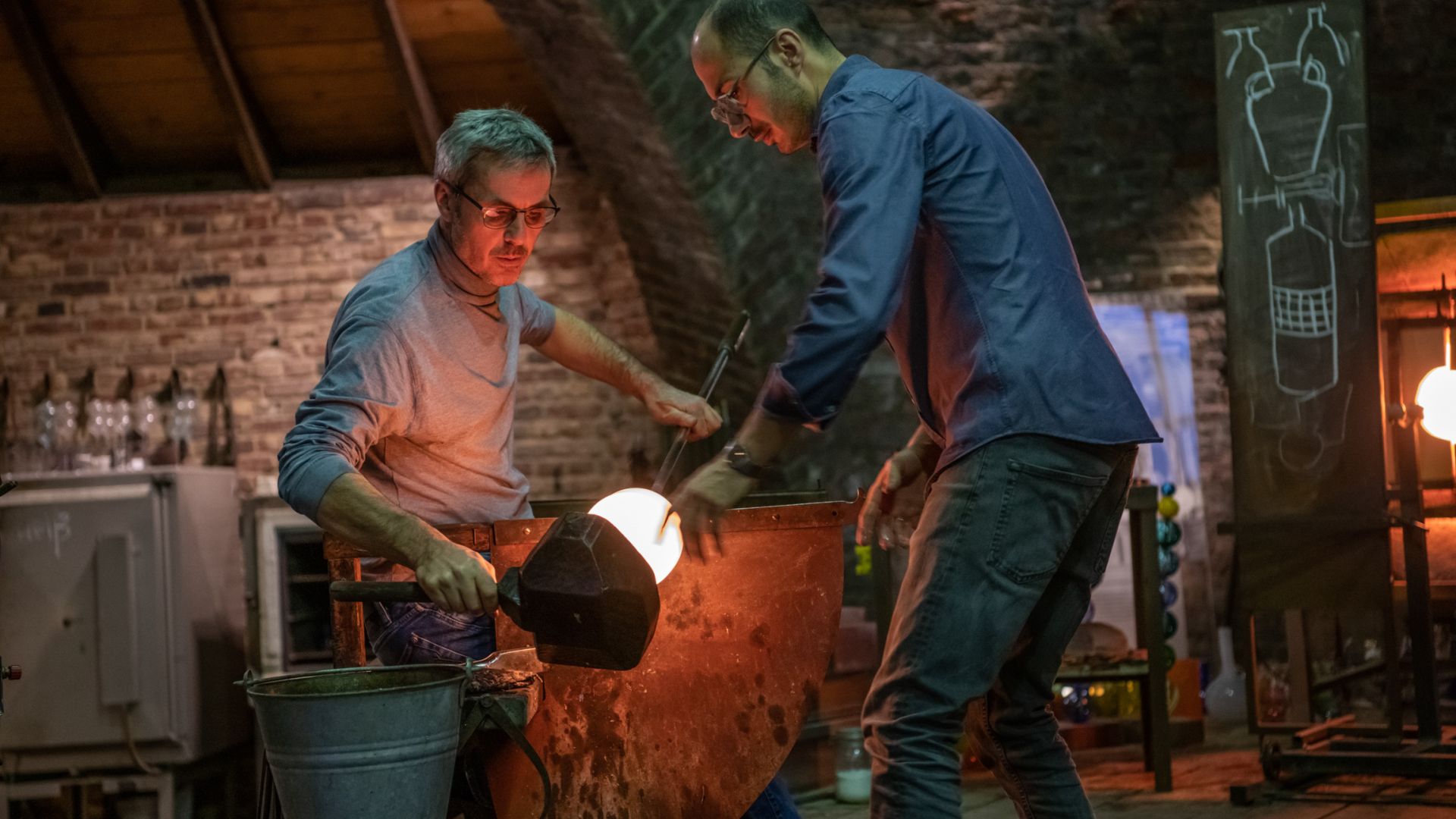 Glassmakers at work during daily production in Gernheim's historic glass tower
©LWL-Museum Glashütte Gernheim (Peter Hübbe)
Glowing glass takes shape before your eyes. At the Gernheim Glassworks Museum in Petershagen, Westphalia, glassmakers use traditional tools such as blowpipes, irons, shears and tweezers to shape the viscous glass into vessels. An engraver then refines the pieces by cutting and engraving them. These techniques, some 2,000 years old, take years of practice to master. Guided tours, workshops and live demonstrations offer fascinating insights into this traditional craft. The Baruth Glassworks Museum in Brandenburg and the Glass Museum in Weißwasser, Saxony, also explore the history and creative diversity of glassmaking.
Midwifery: knowledge for the beginning of life
Midwives support expectant mothers throughout pregnancy, childbirth and the postnatal period, helping them as they enter a new phase of life. In Göttingen, you can discover how obstetric care has changed over the centuries. The collection on the history of obstetric medicine at the Institute for Ethics and History of Medicine uses historic instruments to illustrate former practices surrounding childbirth. At the Kommern Open-Air Museum in the Eifel region, the exhibition “Birth in Rural Areas” explores midwifery in the early 20th century. It illustrates the everyday work of midwives in the Rhineland at a time when home births were still the norm.
Cooperatives: achieving more together
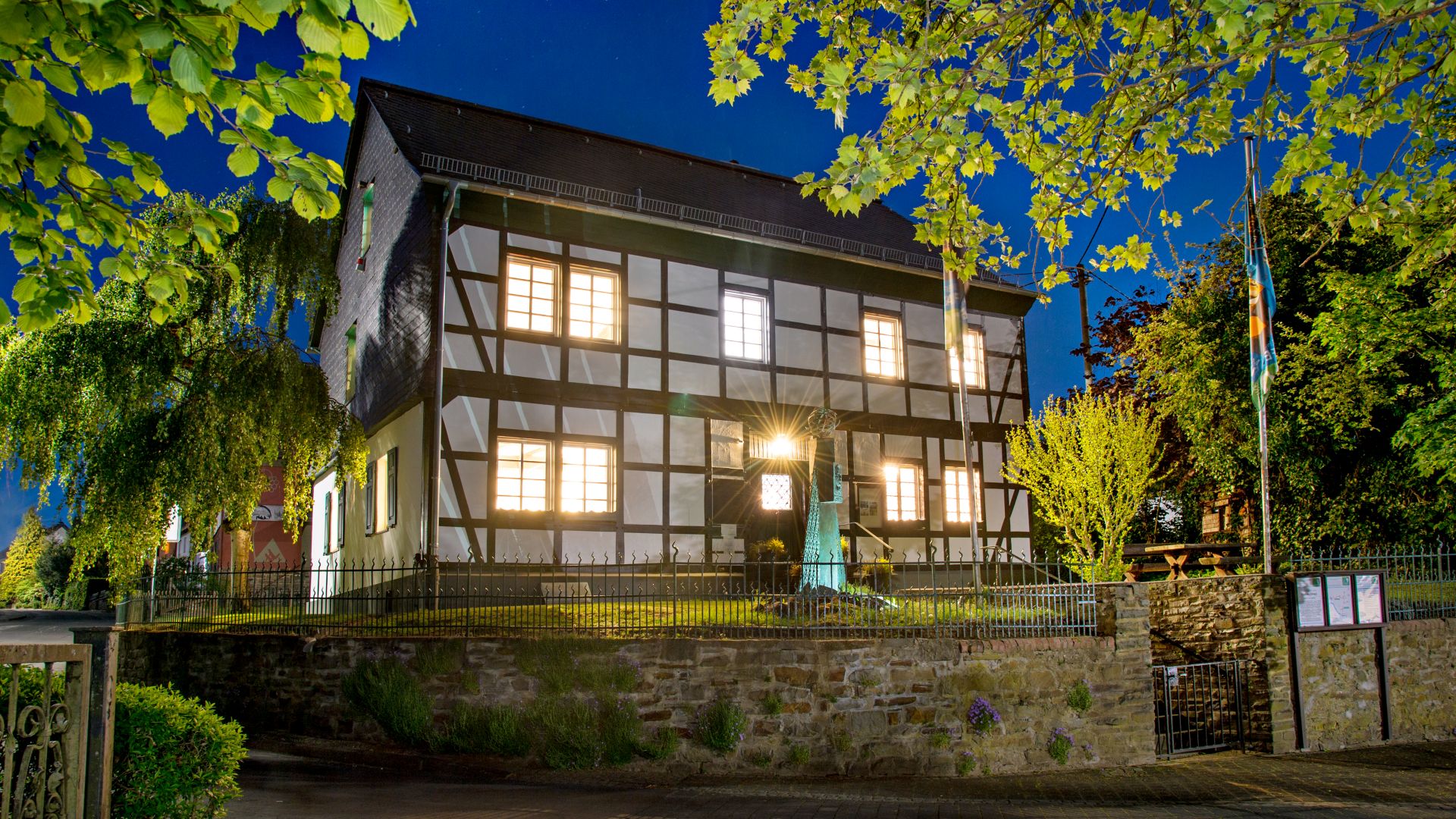 The Raiffeisen Museum in Hamm at Dusk
©Kreisverwaltung Altenkirchen (Markus Döring)
Cooperatives are associations of people who work together to pursue shared social, cultural or economic goals. The emphasis is on benefits for members rather than profit. In Germany, the cooperative movement was shaped by Friedrich Wilhelm Raiffeisen and Hermann Schulze-Delitzsch. Today, around 21 million people belong to a cooperative, for example in the housing and banking sectors. Discover the origins of the movement at the Cooperative Museum in the Schulze-Delitzsch House. The German Raiffeisen Museum in Hamm presents Raiffeisen’s life and work and brings the significance of his ideas vividly to life.
Modern dance: emotions in motion
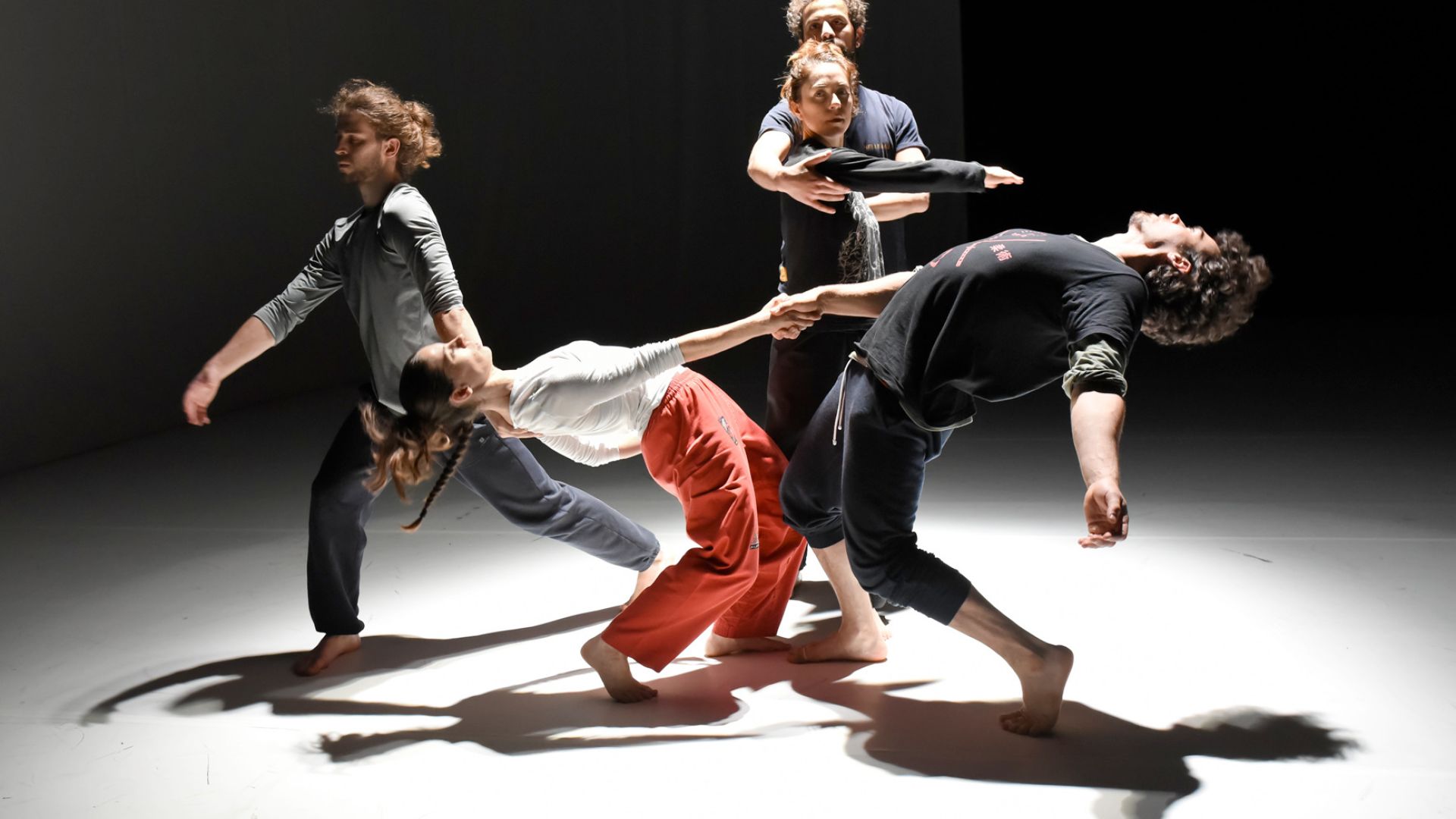 Potsdam: Tanztage
©Fabrik Potsdam (Sandra Morgenstern)
How does longing move? Modern dance gives emotions and experiences a language of movement all their own. Emerging from the Expressionist dance movement of the early 20th century, it places the individual and their personal vocabulary of movement centre stage. One trail leads to the Tanztheater Wuppertal Pina Bausch. The choreographer combined dance, theatre and everyday gestures to create an unmistakable stage language that lives on in performances by her ensemble. The Dance Museum of the German Dance Archive Cologne offers further insights into the past and present of dance through changing exhibitions.
FAQ – Frequently Asked Questions
What is intangible cultural heritage?
Intangible cultural heritage encompasses living practices, knowledge and skills that people pass on and continue to develop. These include traditional crafts, music, dance and social practices. At its heart are people and their skills. Instruments, objects, tools and places may form part of this heritage, but it is the living practice itself that is essential.
How does it differ from UNESCO World Heritage?
UNESCO World Heritage refers to selected cultural and natural sites. Intangible cultural heritage, by contrast, recognises living cultural practices, the knowledge associated with them and the way this knowledge is passed on. A workshop or museum is therefore not automatically a UNESCO World Heritage Site simply because it presents or preserves a recognised cultural practice. The places and institutions featured here offer different ways to discover and experience this living heritage.
Where can visitors try these traditions for themselves?
Some of the featured attractions offer hands-on activities. At the Silbermann House in Freiberg, for example, visitors can play an organ model themselves, operate the bellows and pull out the stops. At the KinderDomBauhütte at Naumburg Cathedral, children can try their hand at a variety of traditional crafts, such as carving a relief or cutting, breaking and grinding glass in the glass workshop. These activities are particularly suitable for children and families.
When can visitors see the meadow irrigation in action?
The Queich meadows are irrigated section by section in spring and summer, and only on certain days. If you would like to see this traditional technique in action, check the local irrigation schedule before travelling. At other times, the circular walking trail still provides insights into the system, with information panels explaining how the ditches and weirs work.
Do visits and guided tours need to be booked in advance?
That depends on the attraction. Group tours of the Ulm Minster workshop are available by arrangement on selected dates. Guided visits to the collection in Göttingen also require advance arrangements. Before visiting, check opening hours, available tour languages and accessibility with the individual provider, particularly for historic workshops and buildings.