Cities & Culture
Philipp Otto Runge: In the Footsteps of Romanticism
This text was generated with the help of AI ✨
From the Baltic coast of Western Pomerania to Hamburg and Weimar, the traces of Philipp Otto Runge can be found across northern Germany. On the occasion of his 250th birthday, the Runge Summer 2027 invites visitors to rediscover this multifaceted Romantic artist as a painter, poet, and pioneering theorist of color.
 Give “germany.travel” priority on Google
Wolgast: Where Runge’s Story Begins
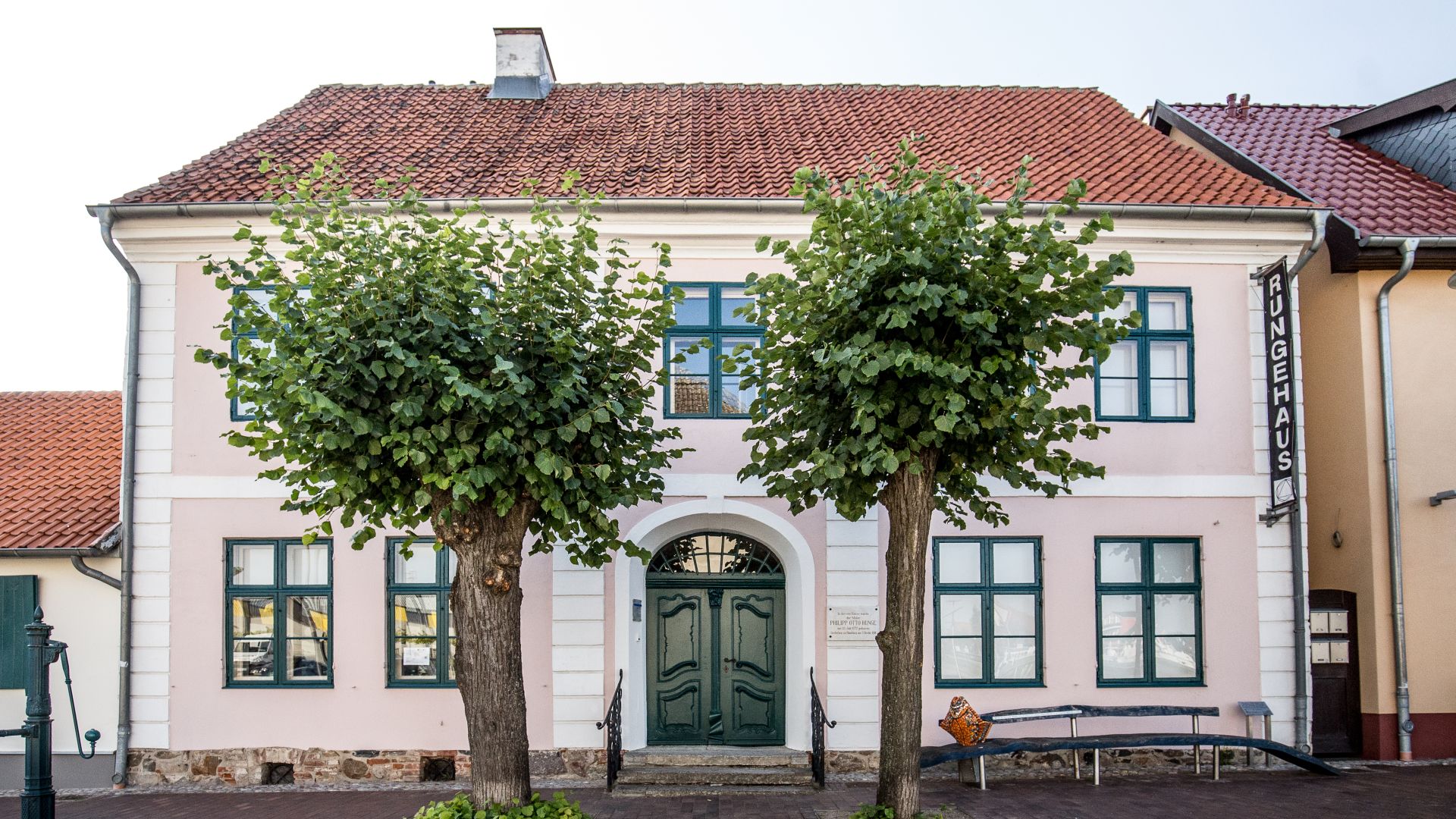 Rungehaus in Wolgast
©MV-T (Krauss)
Rungehaus in Wolgast
©MV-T (Krauss)
Philipp Otto Runge was born in 1777 in the Western Pomeranian port town of Wolgast. Although his paintings received little recognition during his lifetime and he died of tuberculosis at the age of just 33, he is now regarded, alongside Caspar David Friedrich, as one of the most important artists of the Romantic movement.
While his major original works can primarily be seen at the Hamburger Kunsthalle, the Runge House Museum, located near the harbor, tells the story of his life and work. It highlights the remarkable breadth of his creativity: he painted and drew, produced paper cuttings and playing cards, and developed his innovative three-dimensional color sphere. Runge also wrote the fairy tales The Fisherman and His Wife and The Juniper Tree, which were later included in the famous collection of the Brothers Grimm.
For Runge Summer 2027, Wolgast will present its most famous son as a painter, poet, and scientist. Planned events include exhibitions, festivals, and an academic conference. The Runge House, featuring the new traveling exhibition “And Give My Regards from Time to Time…” about Caspar David Friedrich, Philipp Otto Runge, and other artists associated with Romanticism, will serve as a central venue.
From here, Wolgast can easily be explored on foot. In the historic old town, the “Coffee Mill” City History Museum, St. Peter’s Brick Basilica, and the Peene Harbor are all within a short walking distance of one another. Spanning the Peene Strait is the “Blue Wonder,” a distinctive bascule bridge that provides both road and rail access to the neighboring sunny island of Usedom.
Cycling Through North German Romanticism
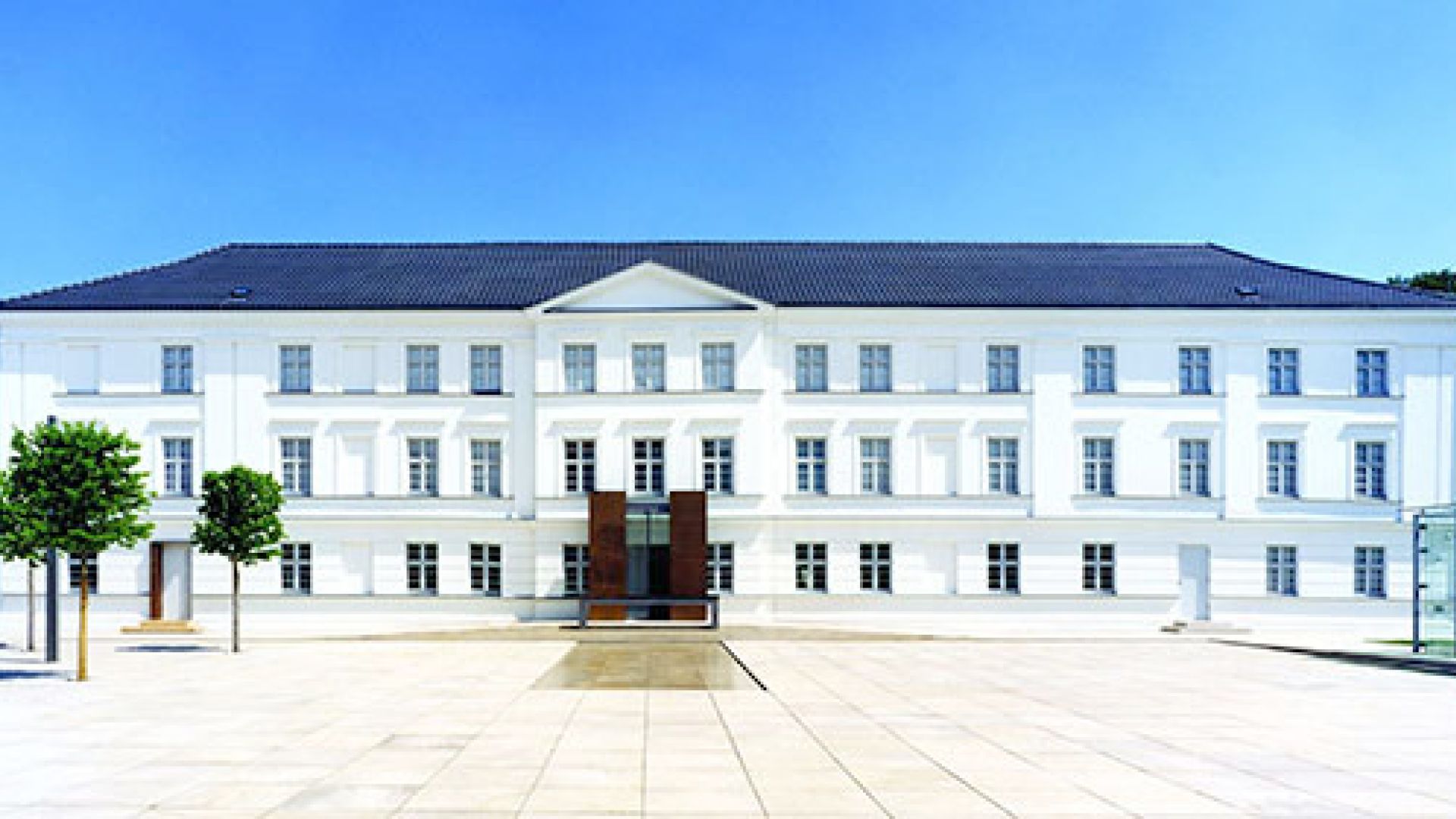 Greifswald: Exterior view Pomeranian State Museum
©Pommersches Landesmuseum (Armin Wenzel)
Greifswald: Exterior view Pomeranian State Museum
©Pommersches Landesmuseum (Armin Wenzel)
The Route of North German Romanticism connects Wolgast with other significant sites of art history in Western Pomerania. It passes through Greifswald and Stralsund to the island of Rügen, following the places where Runge, Caspar David Friedrich, and their contemporaries lived and worked.
At the Pomeranian State Museum in Greifswald, visitors can see Runge’s portrait of his niece Wilhelmine Helwig. The Cultural History Museum of Stralsund preserves additional paintings and graphic works by Runge. The cycling route thus combines important works of Romantic art with the coastal landscapes of Western Pomerania and the region’s magnificent Brick Gothic historic centers.
Hamburg: Masterpieces and Formative Years
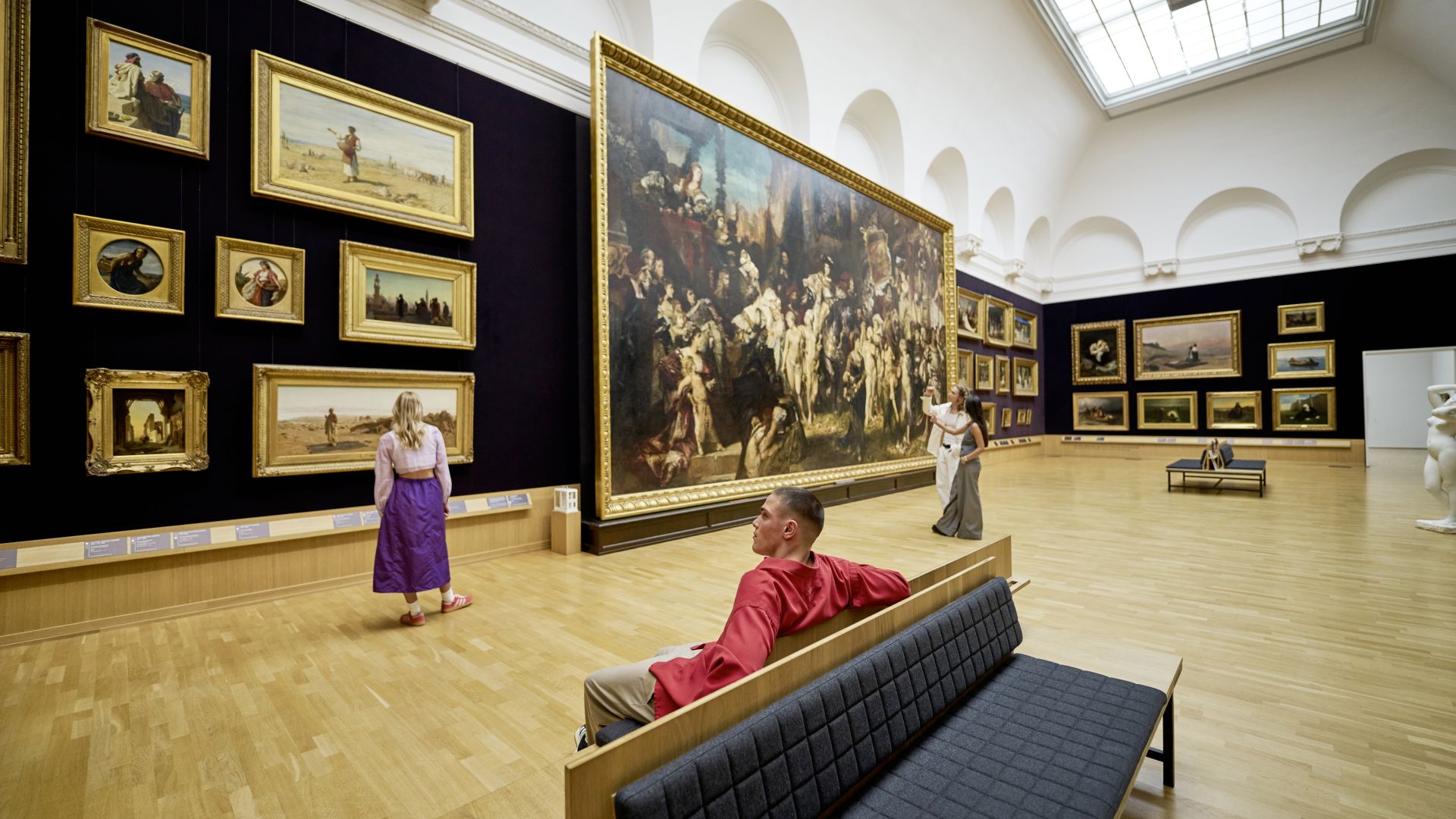 Visit to the Hamburg Kunsthalle
©Mediaserver Hamburg (Christian Brandes)
Visit to the Hamburg Kunsthalle
©Mediaserver Hamburg (Christian Brandes)
Hamburg became Runge’s most important place of residence and artistic activity. Here he lived with his wife Pauline, whom he had married in Dresden in 1804, and created many of his portraits.
The Hamburger Kunsthalle holds the world’s most significant collection of Runge’s works, including masterpieces such as The Hülsenbeck Children, Pauline in a Green Dress, and Morning. From 24 September 2027 to 30 January 2028, the museum will dedicate the exhibition “Romantic. Radical. Modern.” to his work.
In Hamburg’s city center, five additional renowned institutions forming the Hamburg Art Mile invite visitors on a journey through art history. All six museums are located between the Town Hall Square, the Inner Alster Lake, and the UNESCO World Heritage-listed Speicherstadt district, making them easily accessible on foot.
At Ohlsdorf Cemetery, Hamburg’s most important burial ground and the final resting place of many prominent figures, an honorary grave commemorates Runge and his wife.
Weimar: In Dialogue with Goethe
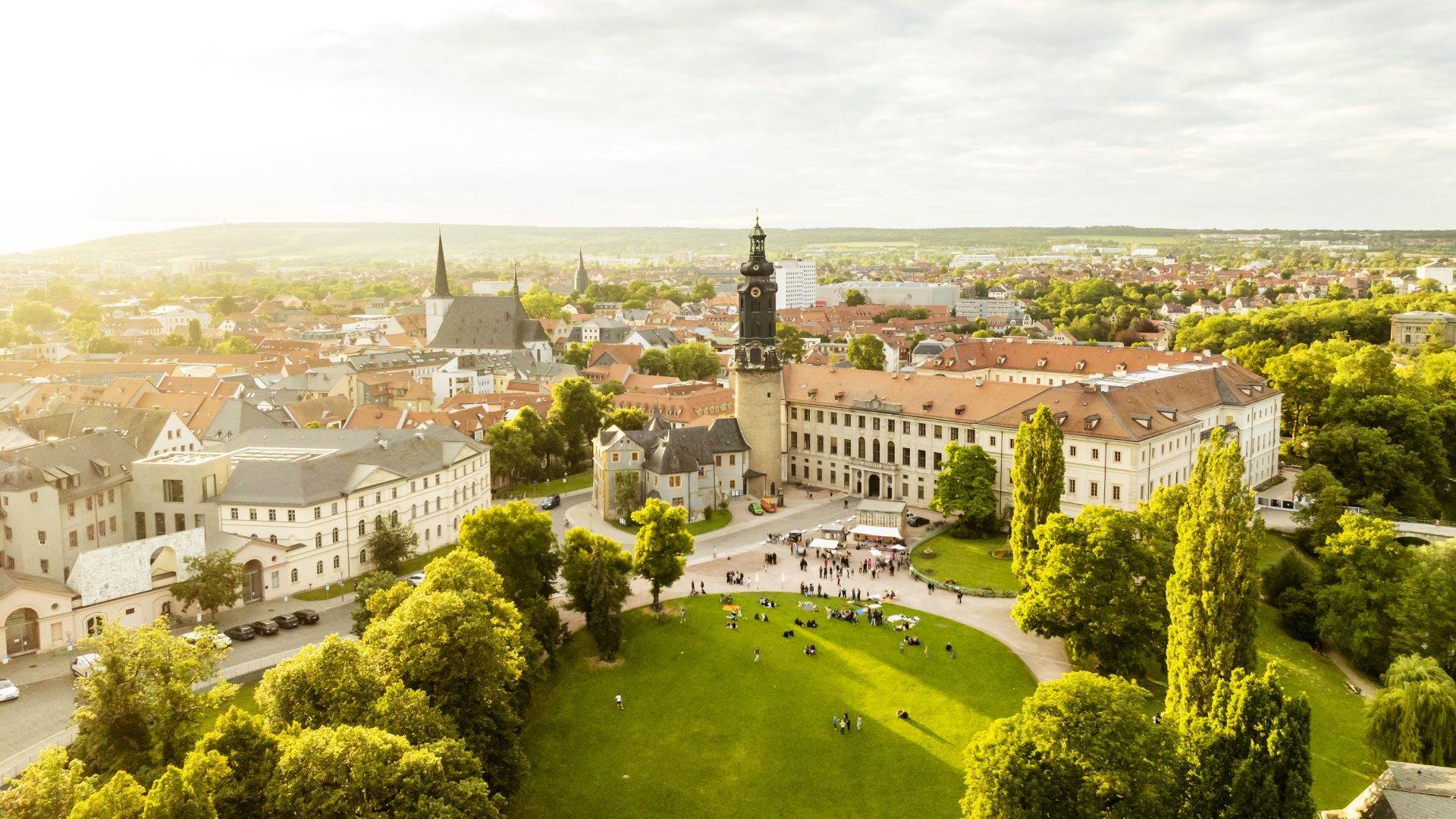 Weimar
©Getty Images (taikrixel)
Weimar
©Getty Images (taikrixel)
In 1803, Philipp Otto Runge met Johann Wolfgang von Goethe in Weimar. Their subsequent exchange of ideas on art, nature, and the theory of colors developed into a correspondence that continued until Runge’s death.
Today, this intellectual connection is commemorated by the Goethe National Museum and the collections of the Classical Foundation Weimar. Among their holdings are previously unknown paper cuttings as well as The Little Perthes, Runge’s 1805 portrait of the young Luise Perthes. These works, together with the correspondence, reveal how closely Runge linked his artistic practice with theoretical reflections on the nature, effect, and meaning of color.
Philipp Otto Runge: A Visionary of Romanticism
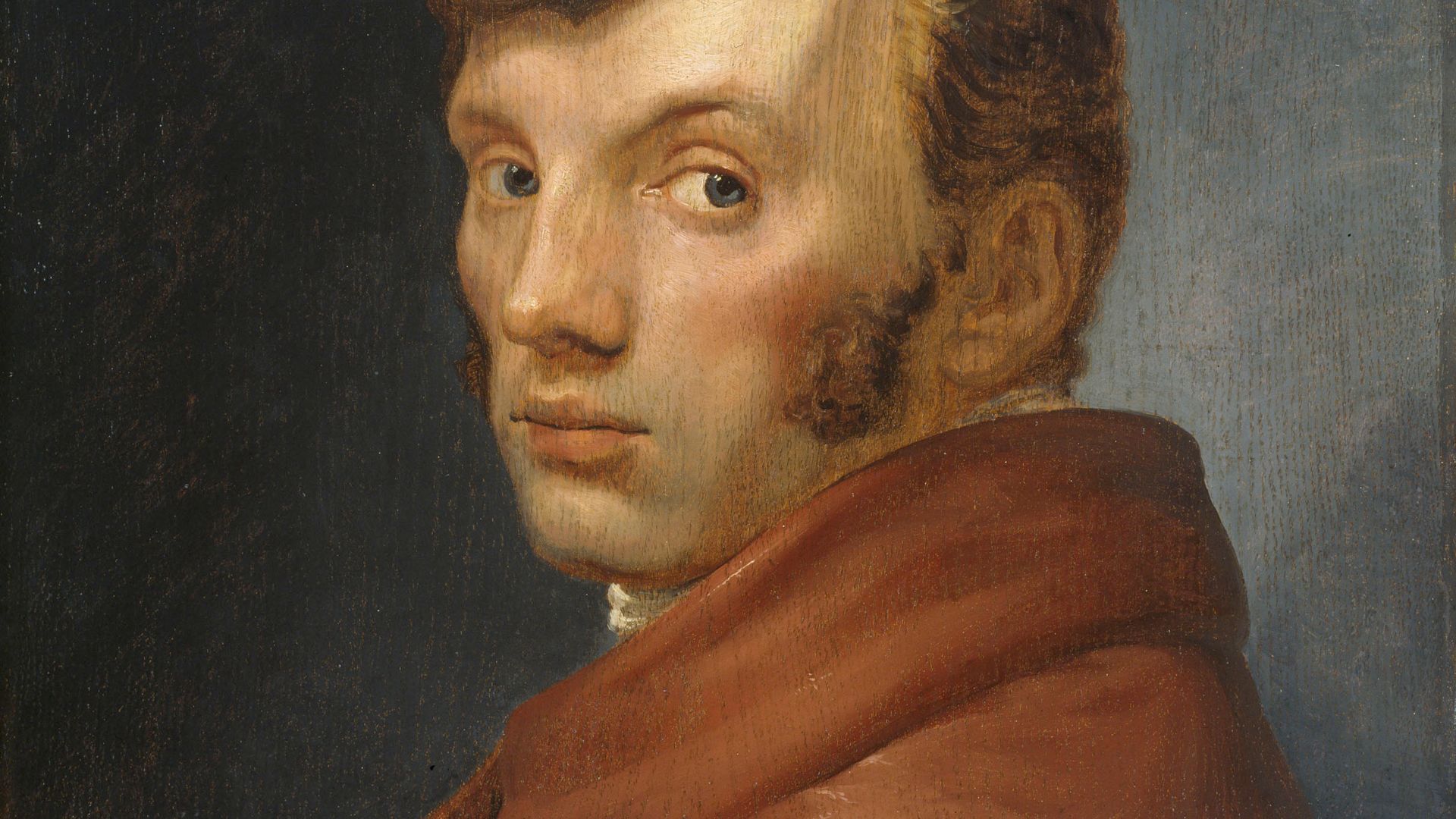 Self-Portrait by Philipp Otto Runge
©Hamburger Kunsthalle (Philipp Otto Runge)
Self-Portrait by Philipp Otto Runge
©Hamburger Kunsthalle (Philipp Otto Runge)
Philipp Otto Runge is considered one of the leading painters of Romanticism. For him, art was far more than a representation of the visible world. Through color and light, he sought to make emotions, longing, and inner experience tangible. In his work, he brought together painting, color theory, and perception to create a unique Romantic vision.
Those who follow in his footsteps discover an artist whose questions about the power of images and the nature of human perception remain strikingly relevant to this day.
FAQ – Frequently Asked Questions
Where does the Runge Summer take place?
The main location is Wolgast, home to the Runge House Museum.
Where can original works by Runge be seen?
Primarily in Hamburg, but also in Greifswald, Stralsund, and Weimar.
Which works are particularly well known?
The Hülsenbeck Children, Morning, and Runge’s self-portraits are among his most famous works.
What role did Goethe play?
Runge and Goethe maintained an intensive exchange on art, the symbolism of color, and color theory.
Can the trip be combined with sites connected to Caspar David Friedrich?
Yes. The Route of North German Romanticism links important places associated with both artists.