Experience & Enjoy
Germany has a (wine) queen!
Simply travel to one wine-growing region after another and follow your preferences for taste and setting.
 Give “germany.travel” priority on Google
Every year, a Wine Queen and two Princesses are elected in Germany. They represent the thirteen wine-growing regions around the world. An exciting time for the trio! We wanted to learn more and asked Anna Zenz, German Wine Queen 2025/2026, a few questions.
What do you think defines the unique character of Germany’s wine regions, and why is it worth visiting them?
The special character of Germany’s wine regions lies primarily in the fact that each of the 13 German wine-growing regions has its own distinct identity. Landscape, climate, soils, and grape varieties shape each region in different ways, making them unique. At the same time, visitors can expect enormous diversity: from steep vineyards in river valleys to rolling hills and sun-drenched regions in the south. These diverse landscapes are perfect for exploring—whether by hiking, biking, or on a leisurely tour through the wine villages.
A great example is Franconia with its so-called “Terroir-F” points. These viewpoints make the unique features of the landscape and soils particularly vivid and tangible for visitors. Along the Ahr, on the other hand, Pinot Noir takes center stage: on the steep slate slopes, it finds nearly perfect growing conditions and produces wines with strong character. Baden is also a fascinating example—the warmer climate here yields particularly robust Burgundy-style wines. At the same time, the landscape, with its vineyards, villages, and views, is incredibly diverse.
Another characteristic common to many German wine regions is the warm hospitality found at every winery. Winemakers take the time to assist with wine selection and are happy to guide visitors through the range. This personal atmosphere makes a visit particularly authentic and enjoyable.
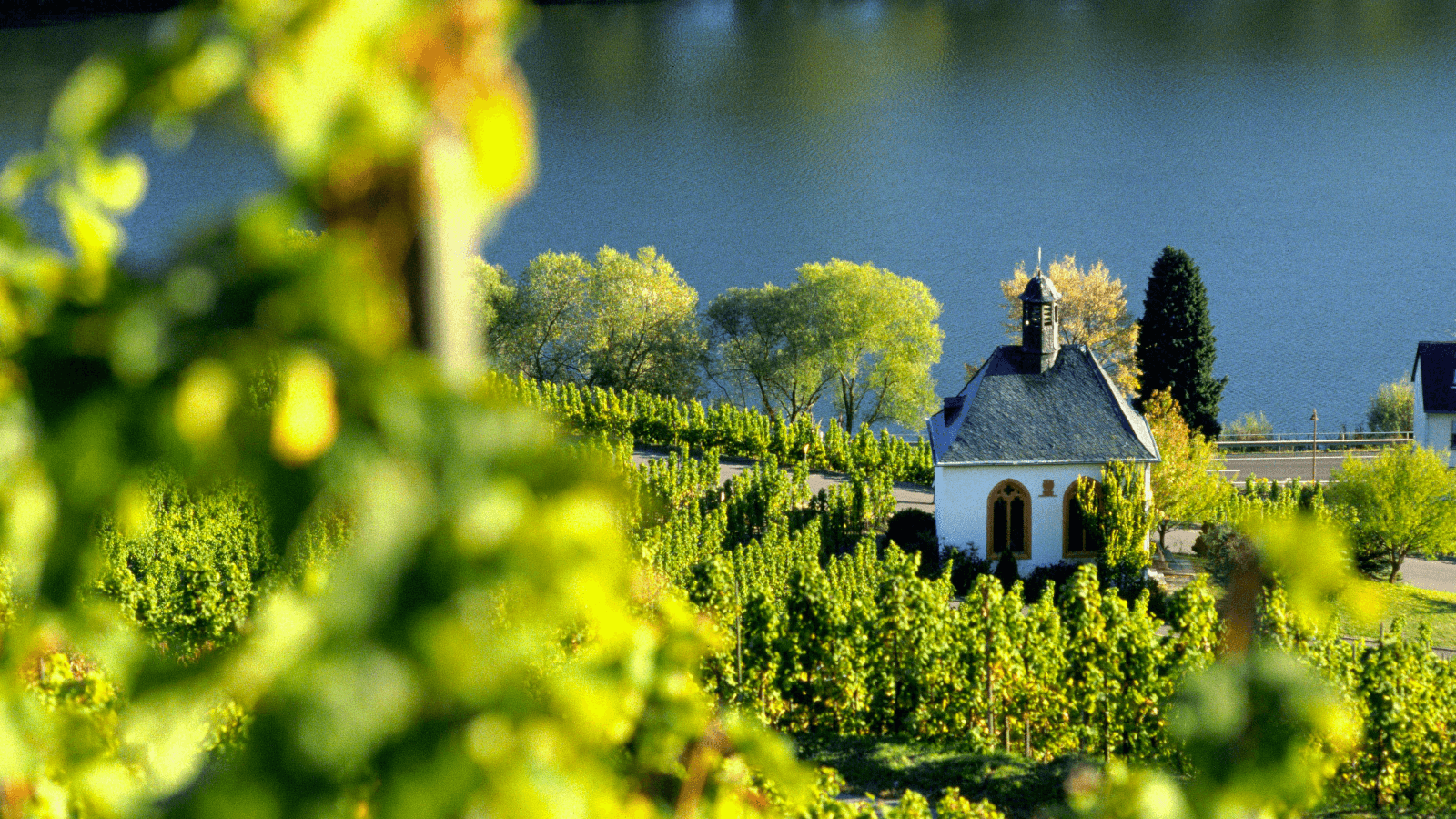 Moselle wine region – chapel in the vineyards
©Deutsches Weininstitut GmbH (DWI)
Moselle wine region – chapel in the vineyards
©Deutsches Weininstitut GmbH (DWI)
If someone is visiting a German wine region for the first time, what might a perfect day there look like?
German wine regions offer ideal conditions for actively exploring the countryside, for example by hiking or biking. Many vineyards are connected by scenic trails, often offering impressive views of river valleys and vineyard slopes. A perfect day could start by exploring a region on your own, whether on foot, by bike, or even by car. Along the way, it’s worth stopping by a winery on a whim. There, you can take part in a wine tasting, chat with the winemakers, and learn more about the region, the soils, and the wines.
You’ll often get personal tips as well: recommendations for other wineries, particularly scenic viewpoints, or good restaurants in the area. My advice, therefore, is to simply keep an open mind and immerse yourself in the region. If you’re curious and stay spontaneous, you’re almost guaranteed to have a great time in Germany’s wine regions.
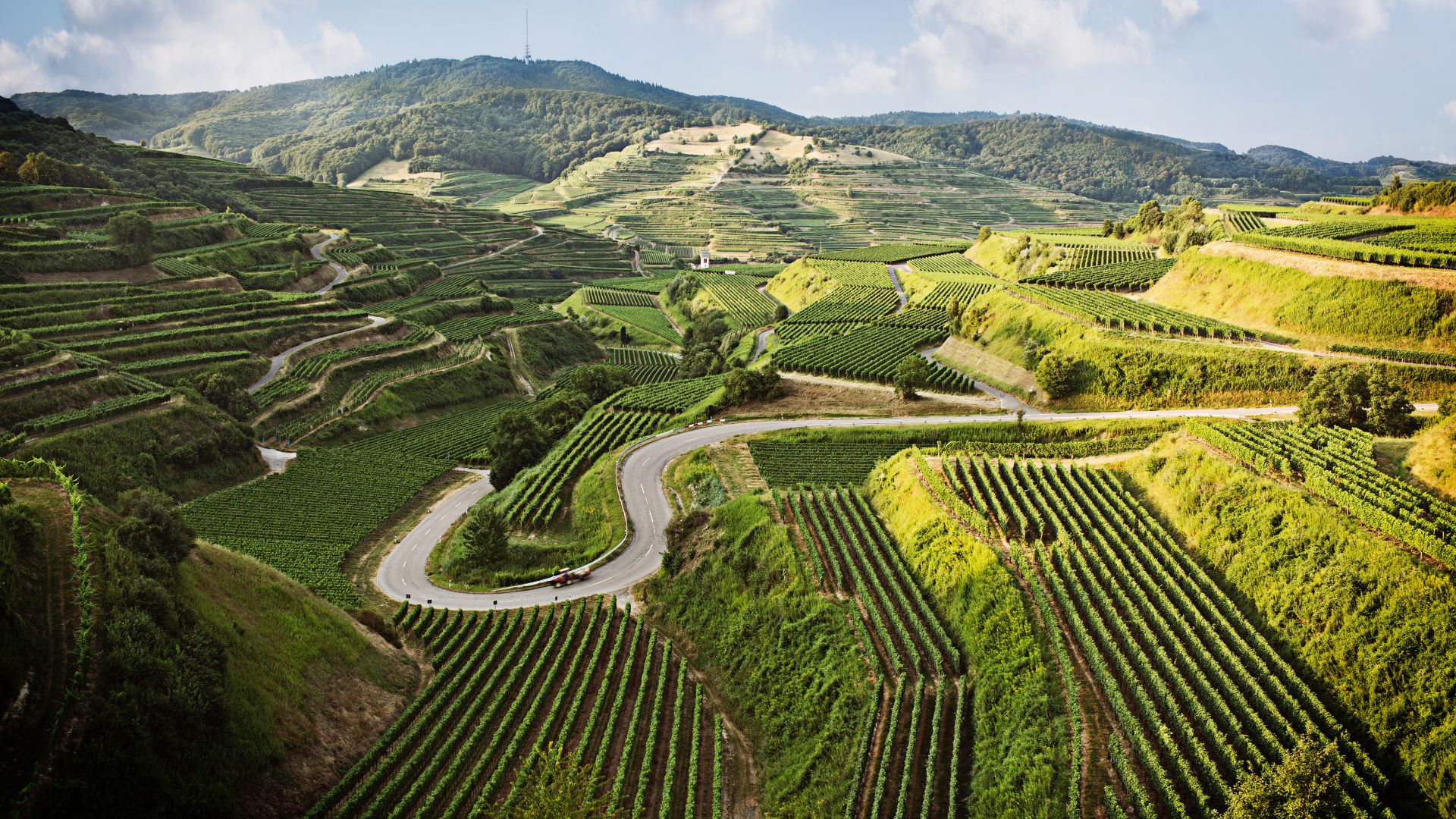 Baden wine growing region, the Kaiserstuhl hills
©Deutsches Weininstitut GmbH
Baden wine growing region, the Kaiserstuhl hills
©Deutsches Weininstitut GmbH
Which lesser-known grape varieties from Germany would you particularly recommend to wine lovers?
In addition to the well-known classics, there are some exciting grape varieties to discover in Germany. A fine example is Silvaner, which pairs particularly well with light cuisine and impresses with its freshness and elegance. Scheurebe is also a very interesting grape variety. It often produces aromatic wines with notes of grapefruit, cassis, or exotic fruits and surprises many wine lovers with its expressive profile. Another exciting, somewhat lesser-known grape variety is Auxerrois. It typically produces very harmonious, rather mild wines with delicate fruit and a soft structure, and is particularly appealing to those who enjoy elegant and approachable white wines.
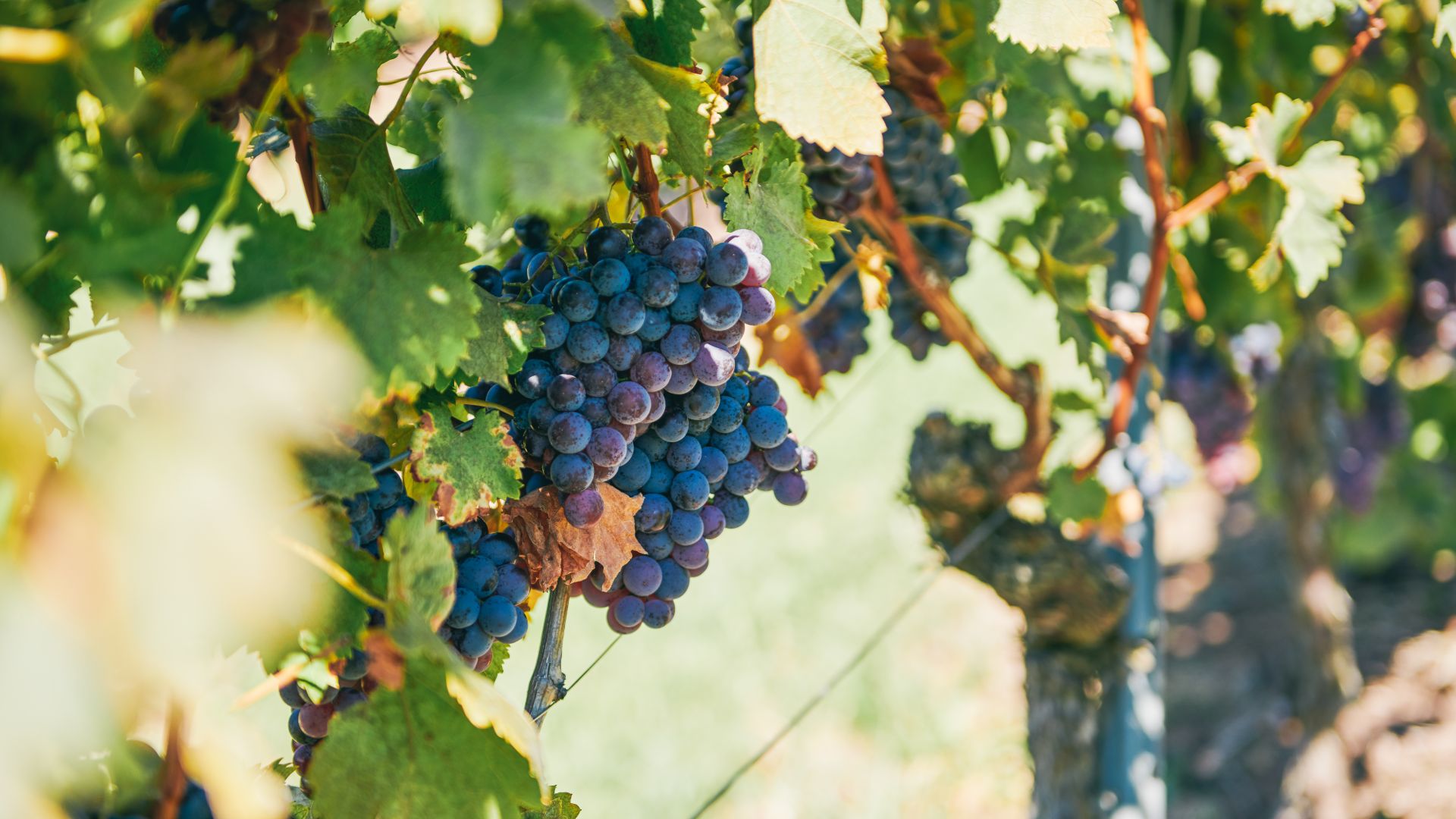 Stuttgart: Steepslope winegrowing area in the Neckar valley
©DZT (Leungmo)
Stuttgart: Steepslope winegrowing area in the Neckar valley
©DZT (Leungmo)
Which encounters with winemakers have left a lasting impression on you?
When you take the time, you quickly realize how much passion and personal history lies behind a winery. I always find it fascinating when you can taste the winemaker’s identity in their wines. When someone talks about their work in the vineyard, the decisions made in the cellar, or what matters to them in their wines—and you later recognize exactly that in the glass. Such behind-the-scenes insights make a visit to the winery particularly exciting and always leave a lasting impression on me.
Please allow us to present... Her Royal Highness, the German Wine Queen 2025/26 and her flair for wine!
Every year in Germany, a Wine Queen is chosen to represent the thirteen wine-growing regions around the world during her reign. The 2025/2026 German Wine Queen is Anna Zenz, who hails from Ediger-Eller on the Moselle and studied business administration. You can find her stories about German wine on Instagram under “germanwineambassadors”.