
Inspiring Germany
Coolcations in Germany’s low mountain ranges: 12 refreshing regions for summer
This text was generated with the help of AI ✨
As temperatures rise, so does the desire to escape to places where summer feels a little more relaxed. Germany’s low mountain ranges offer ideal conditions: dense forests provide shade, higher elevations bring pleasantly fresh air, and lakes and rivers invite visitors to take a refreshing break.
 Give “germany.travel” priority on Google
The trend known as a “coolcation” responds to exactly this desire: travelling to regions that promise nature-based relaxation even on warm days. From the volcanic crater lakes of the Eifel to the karst caves of the Swabian Alb, these twelve destinations reveal just how varied a summer in Germany’s low mountain ranges can be.
Sauerland: Lakes meet fresh mountain air
 Sauerland
©Sauerland-Tourismus e.V (Peter Kappest)
Sauerland
©Sauerland-Tourismus e.V (Peter Kappest)
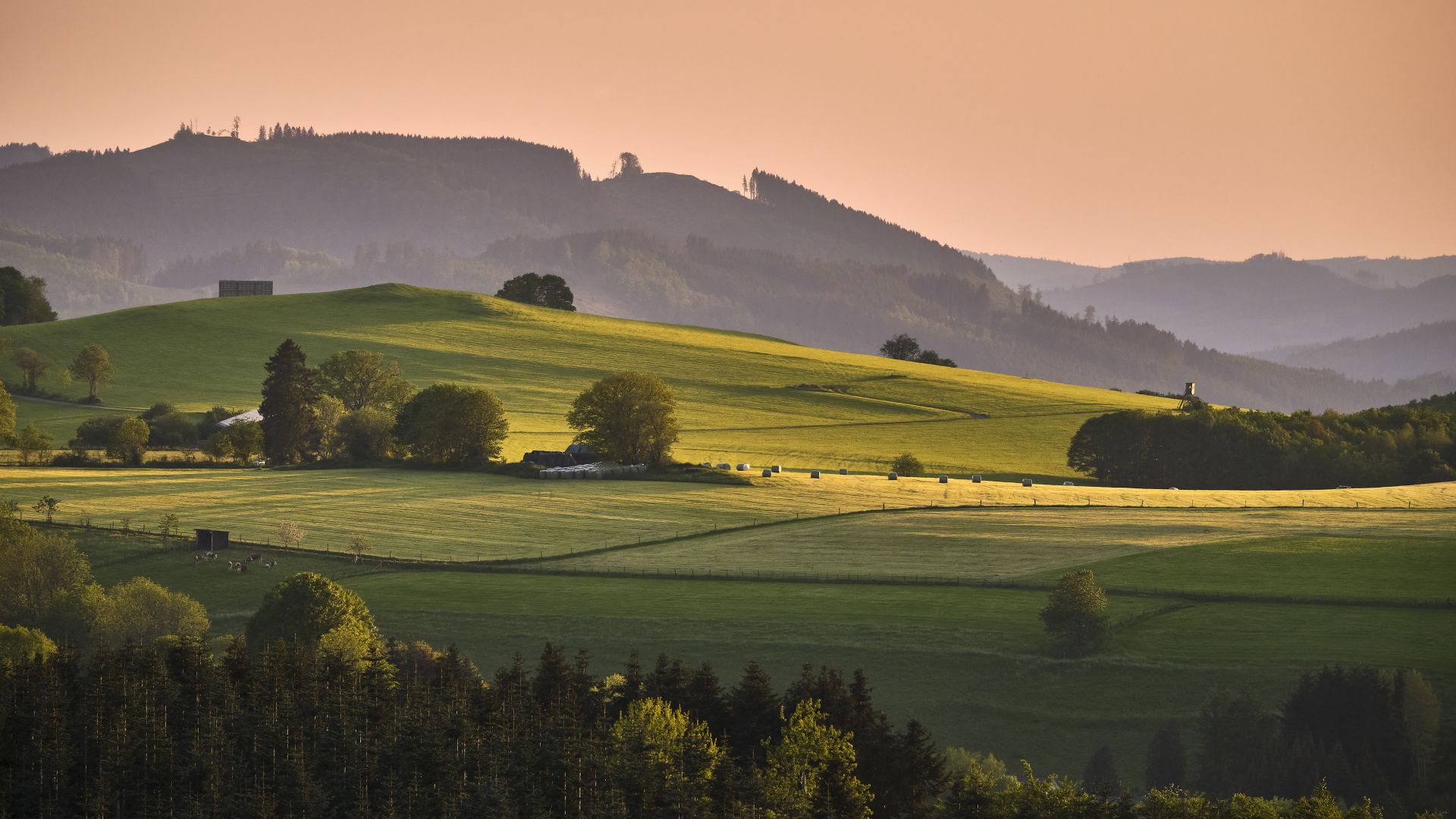
Between Lake Biggesee, Lake Diemelsee and Lake Hennesee, wooded shores, bathing spots and wide expanses of water create a varied landscape. Rising above them is the Kahler Asten, whose higher elevations often remain pleasantly fresh even on warm summer days. Those exploring the Rothaarsteig hike for long stretches through shady forests and enjoy sweeping views across the upland scenery. In this way, the Sauerland combines nature, exercise and refreshing summer air.
Eifel: Where volcanoes now provide refreshment
 Pulvermaar in the Vulkaneifel
©Adobe Stock (AWL Images)
Pulvermaar in the Vulkaneifel
©Adobe Stock (AWL Images)
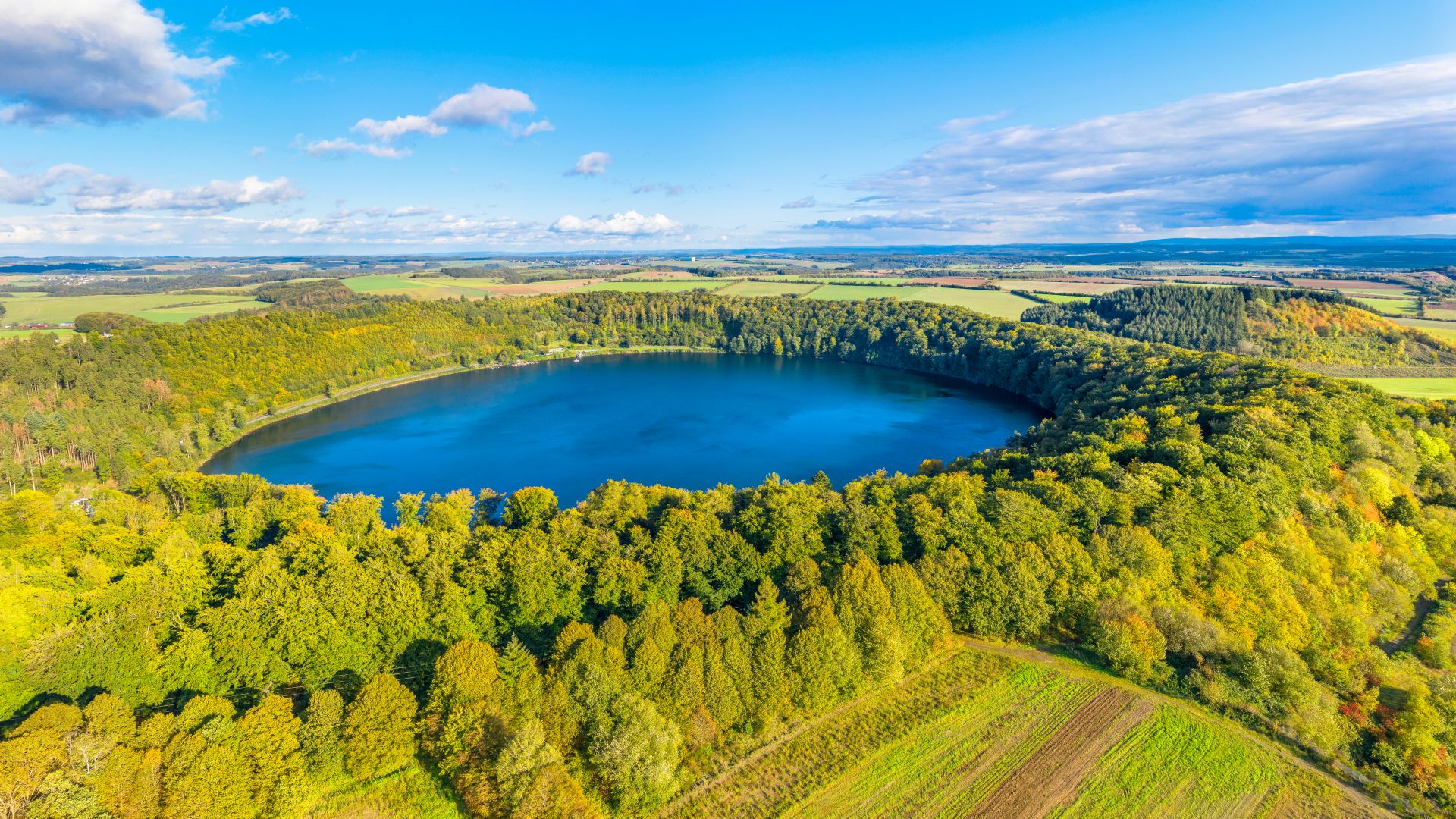
Where volcanoes once shaped the landscape, deep-blue crater lakes now lie between wooded hills. The Pulvermaar, Gemündener Maar and Schalkenmehrener Maar are among the most impressive reminders of the region’s geological past. In Eifel National Park, extensive forests offer welcome shade, while Lake Rursee provides opportunities to enjoy summer by the water. The combination of volcanic scenery and unspoilt nature makes the region an exceptional destination for warm days.
Swabian Alb: Pleasantly cool underground
 Hayingen: Woman visits the water cave Wimsener Höhle in a boat
©DZT (Florian Trykowski)
Hayingen: Woman visits the water cave Wimsener Höhle in a boat
©DZT (Florian Trykowski)
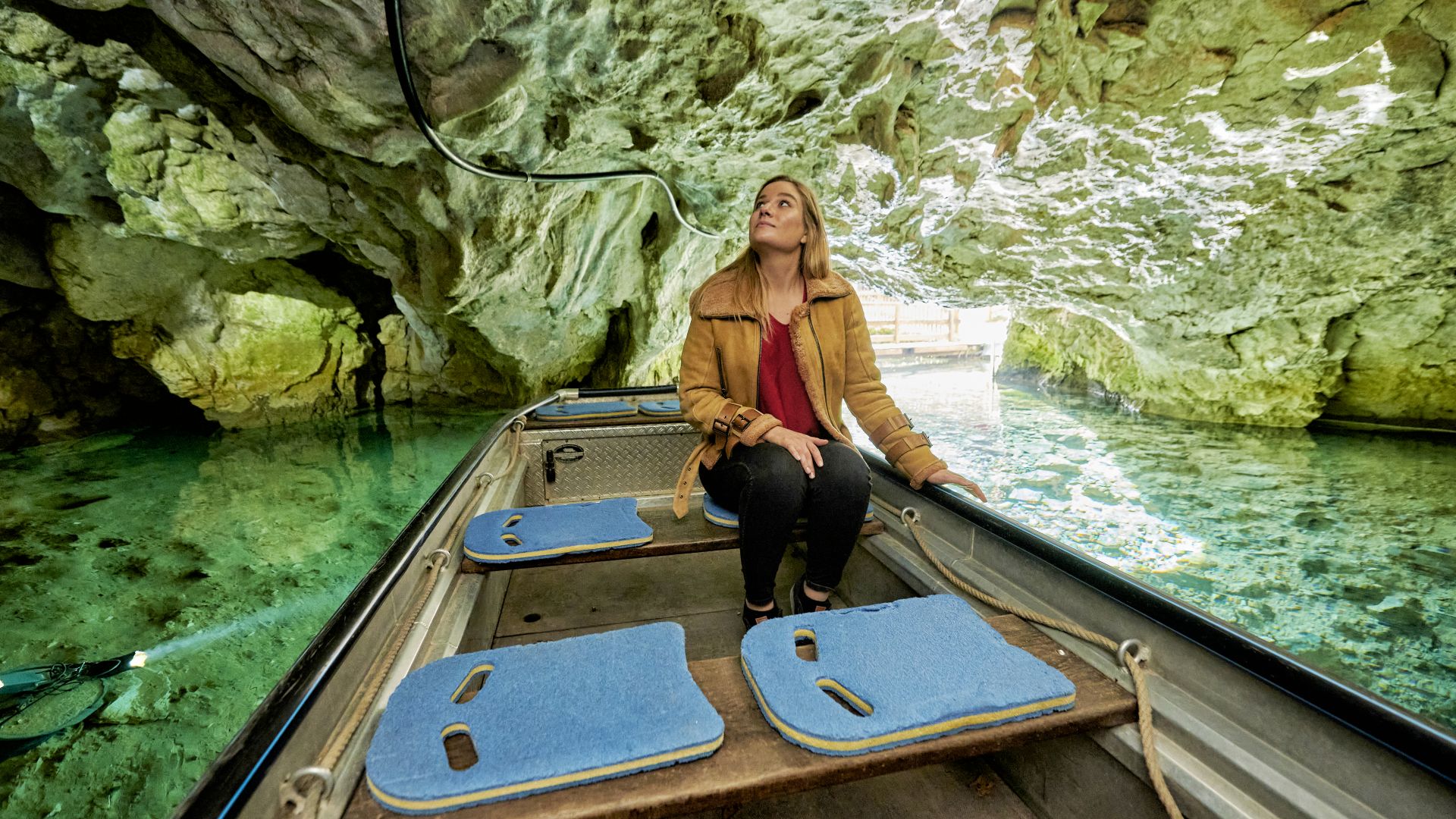
The UNESCO Swabian Alb Biosphere Reserve combines panoramic plateaus with a fascinating karst landscape. Water and rock define the scenery at the Blautopf spring, in the Danube Valley and at Urach Waterfall. Underground, the temperatures are particularly refreshing: the Nebelhöhle and Wimsener Höhle caves remain cool throughout the year. These impressive caves add another dimension to the region’s varied natural attractions.
Odenwald: Forests, river valleys and historic towns
 Heidelberg: Königstuhlbahn mountain station and funicular railway
©Lookphotos (Hanna Wagner)
Heidelberg: Königstuhlbahn mountain station and funicular railway
©Lookphotos (Hanna Wagner)
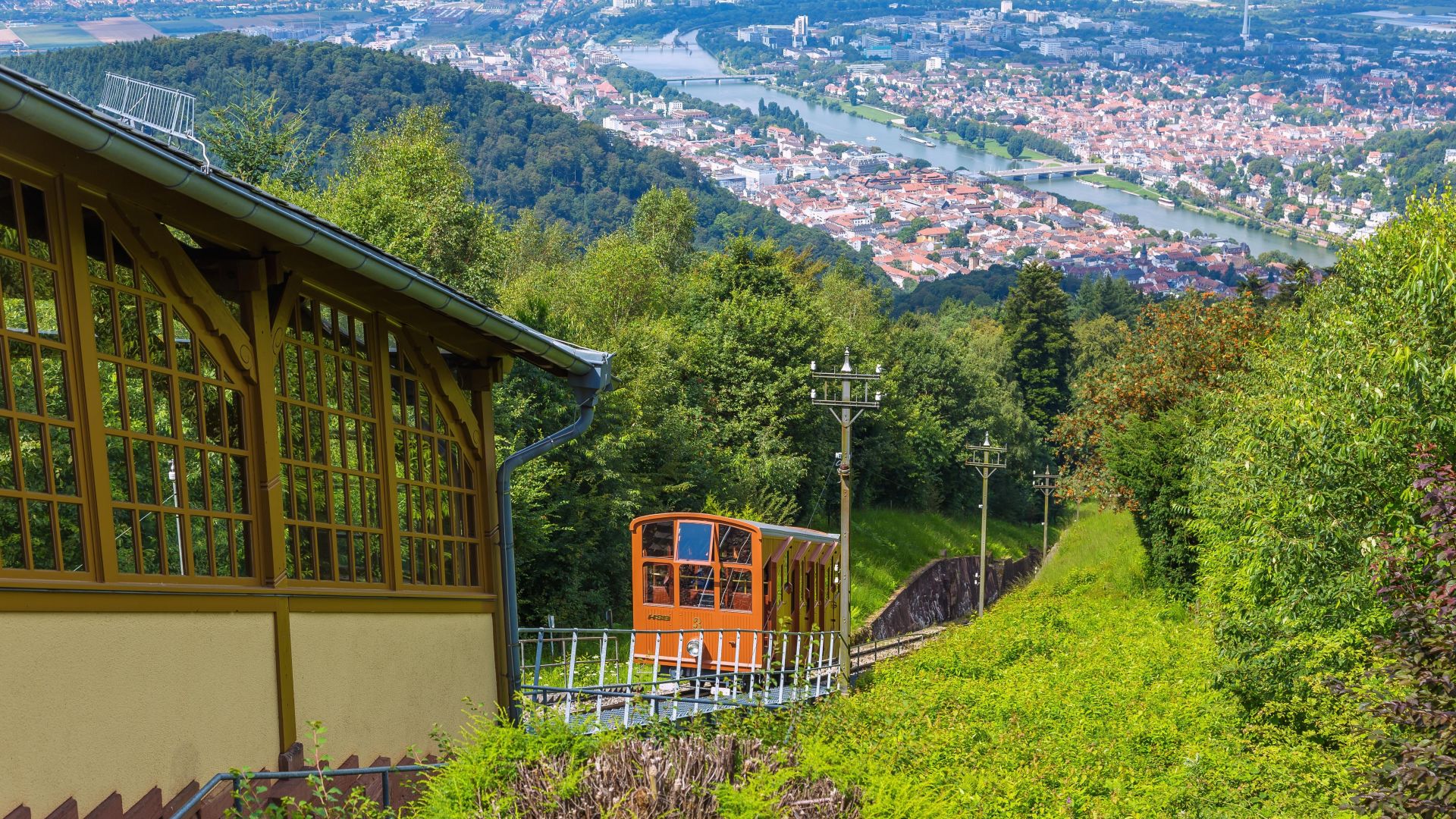
Shady mixed forests, gentle uplands and the River Neckar shape the Odenwald. The landscape is particularly impressive at the sweeping bend of the Neckar near Eberbach, while the Felsenmeer in the Lautertal valley offers a striking contrast with its massive granite boulders. Half-timbered villages and historic old towns lend the region additional character, combining natural experiences with culture.
Palatinate: Summer beneath Germany’s largest forest
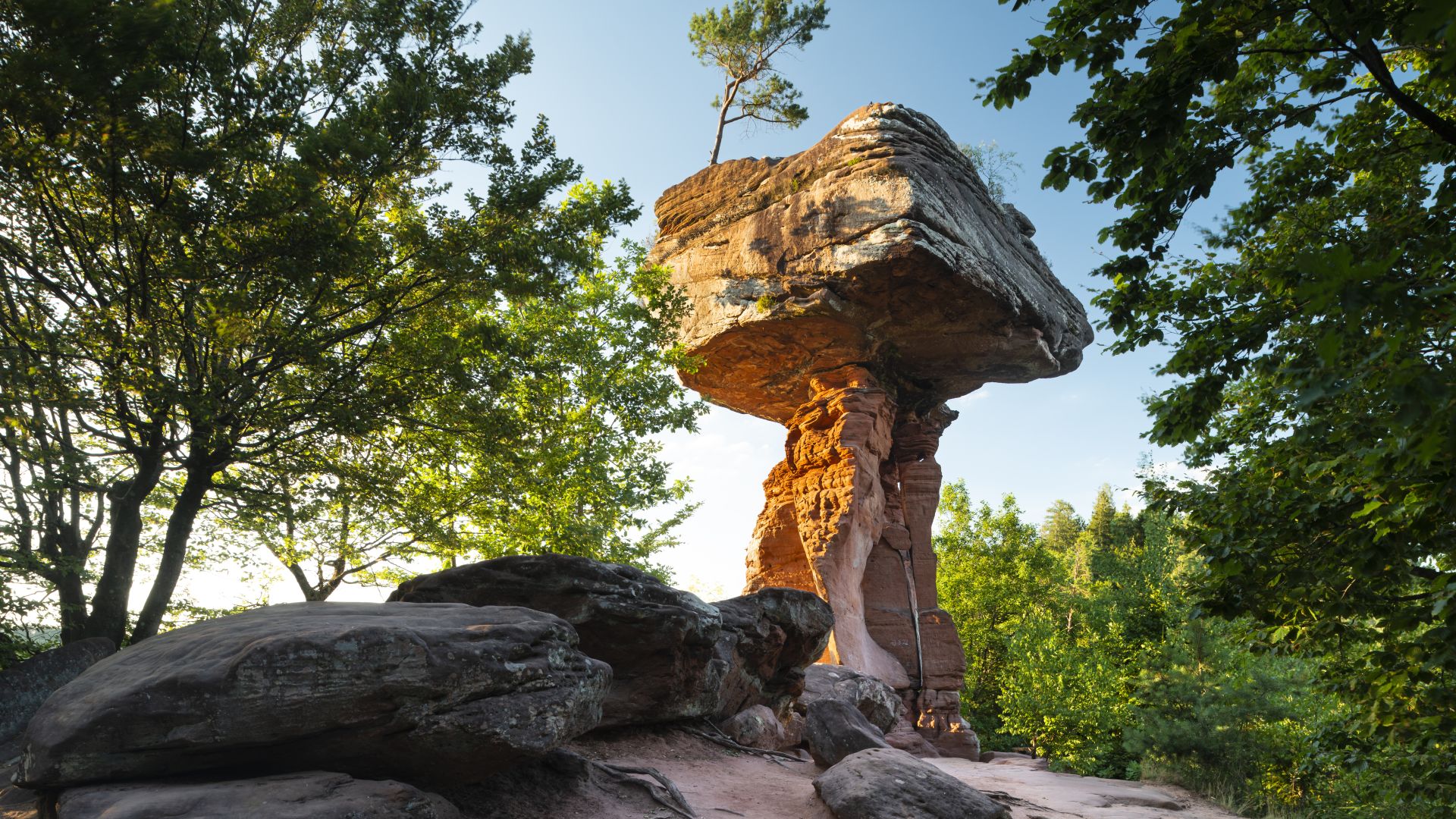 Lambrecht: Pfälzerwald Nature Park
©DZT (Francesco Carovillano)
Lambrecht: Pfälzerwald Nature Park
©DZT (Francesco Carovillano)
The Palatinate Forest is the largest continuous forested area in Germany. Beneath its dense canopy, many places remain pleasantly cool even at the height of summer. Among distinctive red sandstone formations and wooded hills, the Dahner Felsenland offers varied hiking trails and constantly changing views. Those seeking tranquillity and nature will find ideal conditions here for relaxed summer days.
Bavarian Forest: Wild nature and peaceful mountain lakes
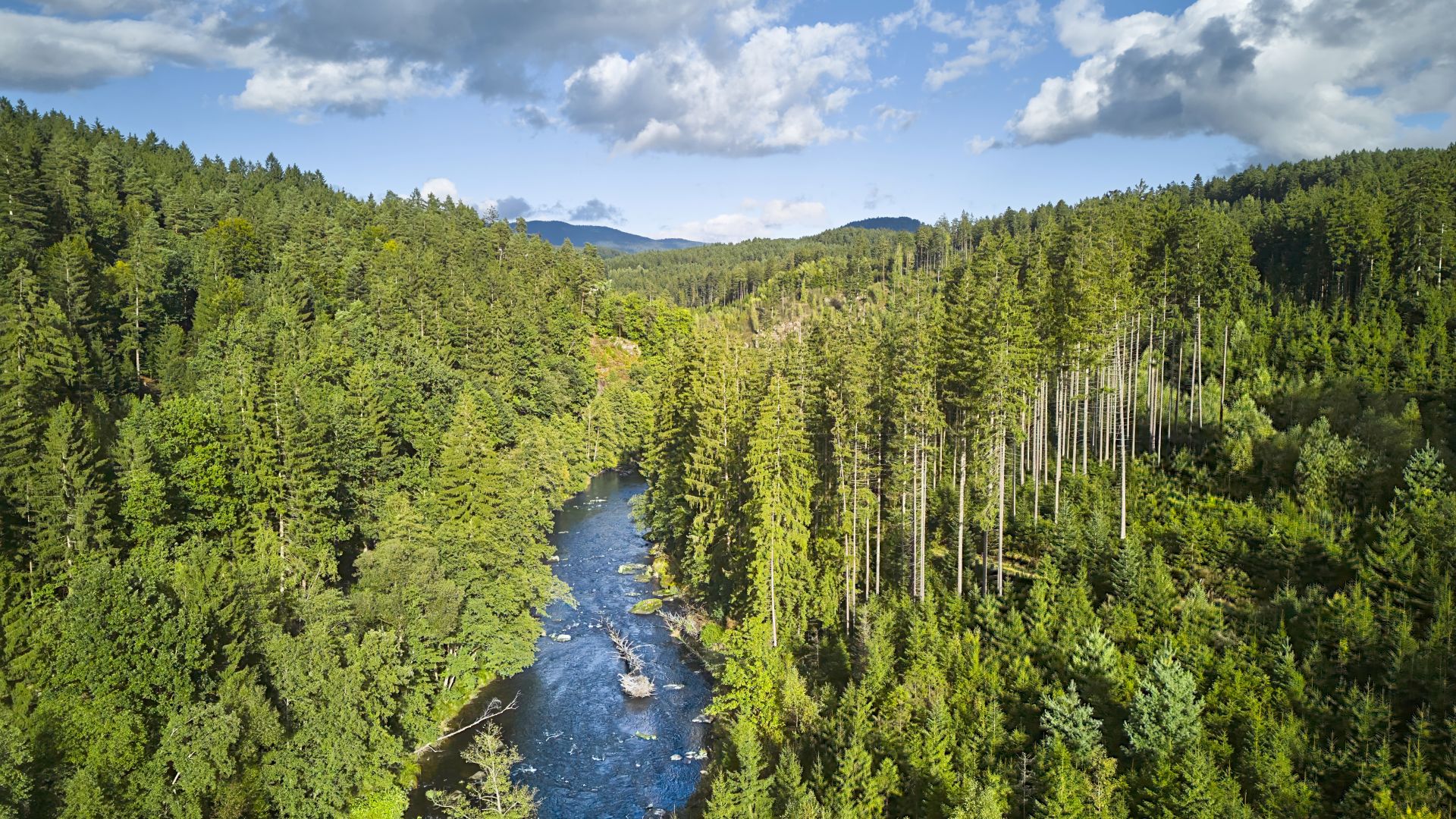 River Teisnach in the Bavarian Forest
©DZT (Jens Wegener)
River Teisnach in the Bavarian Forest
©DZT (Jens Wegener)
With its pristine forests and clear mountain lakes, the Bavarian Forest reveals its close-to-nature character. Bavarian Forest National Park protects vast woodland areas where nature is largely free to develop undisturbed. Lake Großer Arbersee and Lake Rachelsee lie between forested mountain slopes and invite visitors to pause and cool down. The higher elevations also contribute to the region’s fresh summer climate.
Steigerwald: Ancient beech trees and peaceful trails
River Teisnach in the Bavarian Forest
©DZT (Jens Wegener)
Mighty beech trees and gentle hills define the scenery of the Steigerwald. The Ebrach Forest is particularly atmospheric, with its ancient woodland creating a peaceful, almost primeval setting. Those who explore the area at a leisurely pace can experience the interplay of light and shade beneath the treetops particularly intensely, far from large crowds.
Hunsrück-Nahe: Fresh breezes on the uplands
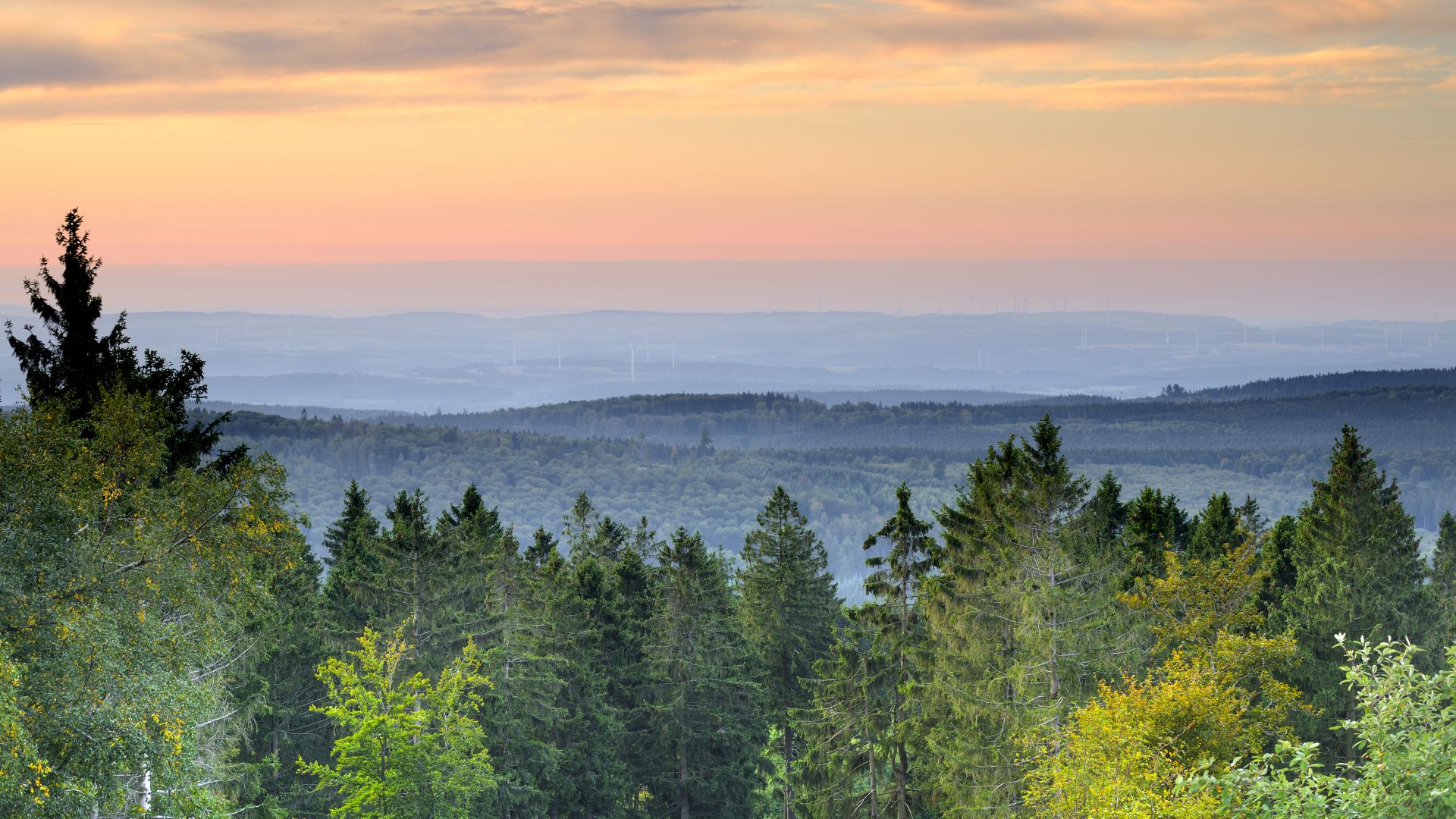 Hunsrück-Hochwald National Park: View over the Erbeskopf mountain range
©DZT (Francesco Carovillano)
Hunsrück-Hochwald National Park: View over the Erbeskopf mountain range
©DZT (Francesco Carovillano)
Broad ridges and extensive forests give the Hunsrück a pleasantly fresh climate, even in summer. In Hunsrück-Hochwald National Park, near-natural woodland alternates with open viewpoints. From the Erbeskopf, the highest point in the region, the view stretches far across the forested upland landscape. It is an ideal destination for anyone wishing to combine outdoor activity with milder temperatures.
Thuringian Forest: Along the Rennsteig
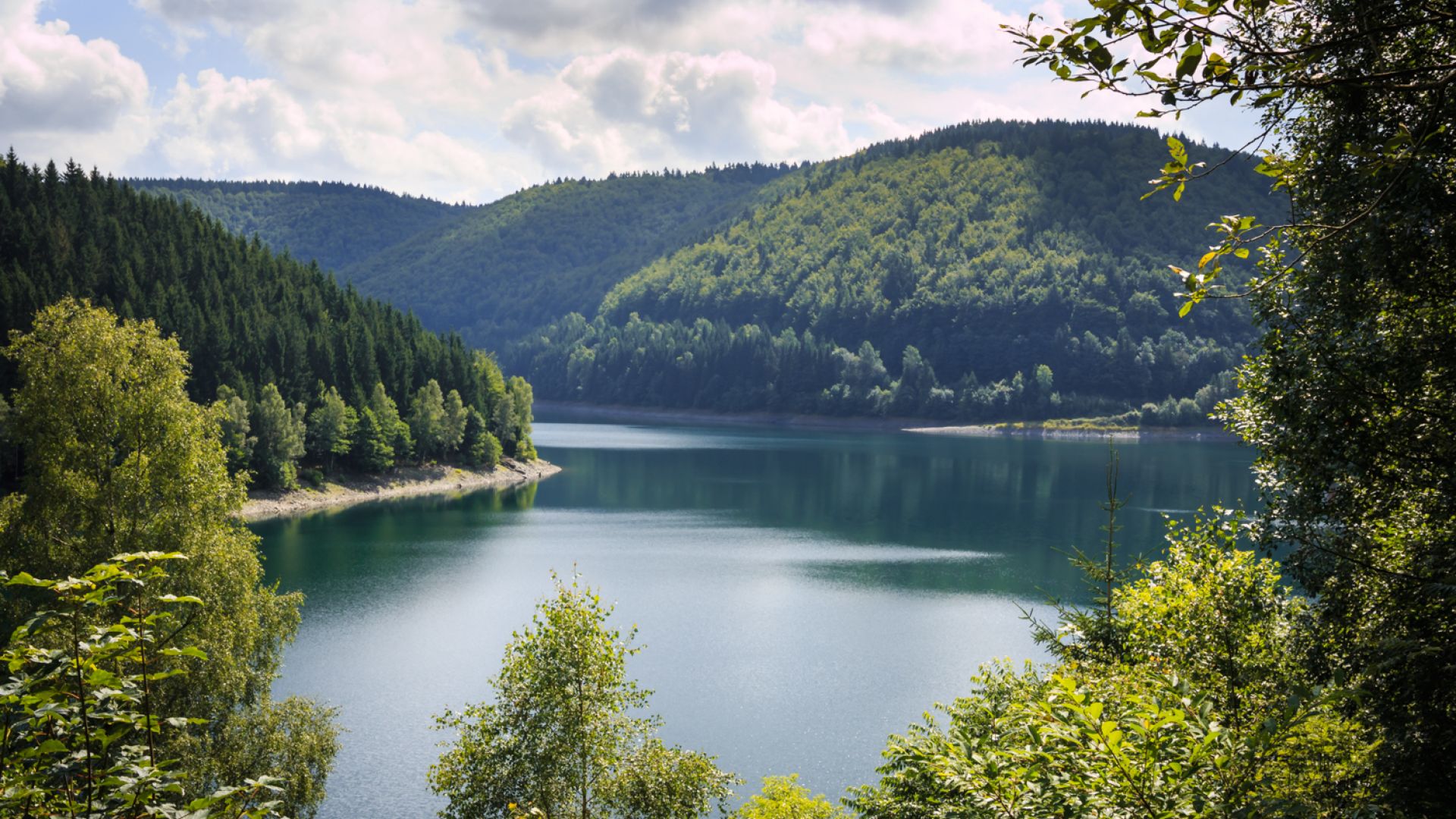 Schönbrunn Dam in Schleusegrund
©Thüringer Tourismus GmbH (Melf Mäder)
Schönbrunn Dam in Schleusegrund
©Thüringer Tourismus GmbH (Melf Mäder)
The Rennsteig runs for many kilometres through shady forests and is one of Germany’s best-known high-level hiking trails. Along the route, springs, streams and panoramic uplands alternate. The Schneekopf, Schwarzatal, Vesser Valley and the Lütschetal and Schönbrunn reservoirs add further variety. In the Thuringian Forest, one refreshing landscape follows another.
Spessart: In the shade of ancient deciduous forests
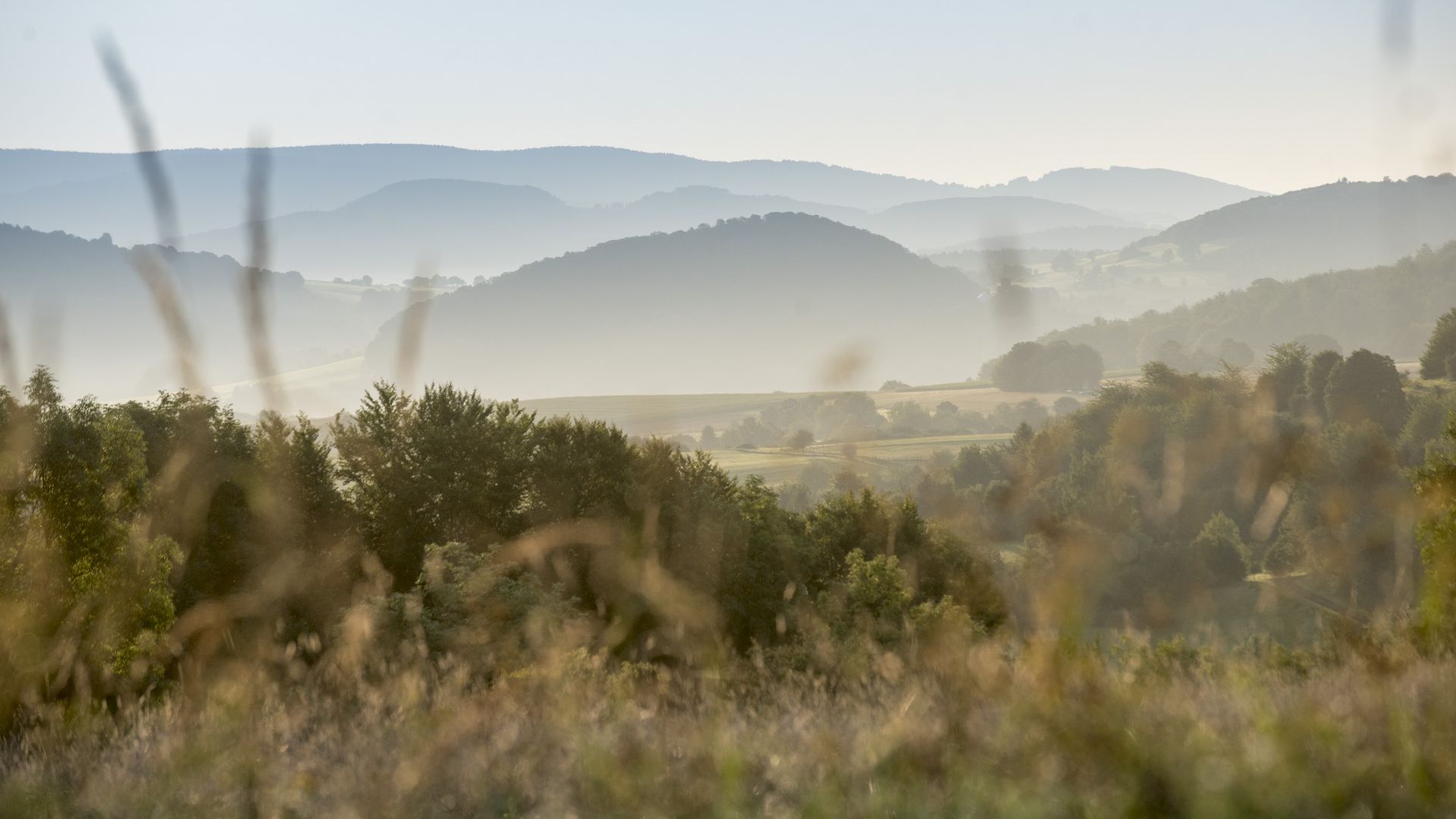 Distant view above Weiperz and Breunings in the Spessart
©Spessart Tourismus und Marketing GmbH (Claus Tews)
Distant view above Weiperz and Breunings in the Spessart
©Spessart Tourismus und Marketing GmbH (Claus Tews)
The Spessart is one of Germany’s largest continuous areas of deciduous woodland. Dense tree canopies line many hiking trails and create a cool microclimate. In the Spessart Nature Park and Hafenlohr Valley, peaceful forest paths alternate with small streams, while Lake Wiesbüttsee provides an inviting place to relax by the water.
Bergisches Land: A waterside escape close to the city
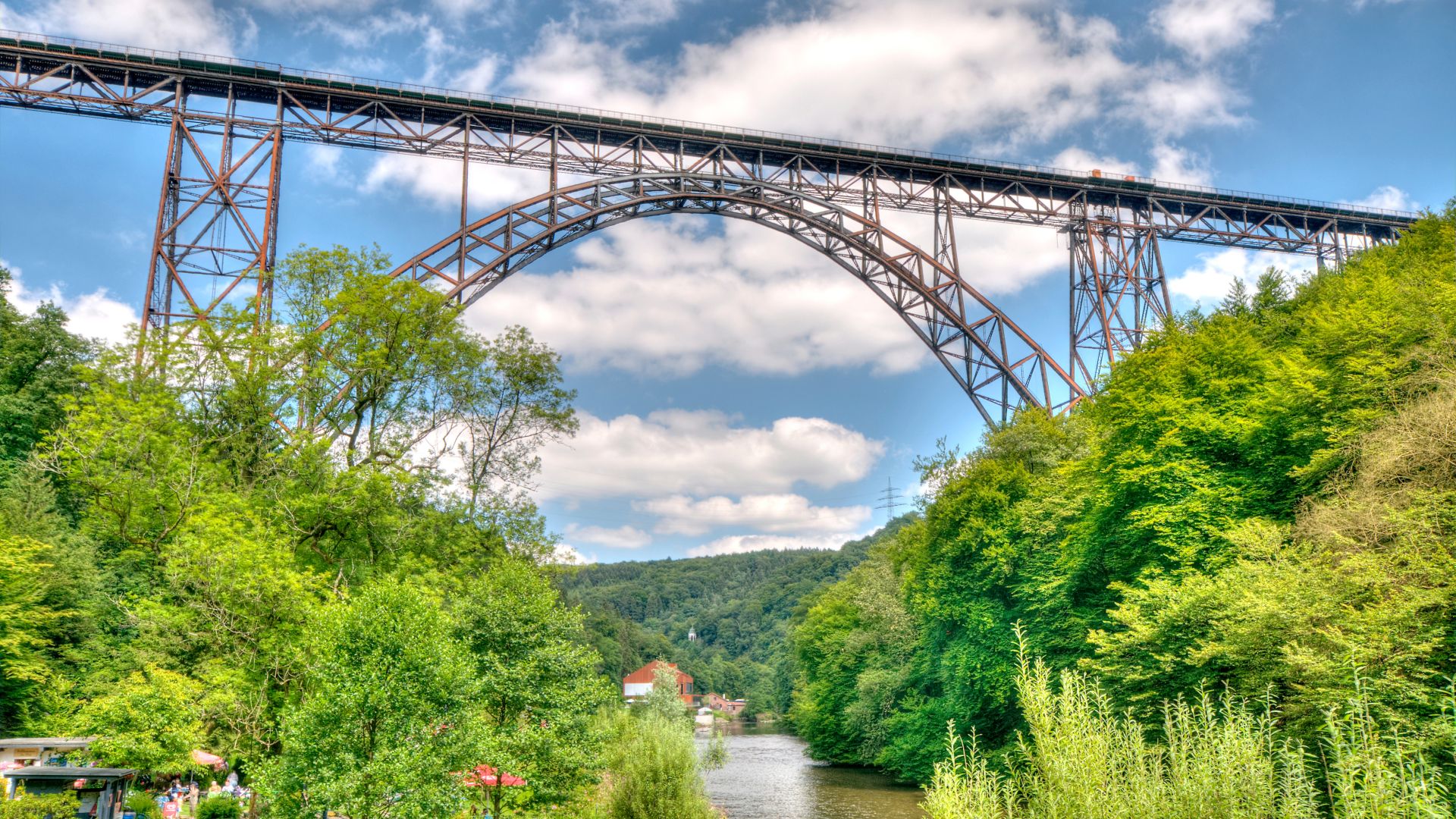 Solingen: Sommer an der Müngstener Brücke
©Adobe Stock (Thomas Jablonski)
Solingen: Sommer an der Müngstener Brücke
©Adobe Stock (Thomas Jablonski)
Just a short journey from Cologne or Düsseldorf, reservoirs, forests and gentle uplands shape the scenery of the Bergisches Land. The Dhünn, Wupper and Agger reservoirs offer welcome refreshment, while the Bergischer Panoramasteig provides varied hiking opportunities. Cultural highlights such as the Müngsten Bridge and Altenberg Cathedral complement the natural attractions.
Upper Palatinate Forest: Tranquillity among lakes and granite rocks
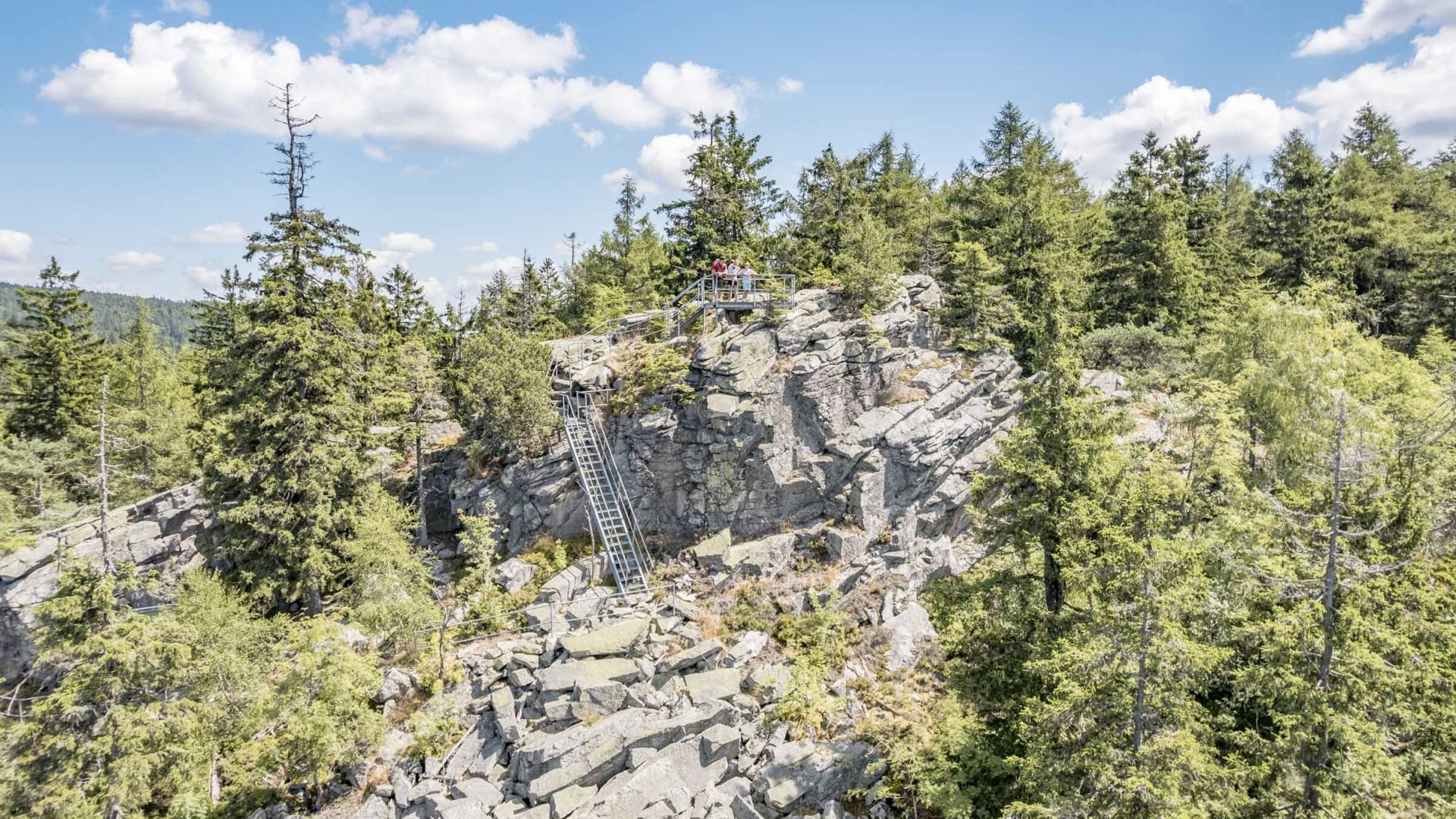 Saubadfelsen in the Steinwald Nature Park
©Tourismusgemeinschaft Oberpfälzer Wald (Thomas Kujat)
Saubadfelsen in the Steinwald Nature Park
©Tourismusgemeinschaft Oberpfälzer Wald (Thomas Kujat)
Extensive forests, gentle uplands and numerous lakes give the Upper Palatinate Forest a relaxed atmosphere. The Upper Palatinate Forest Nature Park, the Steinwald, Lake Murner See and Lake Steinberger See invite visitors to hike, cycle and spend restful hours by the water. The distinctive Doost rock formations and the ruins of Leuchtenberg Castle add scenic highlights and make the region a varied destination for a summer break.
What is a coolcation?
The term coolcation combines the words cool and vacation and describes the growing trend of spending the summer in destinations with milder temperatures. Instead of extreme heat, the focus is on shady forests, higher elevations, lakes and coastlines that offer natural ways to stay cool. Germany’s low mountain ranges provide ideal conditions, combining refreshing summer weather with a wide variety of nature experiences.