Inspiring Germany
The Golden Twenties in Germany: Where the spirit of the era still lives on
This text was generated with the help of AI ✨
The Golden Twenties were a time of new beginnings, experimentation, and contradictions. An era whose influence can still be felt today. In dance halls and Bauhaus classrooms, in silent film screenings and expressionist neighborhoods, this remarkable decade lives on. Germany is the ideal place to trace the legacy of this fascinating period.
 Give “germany.travel” priority on Google
In the 1920s, Germany danced between inflation and optimism, between cabaret and cinema, between avant-garde architecture and the rhythms of jazz. The Weimar Republic sparked a cultural explosion whose traces can still be discovered today – in dance halls, grand cinemas, bold buildings, and vibrant theatres. A journey to the places that shaped the Golden Twenties is a journey into one of the most fascinating decades of German history.
Swing, revue and nightlife: the sound of the twenties lives on
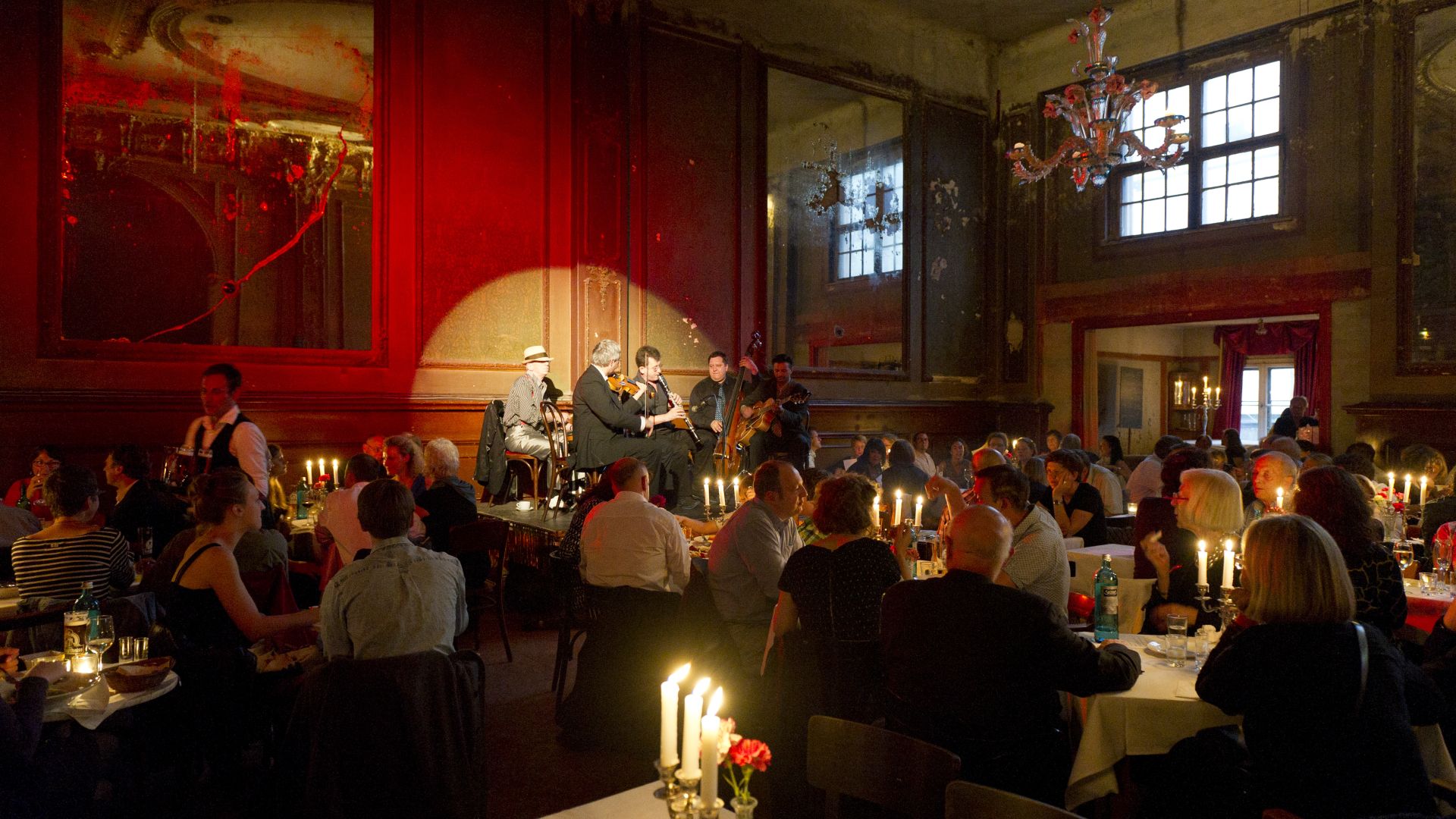 Live music at Clärchens Ballhaus Berlin
©visitberlin (Philip Koschel)
Live music at Clärchens Ballhaus Berlin
©visitberlin (Philip Koschel)
Anyone wanting to understand why Berlin was considered the nightlife capital of the world in the 1920s should visit Clärchens Ballhaus on Auguststraße. This dance hall has existed since 1913, and visitors still dance here to swing, waltzes, and foxtrots. Patina-covered walls, chandeliers, and the scent of history create an atmosphere that brings the Roaring Twenties vividly to life.
Less than two kilometres away, the Admiralspalast recalls another defining aspect of the decade: the grand revue. Built in 1910 as a public bathhouse and already a celebrated entertainment venue in the 1920s, the theatre continues to host concerts, musicals, and variety shows. Those wishing to delve deeper into Berlin’s revue tradition should also visit the Wintergarten Varieté, where performances continue the legacy of the golden age of variety entertainment.
In Hamburg, the heart of nightlife beats on the Kiez. St. Pauli and the Reeperbahn draw their energy from a period when the harbour, music, and a desire for freedom came together. Today, jazz clubs and live music venues still evoke the liberal spirit of the Weimar era. Leipzig, once a major centre of Germany’s music scene, also preserves this heritage, with jazz and retro clubs keeping the sounds of the Twenties alive.
Bauhaus and new objectivity: architecture as a manifesto
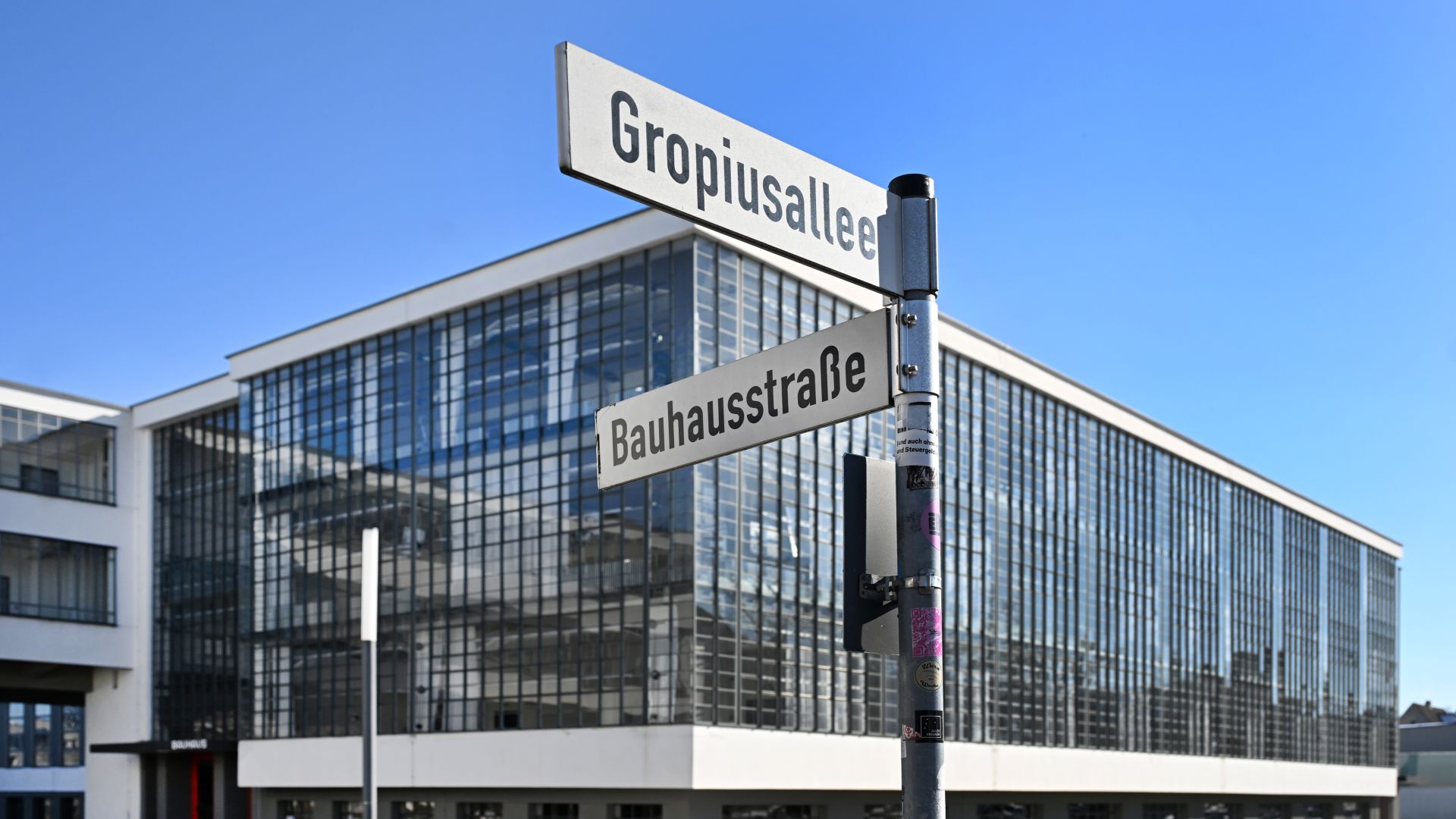 Bauhaus Museum Dessau
©Investitions- und Marketinggesellschaft Sachsen-Anhalt mbH (Volkmar Heinz)
Bauhaus Museum Dessau
©Investitions- und Marketinggesellschaft Sachsen-Anhalt mbH (Volkmar Heinz)
No place symbolises the creative spirit of the 1920s more than Dessau. Founded in Weimar by Walter Gropius in 1919 and relocated to Dessau in 1925, the Bauhaus promoted a unity of art, craftsmanship, and industry that continues to influence design worldwide. Today, the UNESCO World Heritage-listed Bauhaus Dessau welcomes visitors with guided tours, exhibitions, and workshops. Nearby, the Masters’ Houses, once home to artists such as Klee, Kandinsky, and Feininger, can also be explored.
In Weimar, the Bauhaus Museum tells the story of the movement’s early years, while the Haus am Horn, a pioneering experimental house built in 1923, demonstrates just how radical Bauhaus ideas were: functional, clear, and free from historical ornamentation. Both sites are part of the Classical Modernism heritage of Thuringia and can easily be visited together.
In Frankfurt, the Ernst May housing estates continue to shape the cityscape. They stand as remarkable examples of New Objectivity and the socially minded urban planning of the Weimar Republic. The Römerstadt district is particularly enjoyable to explore on foot.
Silent film and cinema magic: a journey through time
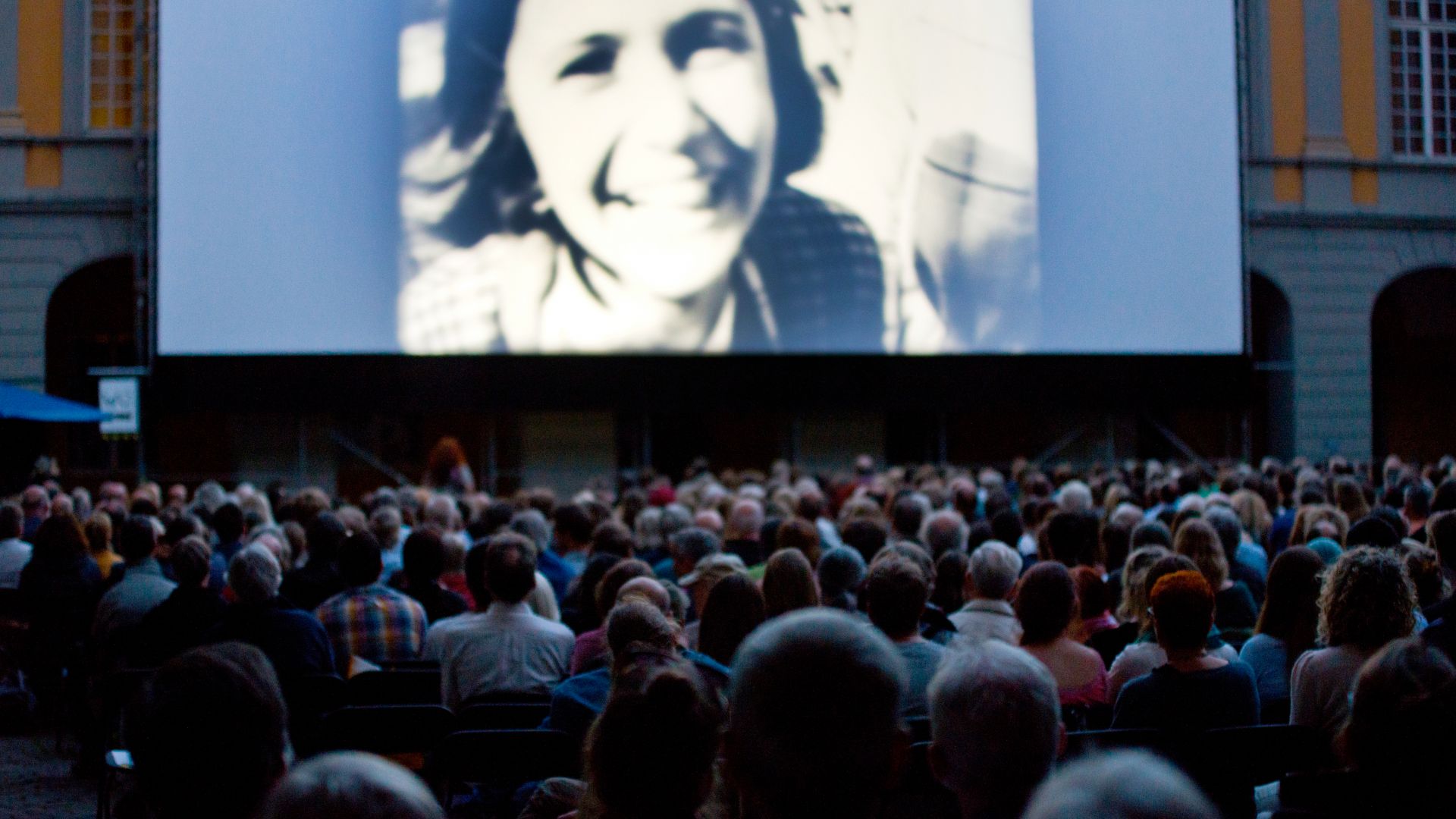 International Silent Film Festival in Bonn
©Förderverein Filmkultur Bonn e.V. (Salah Nassan)
International Silent Film Festival in Bonn
©Förderverein Filmkultur Bonn e.V. (Salah Nassan)
Germany was a global film powerhouse during the 1920s. Classics such as Fritz Lang’s Metropolis and F. W. Murnau’s Nosferatu left a lasting mark on world cinema. Visitors stepping into Berlin’s Babylon Cinema enter an authentic piece of this era. Opened in 1929, it is one of the few surviving cinemas from the period that still screens films today.
Fans of the acclaimed television series Babylon Berlin should plan a visit to Studio Babelsberg, the world’s oldest large-scale film studio, whose own history stretches back to the Golden Twenties.
Another highlight for silent-film enthusiasts is the International Silent Film Festival in Bonn. Held every summer at the Brotfabrik cinema, the festival celebrates the heritage of early cinema through a unique combination of rare archive films, live orchestral accompaniment, and themed retrospectives.
People’s theatre and the modern stage: where new ideas were born
 DE
©AdobeStock (eyetronic)
DE
©AdobeStock (eyetronic)
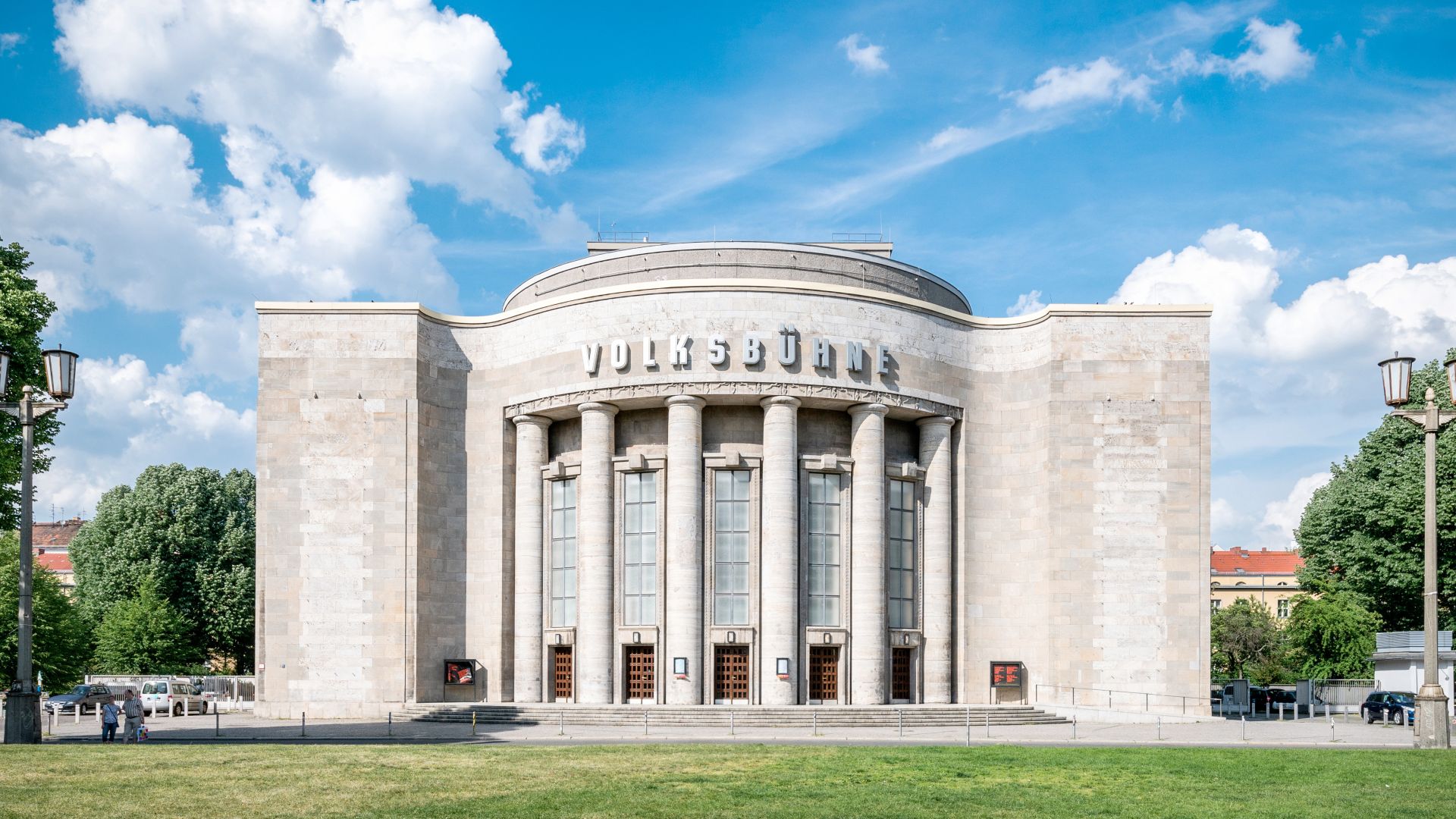
The Volksbühne at Berlin’s Rosa-Luxemburg-Platz is one of the founding institutions of modern German theatre. During the 1920s, it was a centre of political and artistic innovation, promoting theatre as an art form for the people. Today, it remains one of Germany’s most influential stages, balancing classical productions with contemporary experimentation.
In Munich, the Münchner Kammerspiele offer another perspective on modernity. The theatre gained recognition in the 1920s through groundbreaking expressionist productions and remains one of Germany’s leading spoken-theatre venues. It continues to preserve the spirit of an era when theatre sought to challenge conventions and reshape society.
FAQ – Frequently Asked Questions
What are the most important places in Germany for fans of the Weimar Republic?
Some of the key destinations include Berlin (Clärchens Ballhaus, Babylon Cinema, and the Volksbühne), Dessau and Weimar (Bauhaus sites), Hamburg (Chilehaus and the Reeperbahn), Frankfurt (the Ernst May housing estates), and Görlitz, whose remarkably preserved historic streetscape has made it a popular filming location for productions set in the 1920s.
Where is the best place to experience the Bauhaus legacy?
The UNESCO World Heritage-listed Bauhaus Dessau offers guided tours, exhibitions, and workshops. In Weimar, the Bauhaus Museum and the Haus am Horn complete the experience. Together, these sites make an excellent itinerary through the federal states of Thuringia and Saxony-Anhalt.
Are there still authentic 1920s venues in Berlin?
Yes. Clärchens Ballhaus, open since 1913, evokes the atmosphere of the era with its original interiors and regular swing evenings. Babylon Cinema, opened in 1929, frequently screens silent films accompanied by live piano music. The Admiralspalast and the Wintergarten Varieté continue Berlin’s long tradition of revue performances.
What does Görlitz have to do with the Golden Twenties?
Görlitz is home to one of Germany’s best-preserved late 19th-century urban districts, making it a popular filming location for productions set in the 1920s and 1930s—hence its nickname, "Görliwood." Even without a film crew, a walk through the historic centre feels like stepping back in time.
When is the best time to experience the atmosphere of the Golden Twenties in Germany?
Germany offers Golden Twenties experiences throughout the year. Swing evenings, silent film screenings, and Bauhaus workshops take place year-round. Berlin is particularly atmospheric during the winter months, when its nightlife comes alive, while spring and autumn are ideal for architecture tours and city walks.
Can I visit the studios where Babylon Berlin was filmed?
Yes. Studio Babelsberg, near Potsdam, is the world's oldest large-scale film studio and can be visited. Many of the series' indoor scenes were filmed there. Guided tours provide fascinating insights into film production and the world of the Weimar Republic.