
Inspiring Germany
14 “very German” Moments
This text was generated with the help of AI ✨
What does “very German” actually mean? Windows wide open – even in winter. "Feierabend" marking a clear boundary between work and free time. And on Sundays, a walk followed by a slice of cake.
 Give “germany.travel” priority on Google
Germany is about more than castles, museums, landscapes and historic old towns. Often, it is the little everyday moments that make a trip special: a leisurely breakfast, a morning visit to the bakery, a quiet Sunday or your first encounter with a bottle return machine. These 14 observations are not a guide to how all Germans behave. They are an invitation to take a closer look while travelling and discover Germany through its small everyday rituals.
"Stoßlüften": Open the windows – all the way
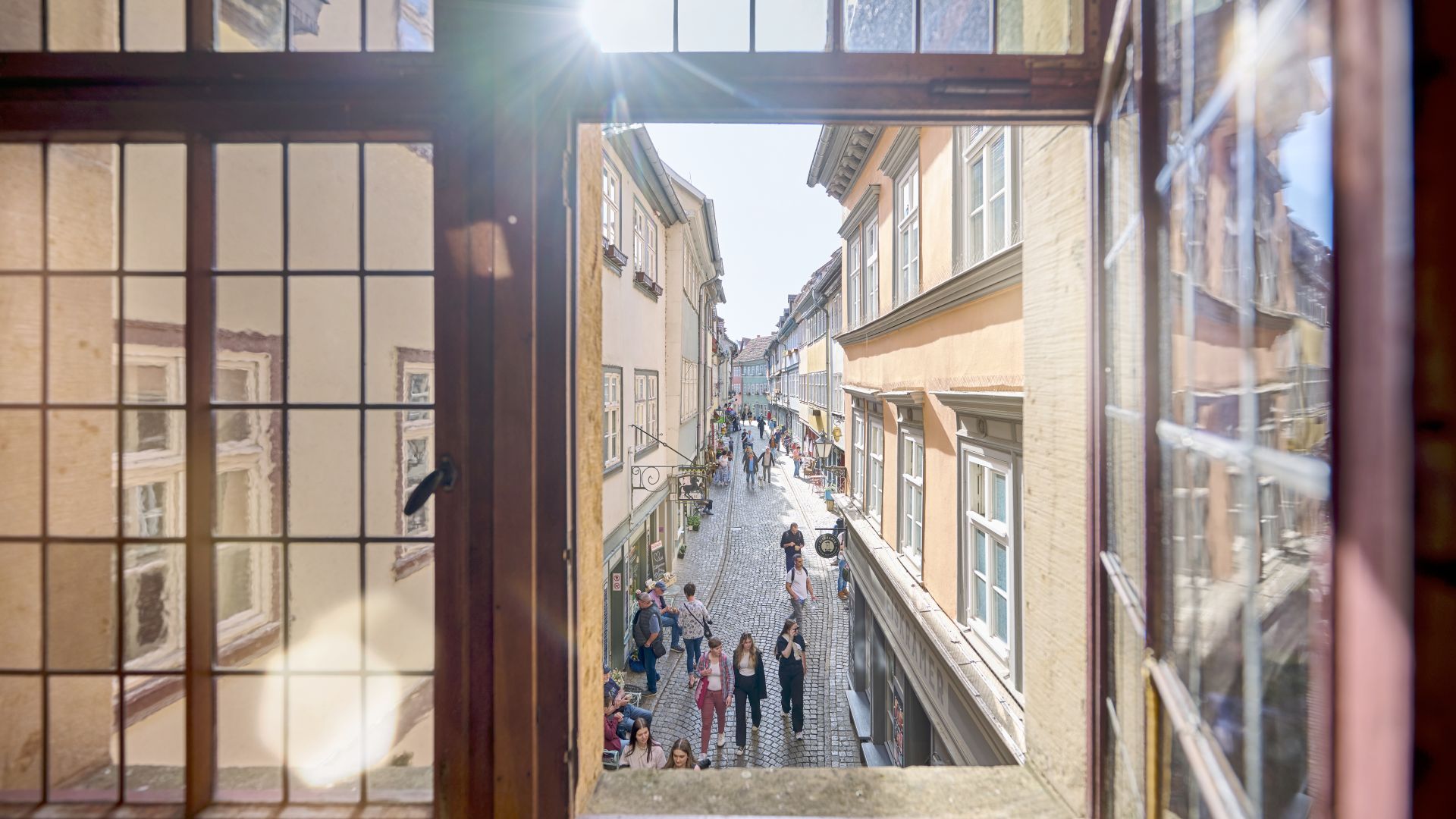 Old town
©DZT (Jens Wegener)
It's winter outside and pleasantly warm indoors – then suddenly every window is wide open. What's going on? "Stoßlüften"! Instead of leaving a window tilted open for hours, Germans often open their windows fully for a short burst of fresh air. For travellers, the first encounter with this habit can come as a surprise. But in holiday apartments, guesthouses and other accommodation, this quick exchange of air can soon become part of the daily routine. And afterwards? Windows closed, heating on – and back to feeling cosy.
Shoes off, slippers on
At the front door, a small German dilemma begins: keep your shoes on or take them off? When in doubt, just ask. In many private homes, outdoor shoes are neatly lined up in the hallway, while slippers, felt house shoes or thick socks take their place. Travellers can experience this cosy indoor feeling particularly well when their accommodation becomes part of the holiday experience: in a rural holiday apartment, a mountain hut or a small guesthouse. Hiking boots off, slippers on – and the evening already feels a little more like home.
"Feierabend": The other part of the day begins
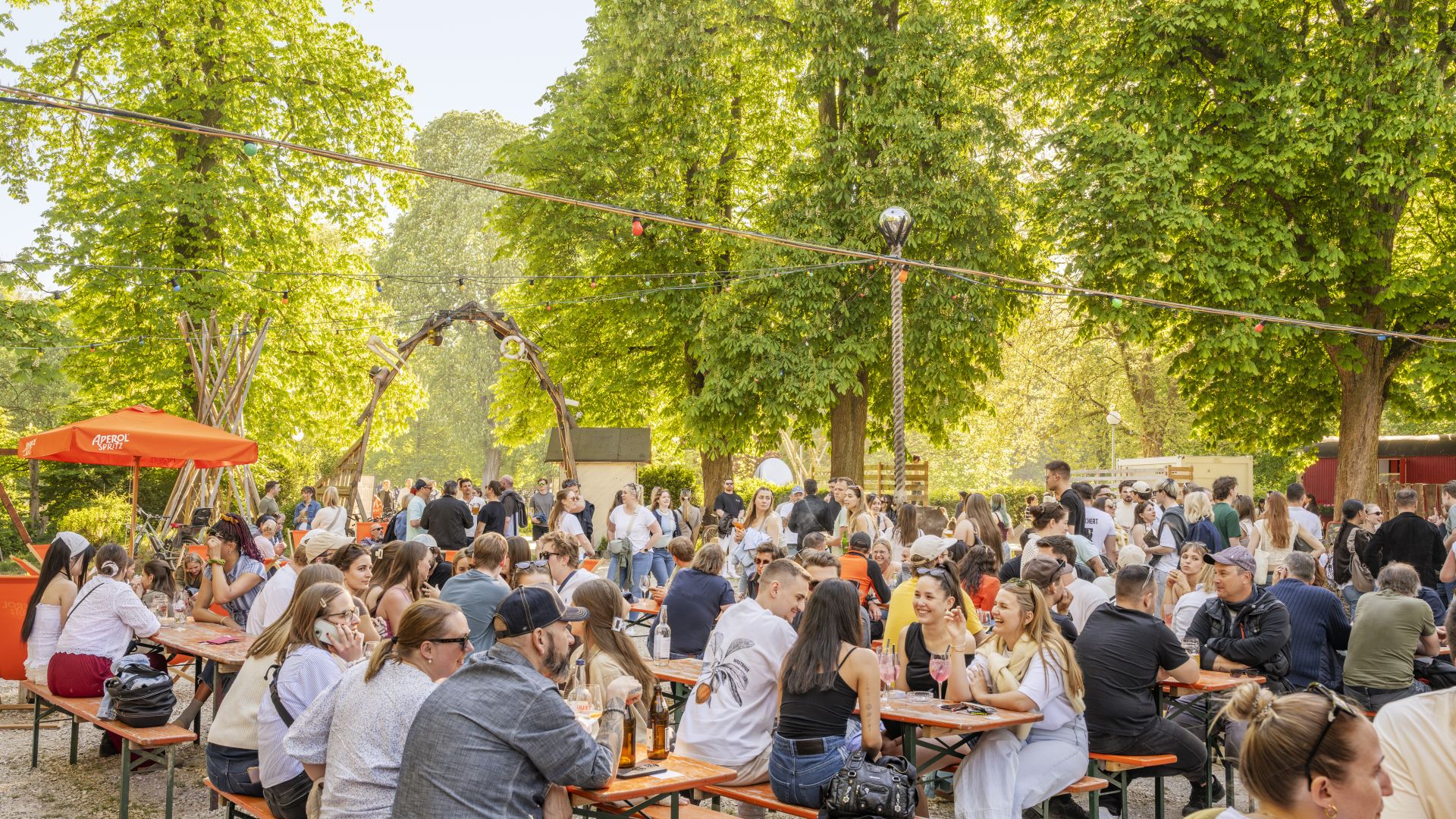 Beer garden on the banks of the Danube in Ulm
©DZT (Dagmar Schwelle)
Few German words capture the transition from work to leisure quite as well as "Feierabend". The laptop closes, work is left behind and the evening belongs to other things. That doesn't necessarily mean heading straight home. In Cologne and Düsseldorf, traditional breweries fill up; in southern German cities, people gather in beer gardens; and in wine regions, seasonal wine taverns welcome guests. In the Ruhr region, stopping for a drink at a "Trinkhalle", a traditional kiosk, is part of everyday urban life. If you want to get to know daily life in Germany, there is one important word to remember: "Feierabend".
"Abendbrot": A slice of Germany
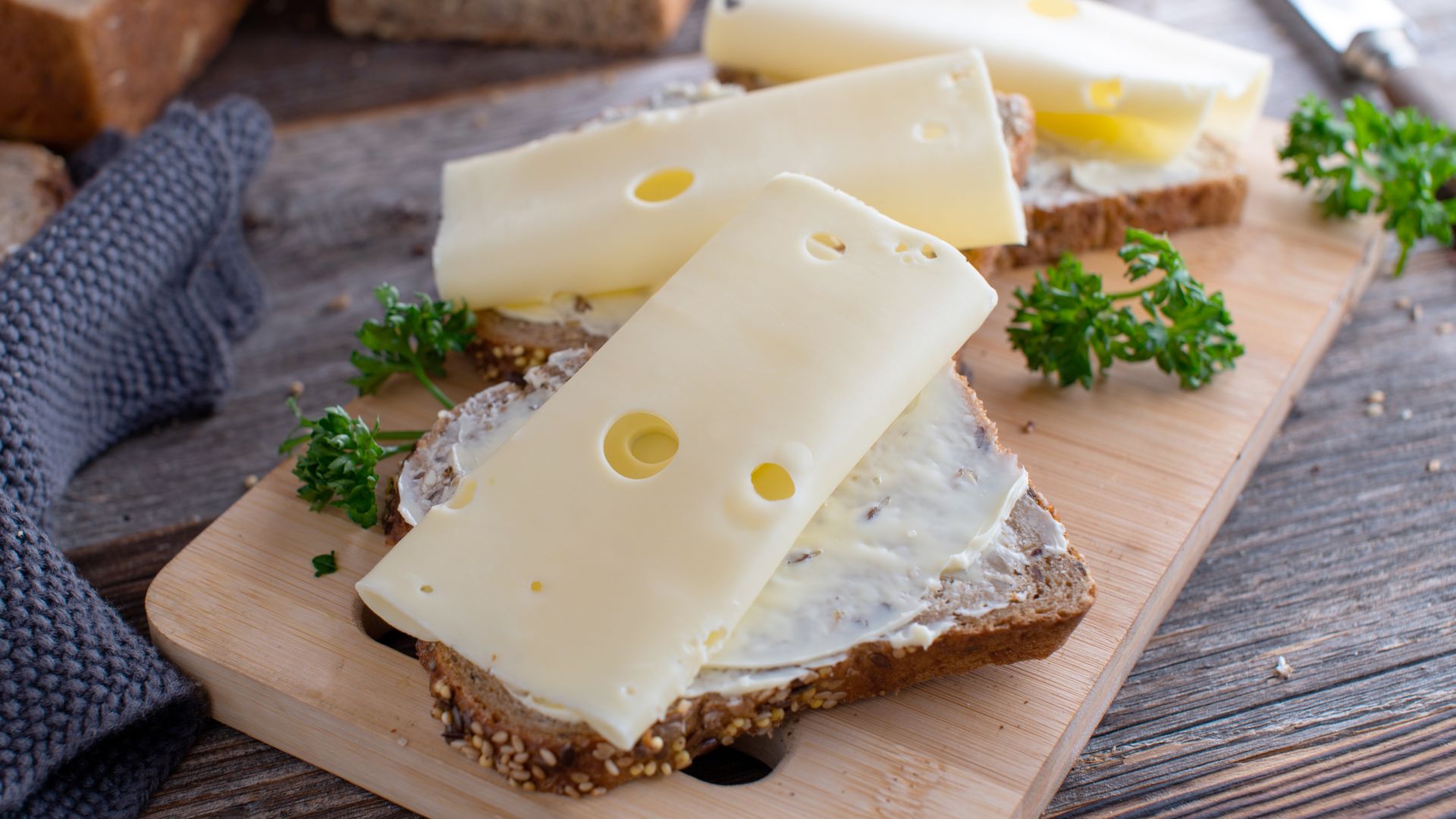 Whole-grain bread topped with Emmental cheese
©AdobeStock (Angelika Heine)
The name tells you almost exactly what is on the table: bread. Add butter, cheese, cold cuts or vegetarian spreads, perhaps some cucumber, tomatoes and pickles. The traditional German evening meal, "Abendbrot", offers a direct introduction to the country's remarkably diverse bread culture. In 2014, the German Commission for UNESCO added German bread culture to the national inventory of intangible cultural heritage. Regional ingredients, grains and baking methods have produced an impressive variety. So, if you come across an artisan bakery on your travels, why not try more than one type of bread? After all, Germany can be discovered one slice at a time.
Sunshine outside? Time for a barbecue
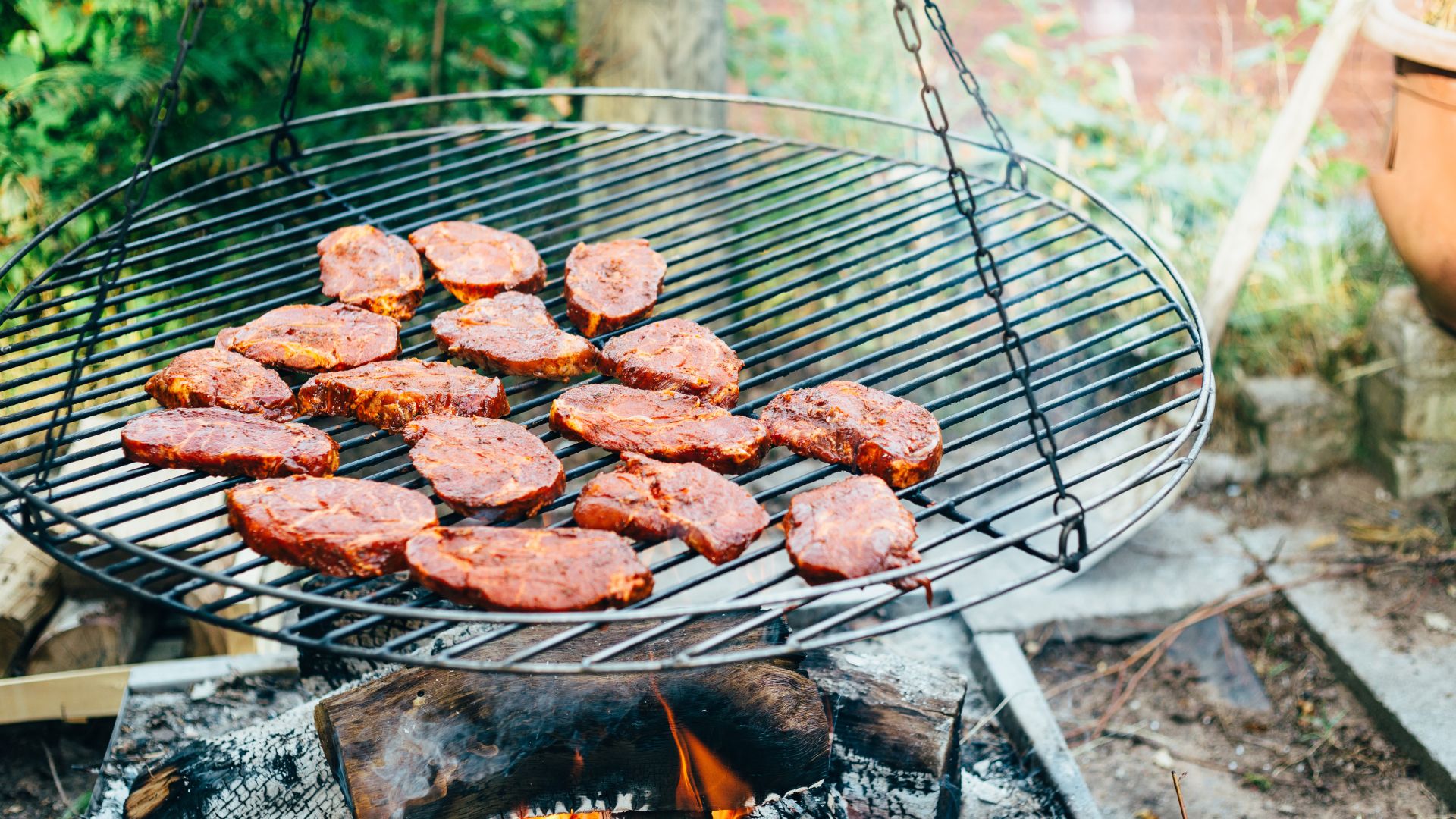 Grill swivel with meat
©AdobeStock (frankjayhoffmann)
20 degrees and sunshine? The first mild days can transform parks and riverbanks surprisingly quickly. Picnic blankets appear, bicycles lie on the grass – and somewhere, the smell of food on the barbecue fills the air. In Germany, barbecuing isn't limited to private gardens. Many cities have public or designated barbecue areas in parks and recreational spaces. However, it's worth checking local regulations first, as barbecues may be prohibited during dry weather. Once you've found an approved spot, you don't need much for a taste of local summer life: something to eat, a blanket and plenty of time.
Christmas season means Christmas market season
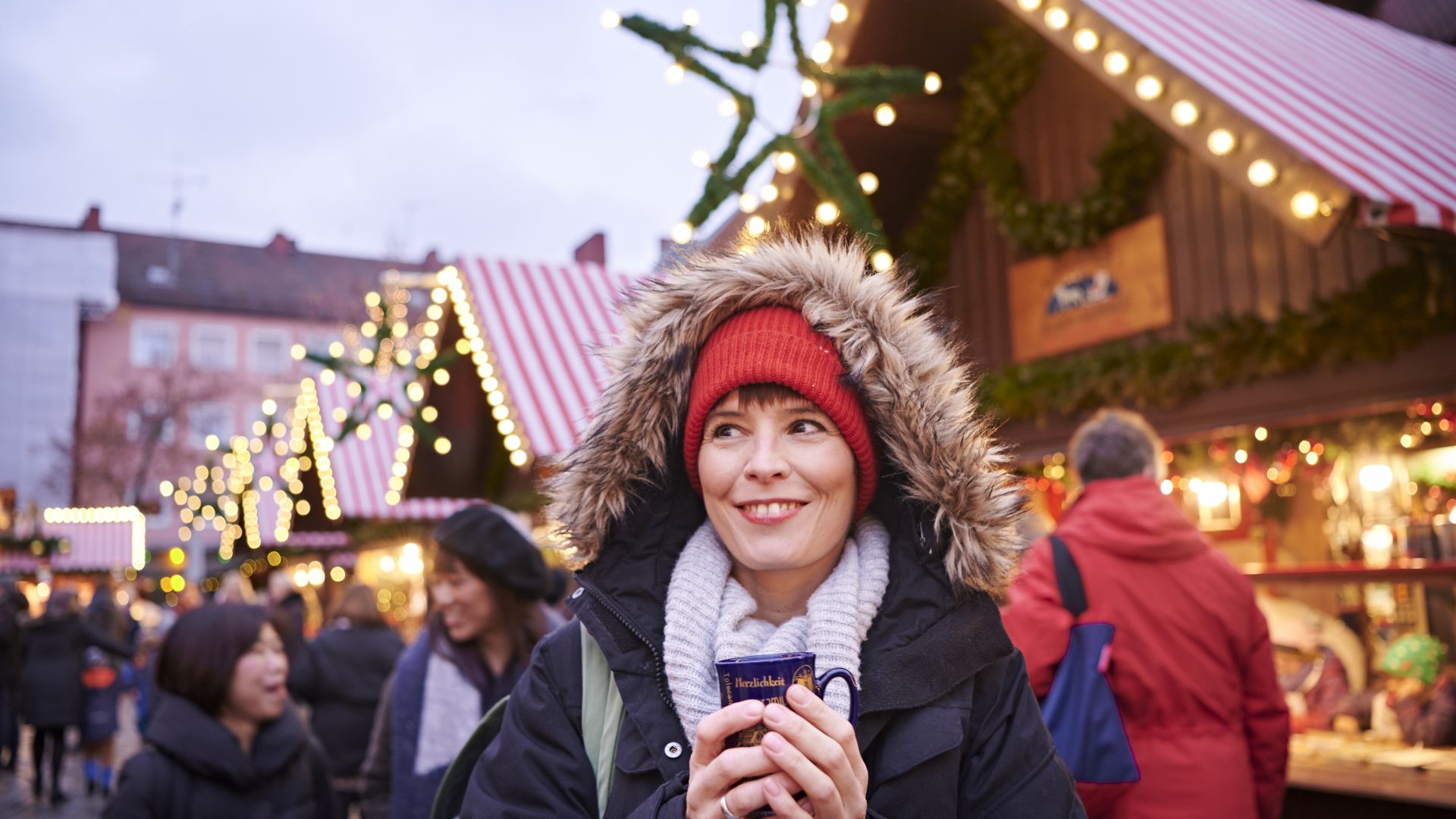 Nuernberg: Christmas market;Nuremberg: Christkindlesmarkt
©DZT (Jens Wegener)
Why would anyone voluntarily stand outside in freezing temperatures? Because the air smells of roasted almonds, mulled wine keeps you warm and another regional speciality awaits at the next stall. Christmas markets are part of Advent in Germany – and come in a surprising variety of forms. In Nuremberg, the earliest documented evidence of the Christkindlesmarkt dates back to 1678. In Gengenbach in the Black Forest, the town hall itself becomes an Advent calendar: its 24 windows are opened one by one during Advent to reveal works of art. A visit to a Christmas market can quickly turn into a little journey across Germany. Whether set in a historic market square, against a castle backdrop or shaped by regional traditions, the question eventually becomes not whether to visit a Christmas market, but which one to explore next.
The Sunday egg gets its own little cup
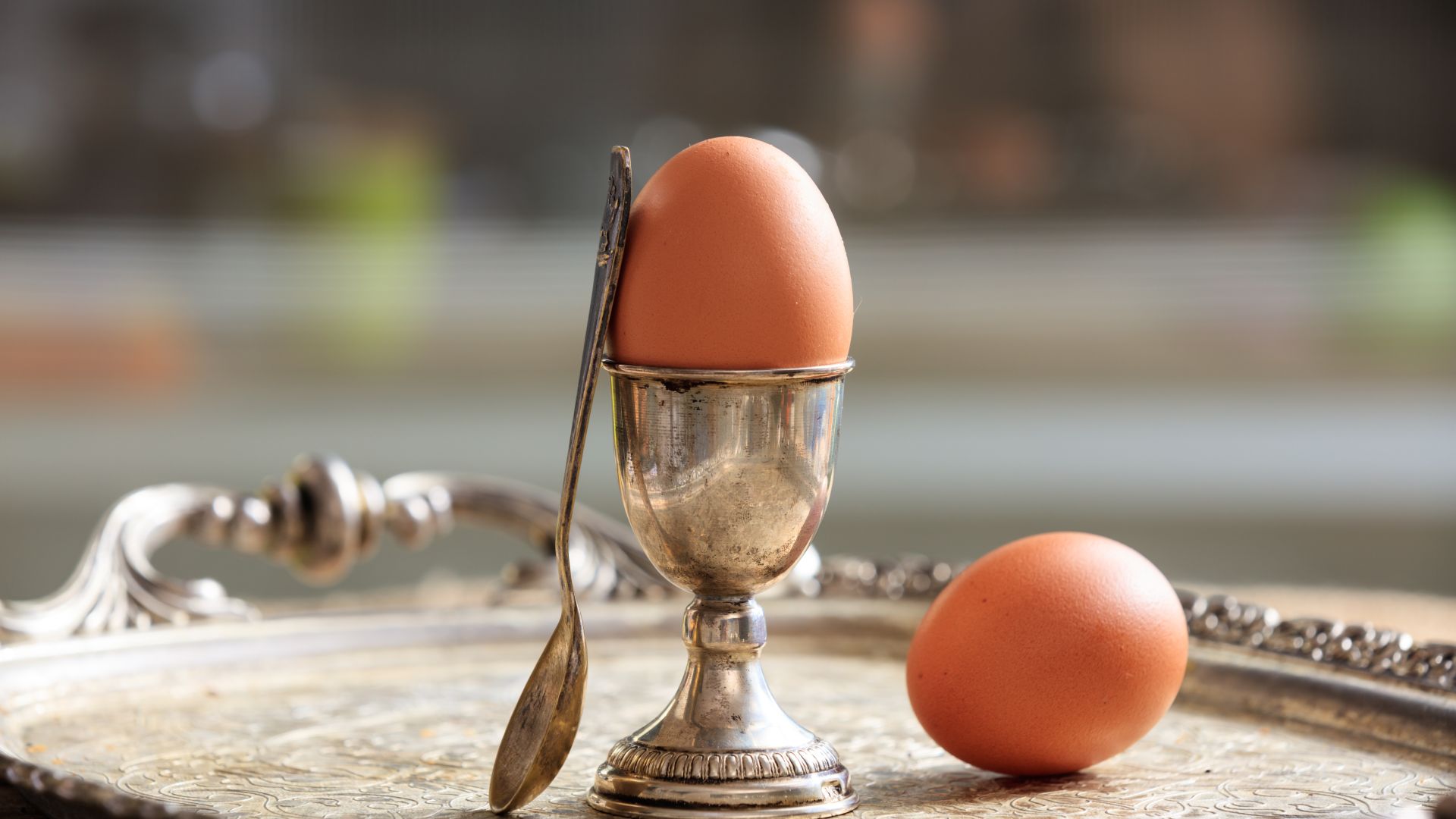 Egg cup and egg
©AdobeStock (Rawf8)
During the week, breakfast can be a practical affair. On Sundays, it often lasts a little longer. Fresh bread rolls from the bakery, jam, cheese, coffee – and right in the middle, a boiled egg sitting in its very own egg cup. A leisurely weekend breakfast is almost sacred: today, there's no need to rush anywhere. Travellers can easily adopt this little luxury. Instead of grabbing a coffee to go, simply stay seated a while longer. Many cafés and hotels serve extended breakfasts or brunch at weekends. There will still be plenty of time for a Sunday walk afterwards.
Sunday: Suddenly, everything gets quieter
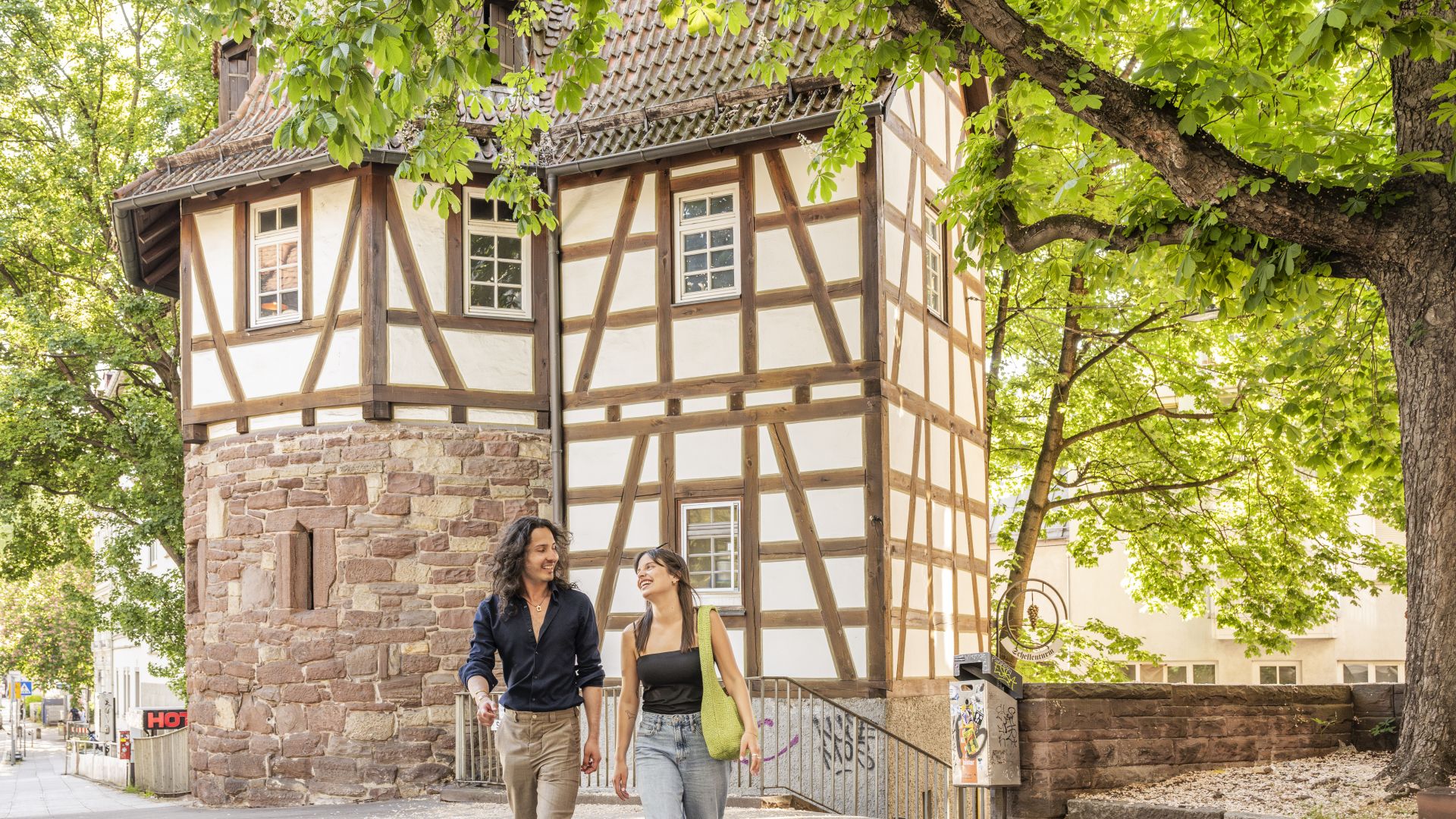 Walk through the bean quarter in Stuttgart
©DZT (Dagmar Schwelle)
After walking through crowded shopping streets on Saturday, the following morning can feel like a complete change of scene. Many shops are closed on Sundays, and everyday life takes on a different rhythm. This creates the perfect opportunity for another familiar ritual: the Sunday walk. There's no need for a spectacular destination. A stroll through a palace park, along a river, through an urban forest or around a historic old town is enough. Germany also has countless spa gardens, promenades and green spaces designed for taking things slowly. Just head out – with no to-do list.
Coffee and cake: An afternoon meal of its own
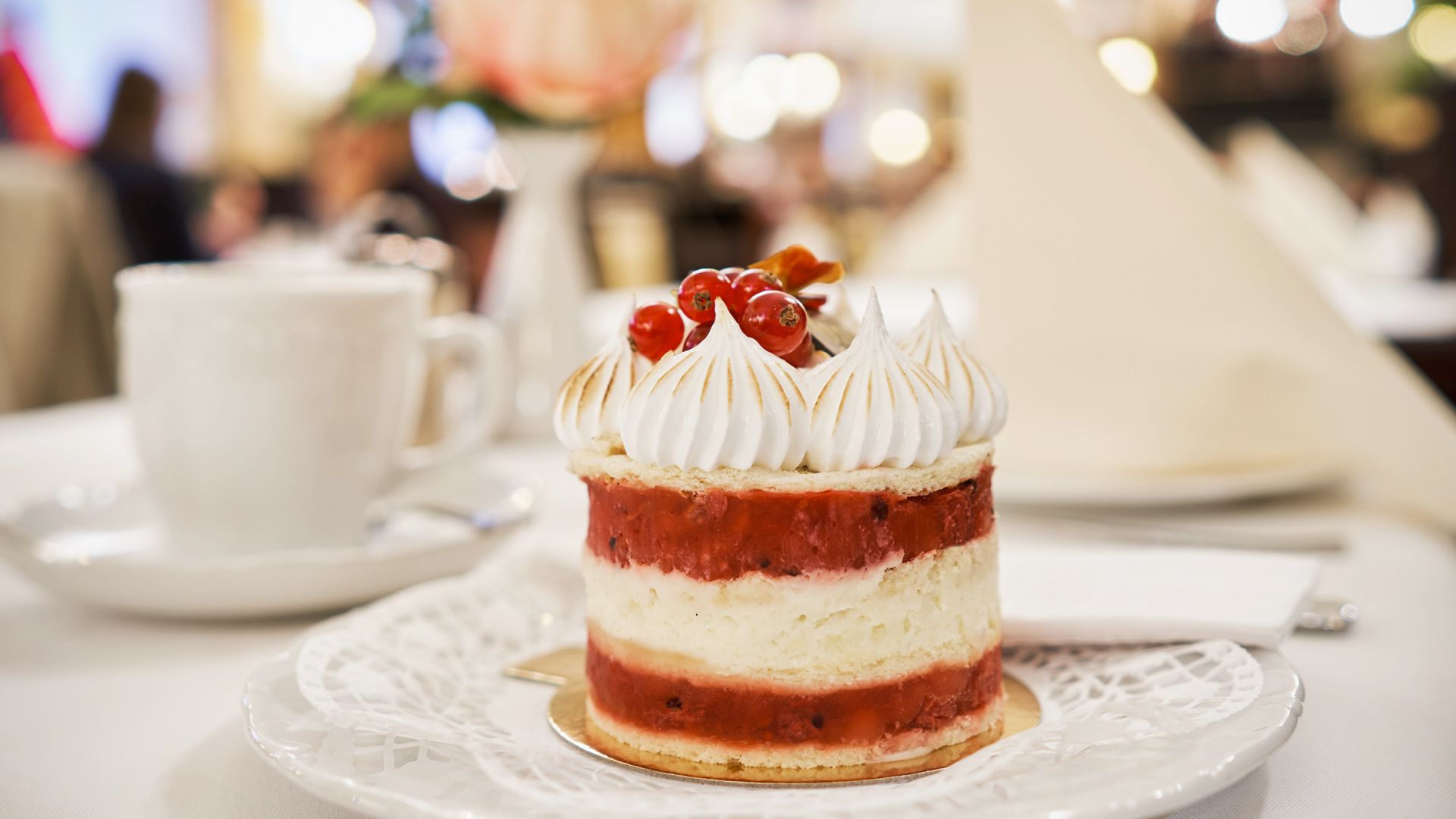 Coffee and cake at a café in Wiesbaden
©@WICM (Roger Richter)
Lunch is over, but dinner is still hours away? That's what "Kaffee und Kuchen" – coffee and cake – is for. Especially at weekends, this combination is a favourite when visiting family or friends, and it's easy to try while travelling. Traditional cafés and pastry shops tell regional stories through their cakes: Black Forest gateau in southwest Germany, Dresden Eierschecke in Saxony or Baumkuchen, a layered cake particularly associated with Salzwedel in Saxony-Anhalt. The ritual works best after number eight: first enjoy a long walk, then settle into a cosy café. After all, even a Sunday deserves a little structure.
Sunday, 8:15 pm: Time for Tatort
For decades, a large television audience has settled down to a crime story at 8:15 pm on Sunday evenings. Tatort isn't set in just one place: different detective teams investigate cases in cities and regions across Germany. Along the way, the crime series has become an unusual map of the German-speaking world. If you'd like to try this ritual while travelling, look out for pubs or cultural centres that organise communal screenings of individual episodes. And if you can't find one? The Sunday tradition works just as well from your hotel room. Many cities also offer special guided tours of filming locations from the series.
Waste sorting: Now where does the lid go?
Paper, packaging, organic waste, general waste, glass: faced with several different bins, even an empty yoghurt pot can suddenly become a puzzle. Sorting waste is part of everyday life in Germany, although collection systems can vary from place to place. For travellers, the labels on local bins are therefore more helpful than assuming the same rules apply everywhere. Another distinctive feature awaits in supermarkets: many drink containers are covered by a deposit system known as "Pfand". Return a bottle or can with a deposit, and you get your money back. This small everyday experience offers a glimpse into how packaging and resources are managed.
Stop on red, go on green: Traffic light figures with local character
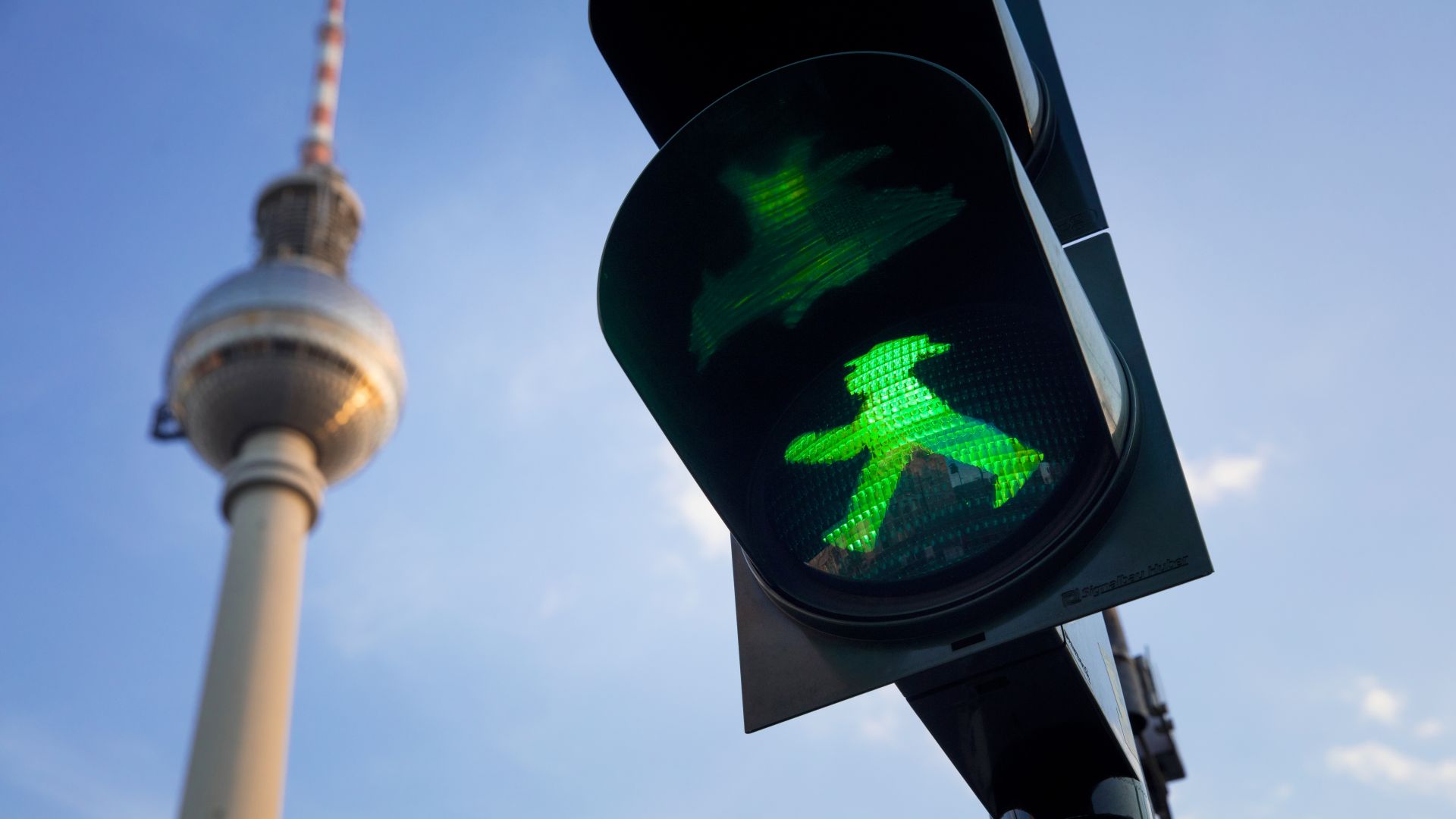 Berlin: Green traffic light man with television tower in the background
©Adobe Stock (Electric Egg Ltd.)
The road is empty, with not a car in sight – but the pedestrian light is red. So you wait. Rules are rules, after all. Look up, though, and you'll discover a surprisingly entertaining side of Germany's love of order. In many places, pedestrian traffic lights have developed their own local character. In Berlin, you'll encounter the iconic East German "Ampelmännchen" wearing his little hat. In Mainz, one of the "Mainzelmännchen" – six fictional cartoon characters from German public broadcaster ZDF – even takes charge of pedestrian crossings. Since 2016, the character Det has appeared in red and green at several locations around the city. Suddenly, an ordinary traffic signal becomes a little sightseeing attraction. Very German? Perhaps it's this combination: patiently waiting at a red light while taking a closer look at who's telling you when to cross.
"FKK": Swimwear optional
At a swimming lake or Baltic Sea beach, a sign marked “FKK” indicates that different rules about clothing apply. "Freikörperkultur", or naturism, has a long history in Germany and developed a particularly strong tradition in eastern Germany. For travellers, it's less unusual than it might first appear: in designated naturist areas, nudity is treated as something natural, not as an invitation to stare. Those who prefer swimwear will find plenty of other beaches. If you'd like to try FKK, follow the signs and respect everyone's privacy – especially when taking photographs.
"Zwischen den Jahren": The pause after Christmas
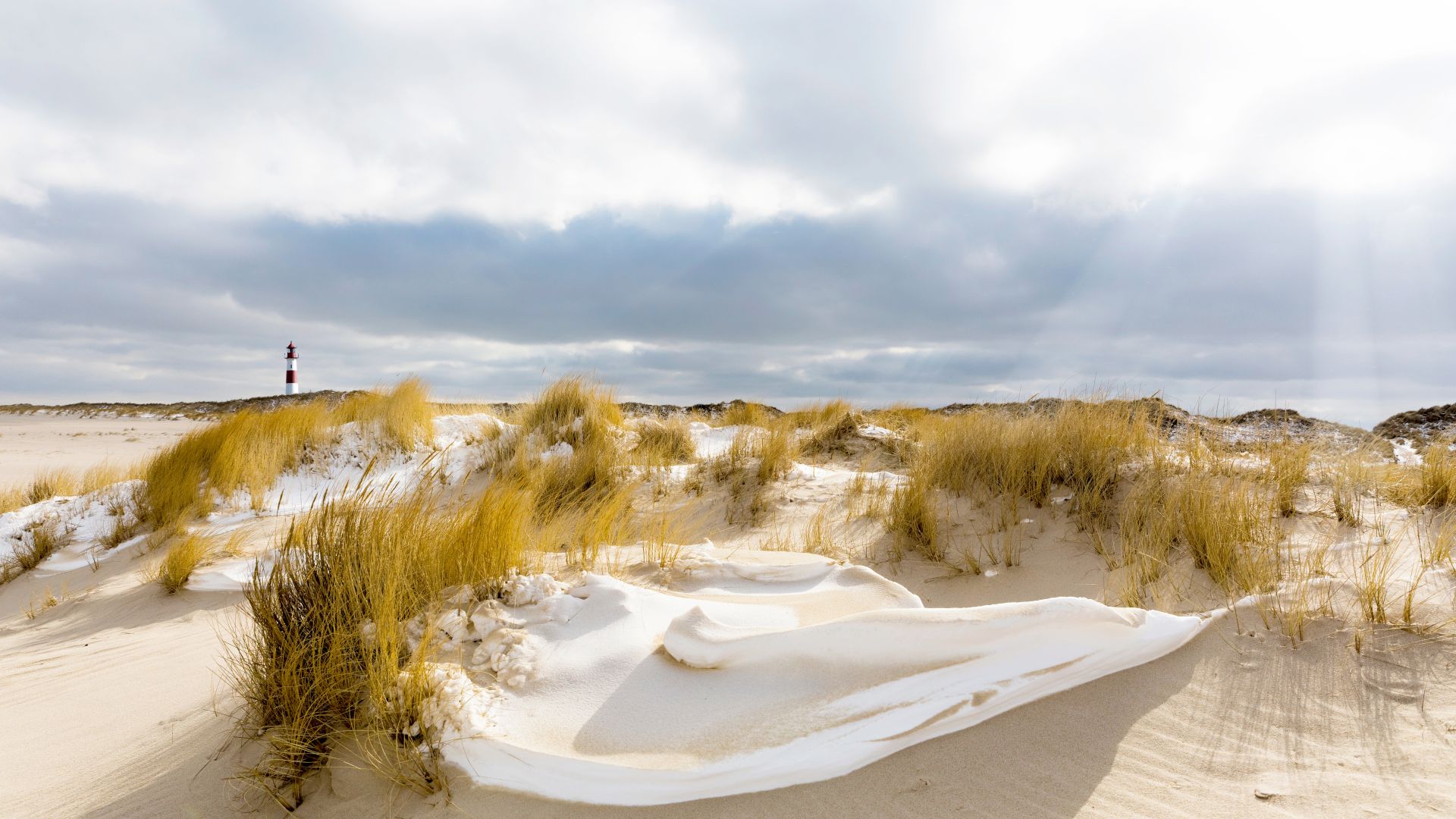 Sylt: Snow on the beach with lighthouse in the background
©AdobeStock (artfocus)
Christmas is over, but New Year's Eve hasn't arrived yet – and German has a special expression for the days in between: "zwischen den Jahren", literally “between the years”. The phrase suits the atmosphere. Everything seems to slow down, appointments become fewer and the calendar briefly loses its importance. This can be a particularly appealing time to visit Germany. Winter hiking trails, thermal baths and wellness resorts offer opportunities to unwind, while historic towns take on a wintry atmosphere. The North Sea and Baltic Sea coasts also reveal a completely different character away from the summer beach season. Put on a warm jacket, head outside – and afterwards, find somewhere cosy to warm up.