
Inspiring Germany
12 seasonal classics: a year of delights in Germany
From wild garlic in spring to Federweißer in late summer and Stollen in winter: every season delights with dishes and treats that are only available in such abundance at this time of year. This calendar journey shows which regional and seasonal specialties can be enjoyed best where and when in Germany—whether at inns or at lively culinary festivals.
 Give “germany.travel” priority on Google
Slaughter festivals and kale season
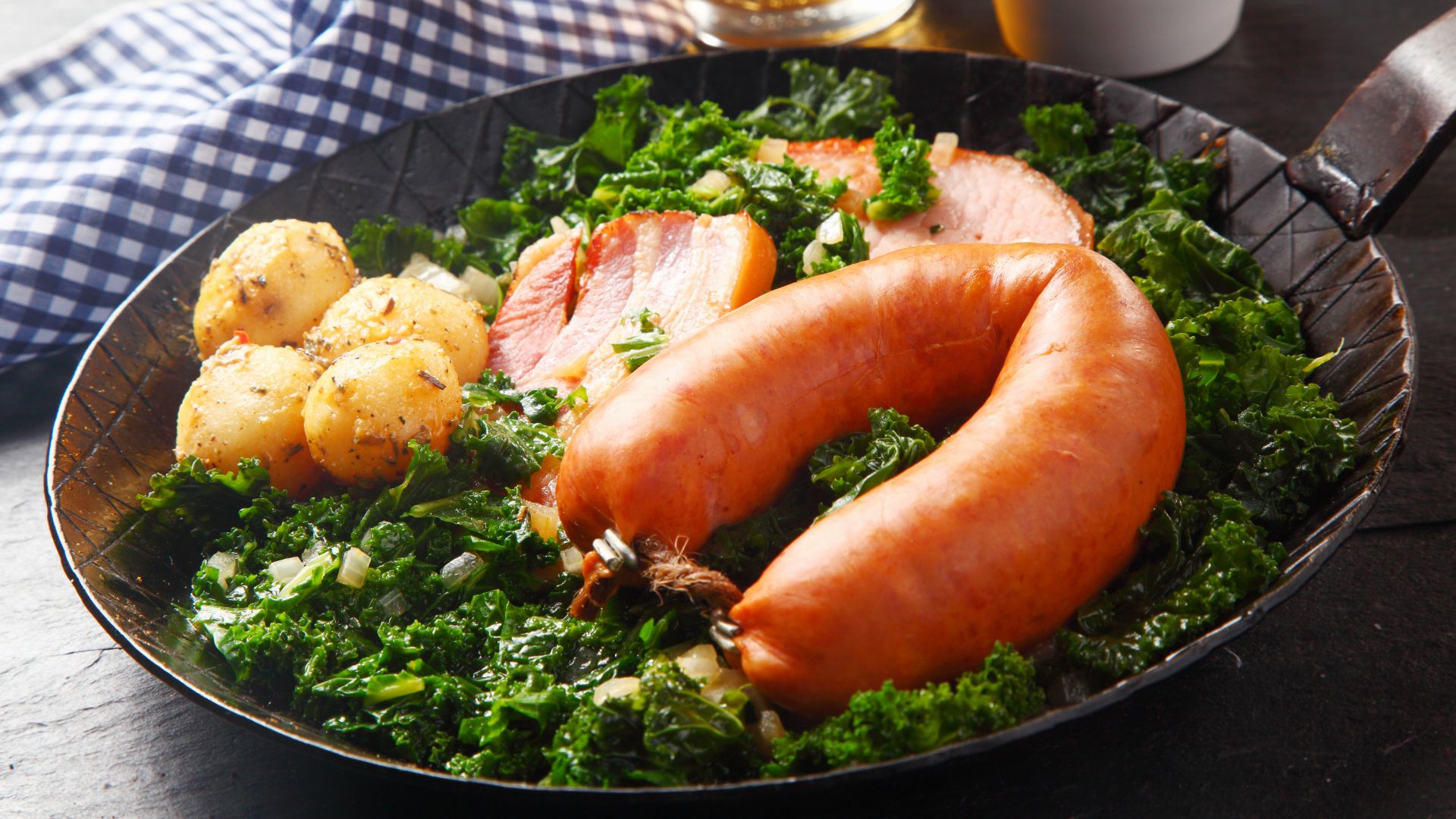 Kale dish
©Adobe Stock (exclusive-design)
Kale dish
©Adobe Stock (exclusive-design)
At the start of the year, the air in many parts of Germany is filled with the scent of smoke, cabbage, and bratwurst. No wonder—this is when the season of slaughter festivals and kale begins. Oldenburg is considered the stronghold of this culinary culture and has borne the nickname “Kohlfahrt Capital” since 2010. Alongside the namesake, the stars of the kale weeks are Kassler (smoked pork loin) and Pinkel, a smoked grain sausage. Colorfully dressed groups set off in handcarts on the legendary Kohlfahrt and celebrate the cold season with hearty specialties.
Sweets for carnival season
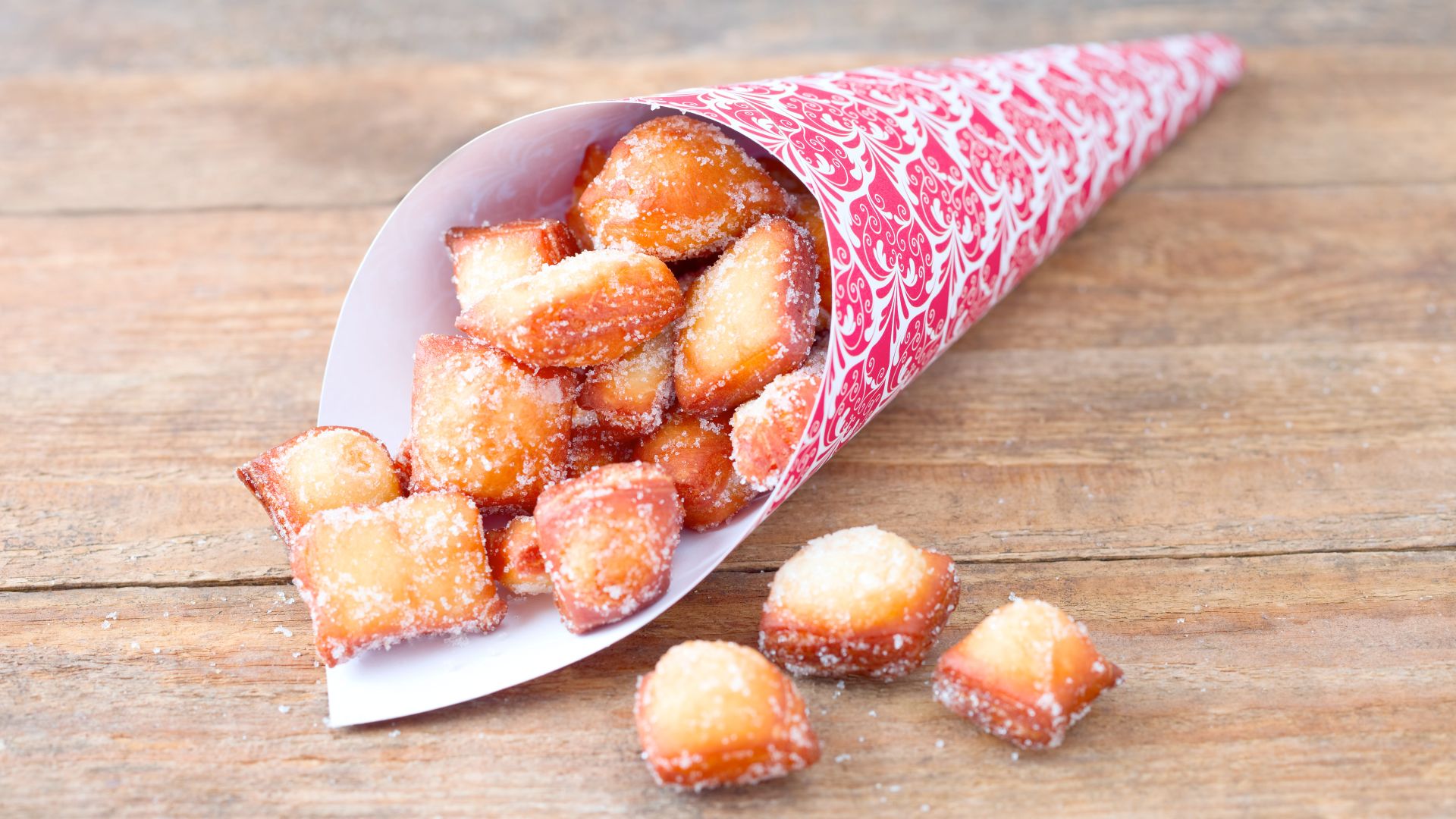 Mutzenmandeln in a bag
©AdobeStock (rainbow33)
Mutzenmandeln in a bag
©AdobeStock (rainbow33)
In February, Carnival takes over—and with it, sweet temptations. In the Rhineland, revelers particularly love to munch on Muuzenmändelche, small fried almond pastries that are a must on every Carnival table. And not just around Cologne and Düsseldorf, the air is filled with the scent of Berliners filled with jam, vanilla cream, or egg liqueur. During “Fat Week,” many bakeries offer even more treats so you can indulge one last time before Lent.
Wild garlic and spring herbs
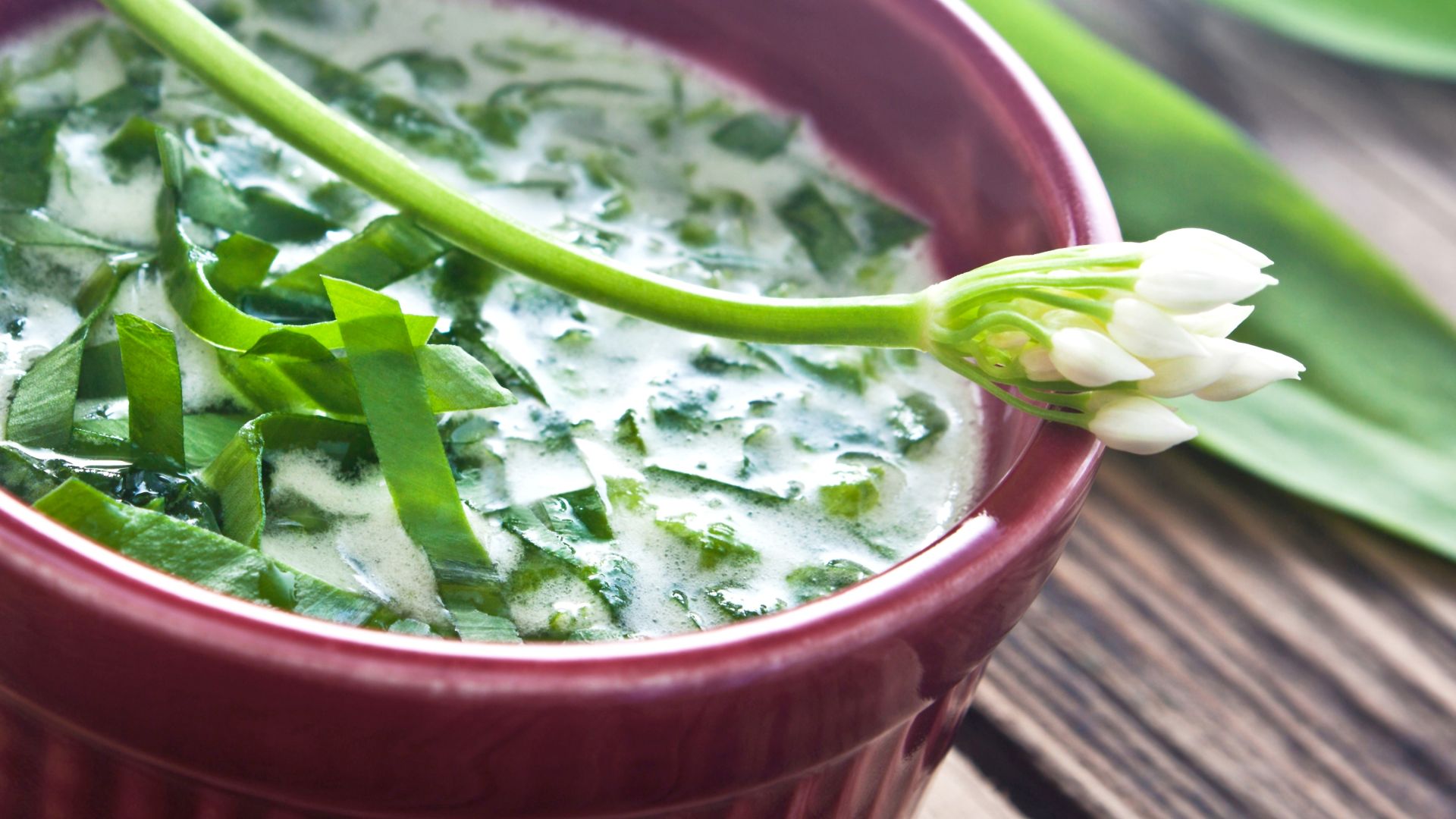 Wild garlic and herb soup
©AdobeStock (PhotoSG)
Wild garlic and herb soup
©AdobeStock (PhotoSG)
In spring, as nature awakens, so does the craving for fresh herbs. This is also true in the Swabian Alb, where aromatic wild garlic sprouts in sparse forests around Albstadt. Freshly picked, it adds a kick to many Swabian classics, enhancing Spätzle, Maultaschen, soups, and pestos. The Herb Weeks program features refined menus served at many inns. Herb walks and lectures introduce ancient medicinal and culinary plants.
A toast to asparagus
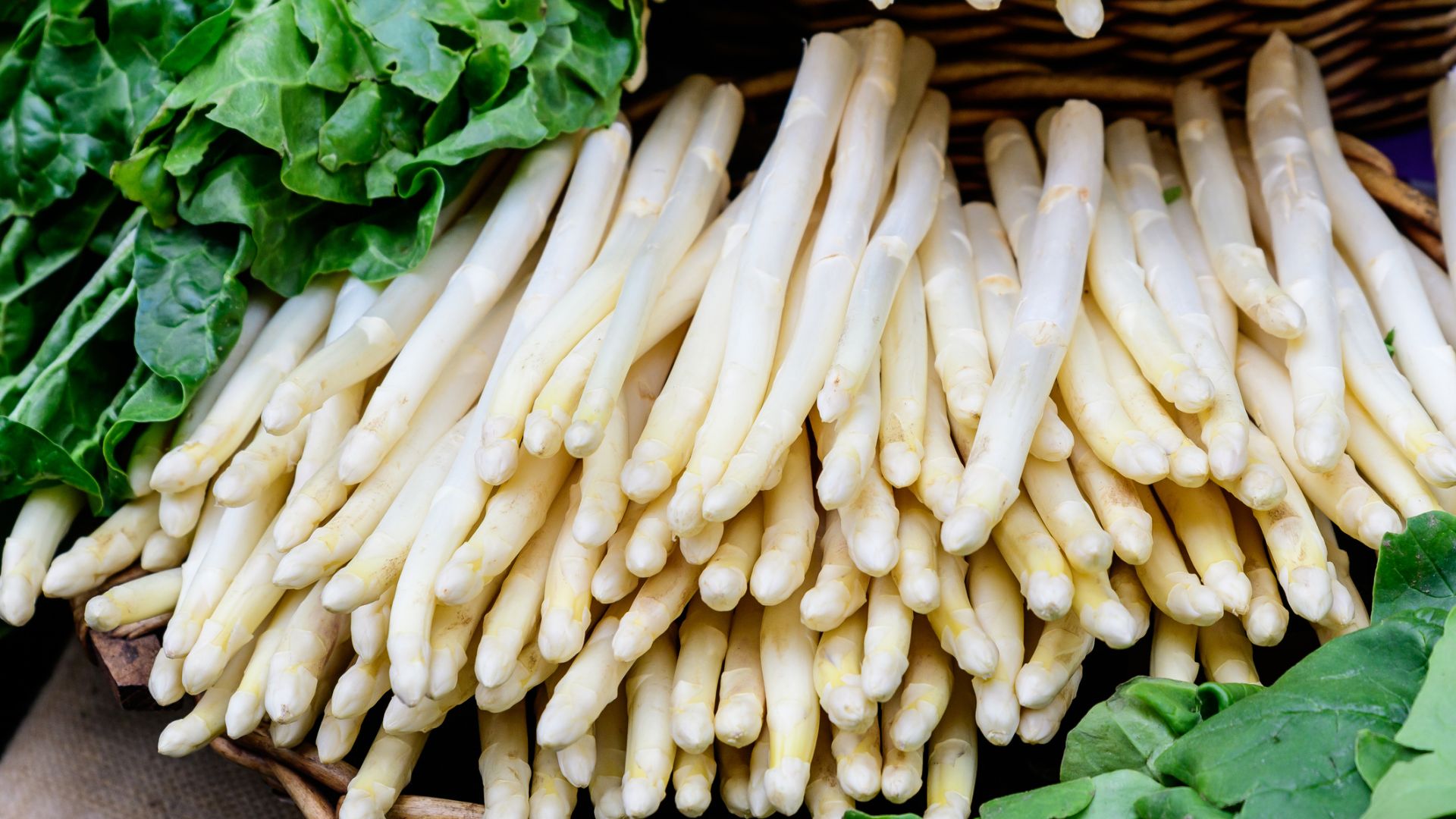 White asparagus displayed for sale
©Getty Images (Cristina Ionescu)
White asparagus displayed for sale
©Getty Images (Cristina Ionescu)
For many food lovers, the fourth month of the year is the fifth season, as the short but delicious asparagus season begins. Around Beelitz, the asparagus town south of Berlin, farmers now harvest the tasty vegetable daily from the sandy soils. Restaurants entice with menus featuring freshly harvested produce, while asparagus farms offer carriage rides through the fields. The highlight is the Beelitz Asparagus Festival with market stalls, music, and the crowning of the Asparagus Queen.
Strawberries and spring wines
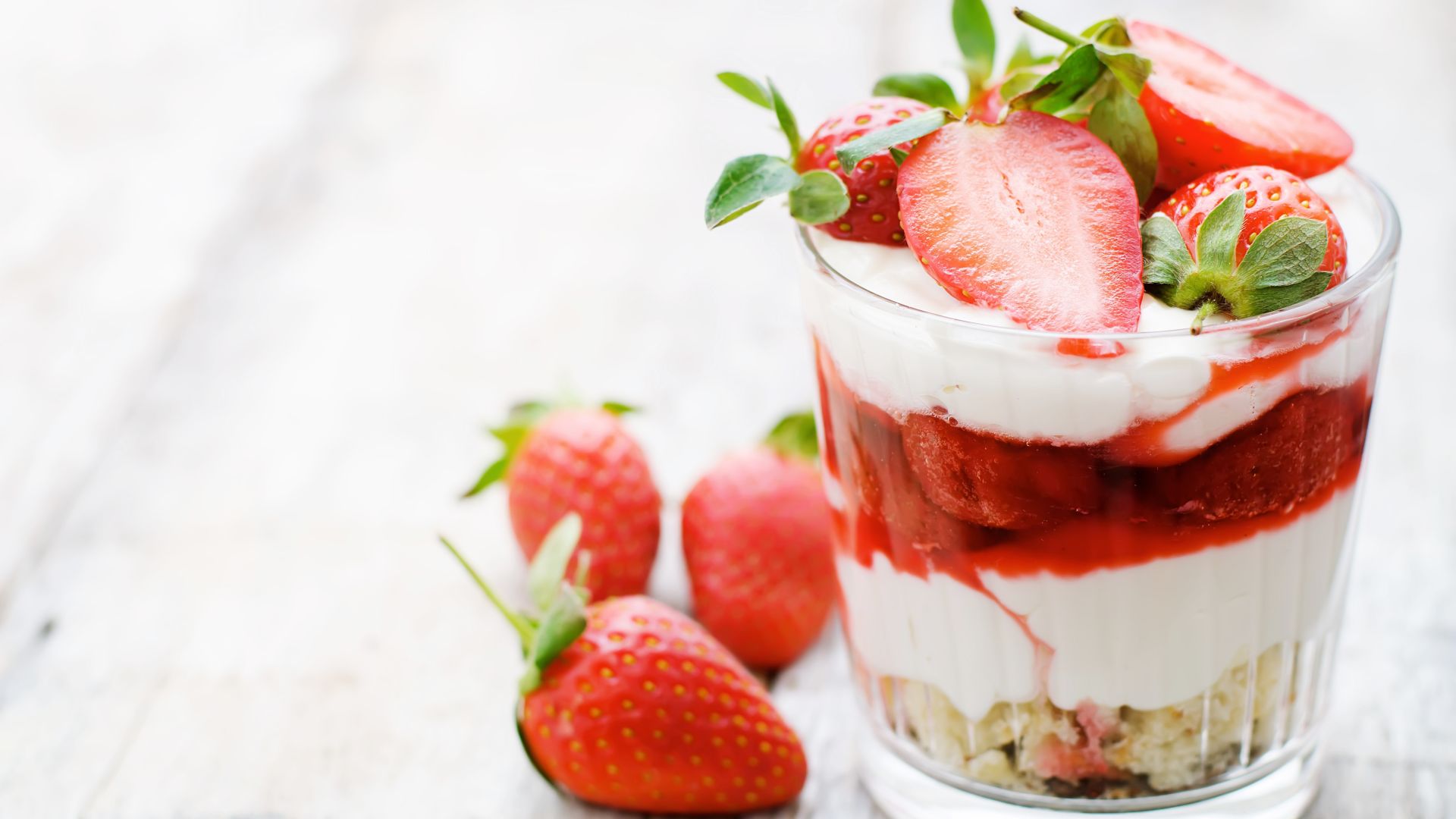 Strawberry dessert
©AdobeStock (nata_vkusidey)
Strawberry dessert
©AdobeStock (nata_vkusidey)
The merry month of May is associated with plenty of sunshine, blooming meadows, and strawberries. Along the Southern Wine Route, wineries and wine taverns open their doors. Music fills the air among the vines and half-timbered houses, and fruits from the fields beckon everywhere. Strawberry cakes, parfaits, and fruit punch are served—including at the many regional markets. These pair perfectly with the first rosés and light spring wines, which celebrate the start of the season with fresh acidity and fruity notes.
Street food and beer gardens
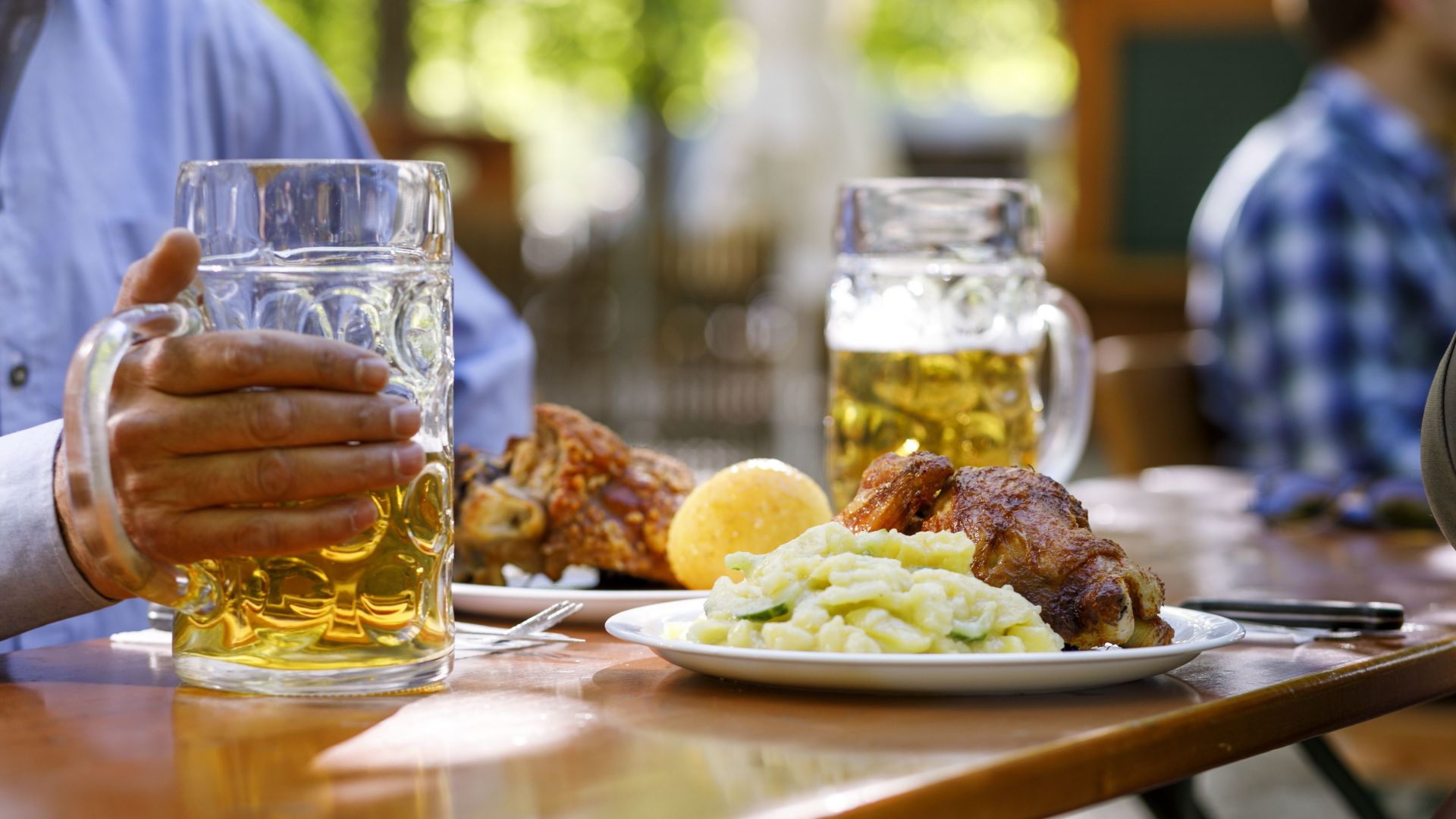 Munich: Traditional meal, knuckles and a measure of beer
©München Tourismus (Christian Kasper)
Munich: Traditional meal, knuckles and a measure of beer
©München Tourismus (Christian Kasper)
By early summer at the latest, the culinary experience largely shifts outdoors: street food markets and beer gardens are in full swing. In and around Munich, the cozy atmosphere includes a cool (shandy) mug, Obazda, and pretzels. Good to know: According to old beer garden tradition, guests are allowed to bring their own food. Street food festivals offer endless variety, from potato pancakes to currywurst and specialty fries.
Blueberry season
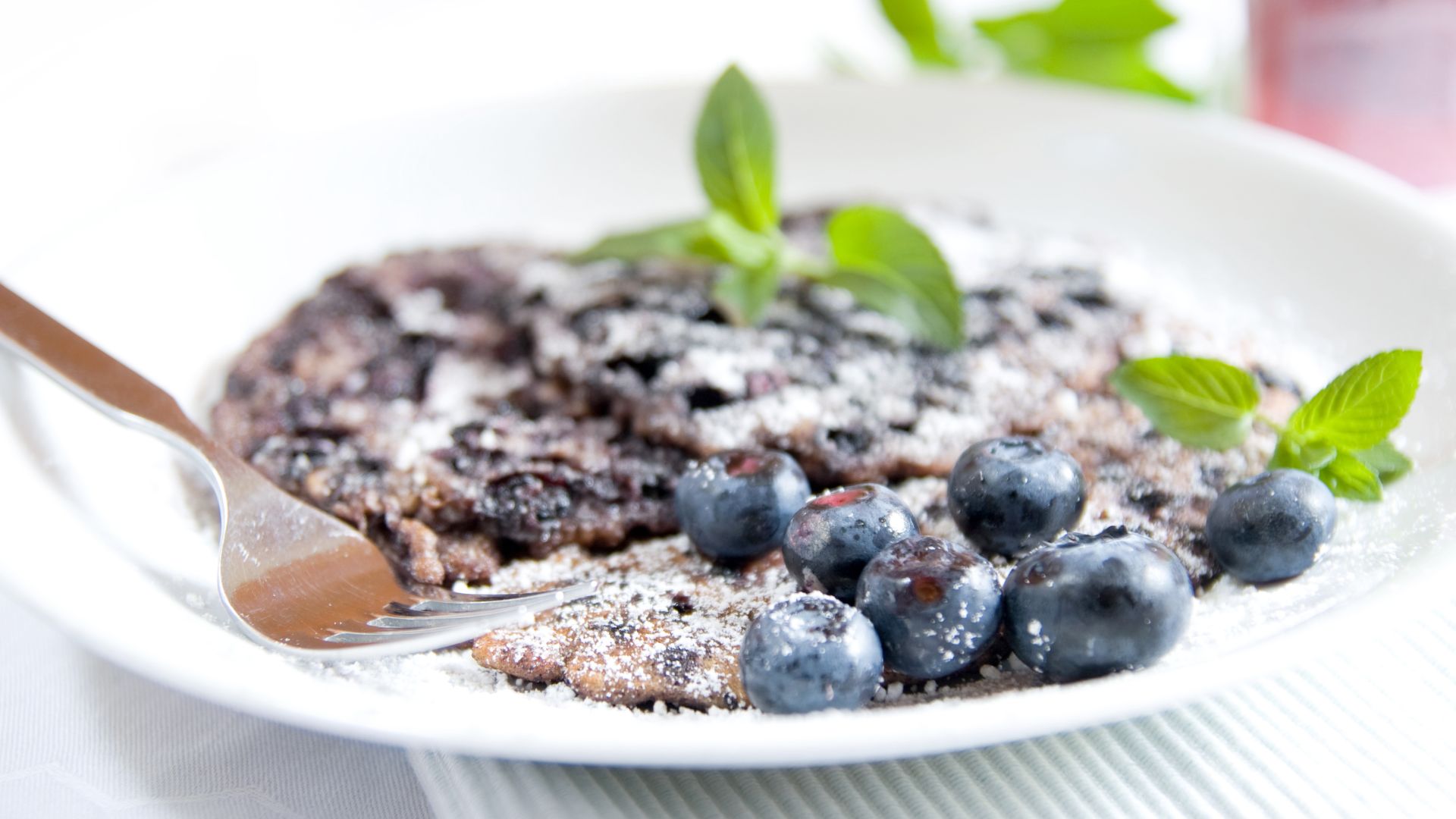 Blueberry pancakes
©AdobeStock (babsi_w)
Blueberry pancakes
©AdobeStock (babsi_w)
Summertime, berry time! In July, blueberry season is in full swing in the Lüneburg Heath. Those who wish can pick the berries themselves in the fields or visit blueberry and farm festivals. Here, just about everything related to the blue fruits is on offer, from stuffed pancakes and smoothies to jams, cakes, and liqueurs. Visitors also enjoy the summer evenings at wild game barbecues, where regional meats are prepared over an open fire.
Plums, onion cake and Federweißer
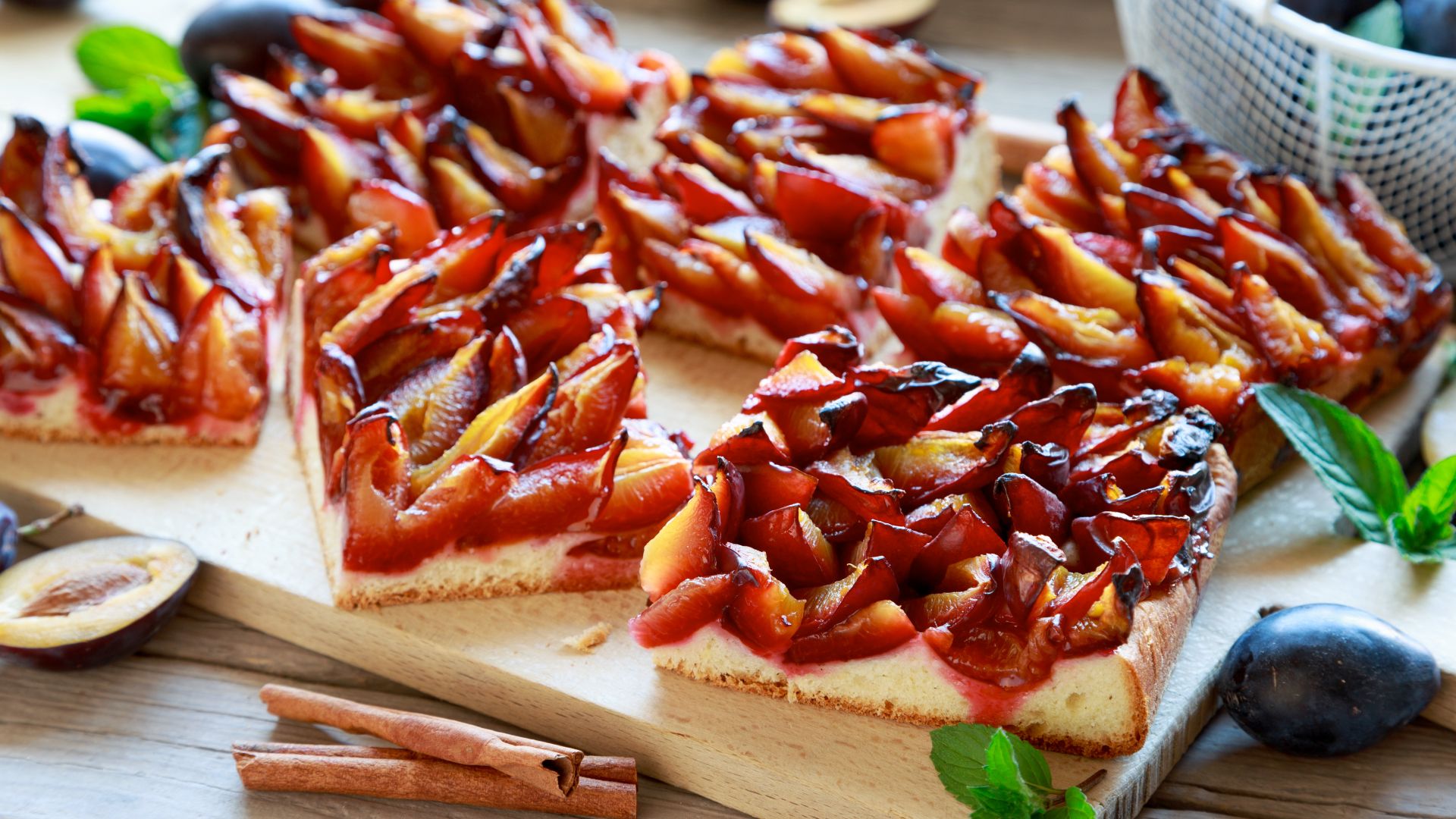 Plum cake from the tray
©Adobe Stock (Juefrateam)
Plum cake from the tray
©Adobe Stock (Juefrateam)
In August, late summer makes a delightful entrance in Rheinhessen: the plums are ripening, and the first Federweißer is bubbling fresh from the barrel. In many places, wine festivals—such as those in Ingelheim am Rhein, Alzey, and Worms—celebrate the start of the new season with cultural events and culinary delights. Plum cakes, steamed dumplings with compote, and game dishes with a fruity twist are highly sought after. However, Federweißer paired with oven-warm onion cake remains an unbeatable classic.
Pumpkins to eat and marvel at
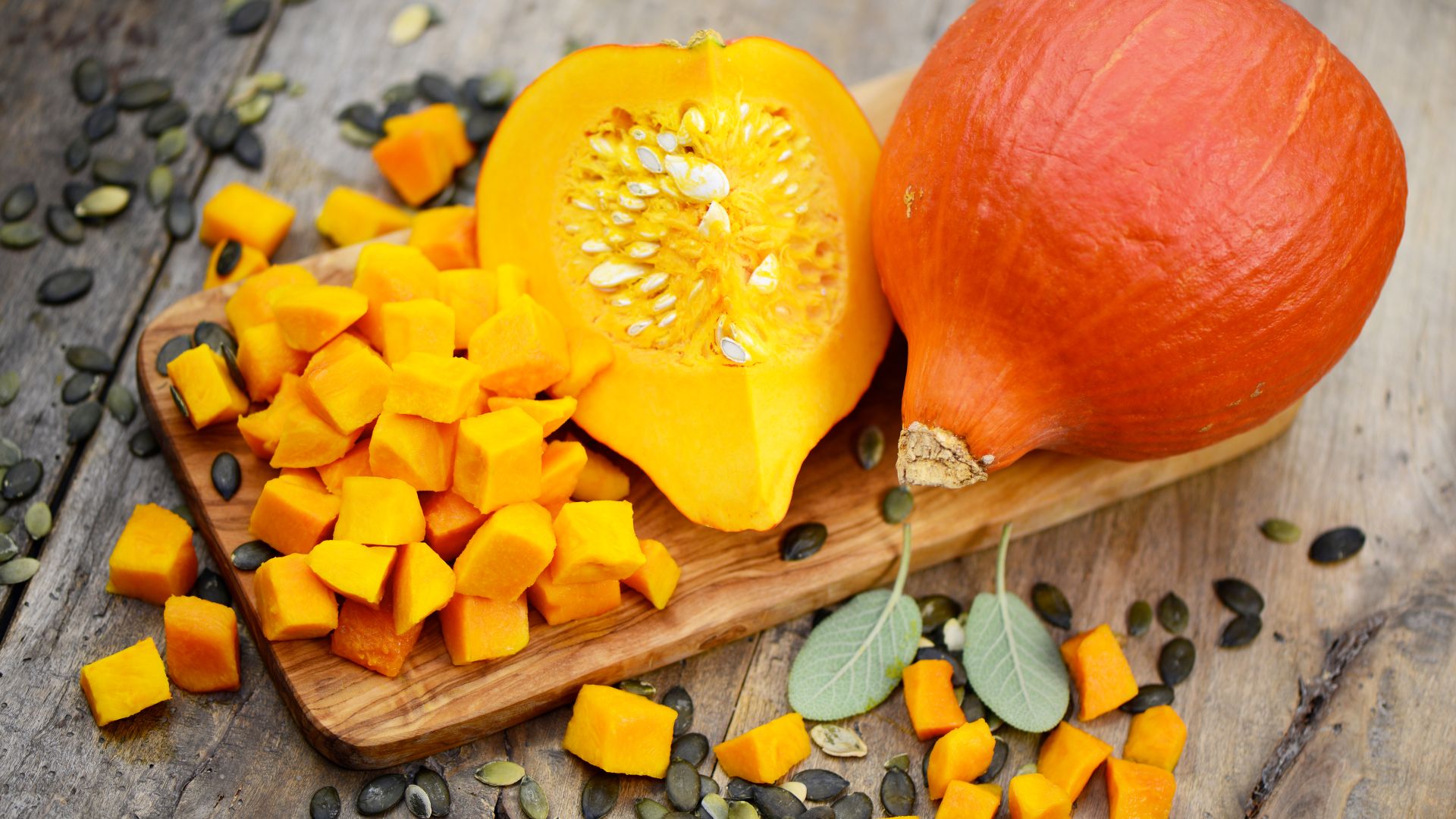 Hokkaido pumpkin
©Adobe Stock (photocrew)
Hokkaido pumpkin
©Adobe Stock (photocrew)
Let’s harvest! Now is the time when fields everywhere are being harvested, with the pumpkin playing a starring role, for example in and around Ludwigsburg. The result: restaurants are serving creamy pumpkin soup, pumpkin tarte flambée, or pumpkin gnocchi. These are accompanied by onion tarts, new wine, mushroom dishes, and apple desserts made from the fresh harvest. Tip: The pumpkin exhibition at Blühendes Barock is the largest in the world, featuring artistic sculptures made from thousands of pumpkins, changing themed worlds, and food stands.
Savory game, delicious wild mushrooms
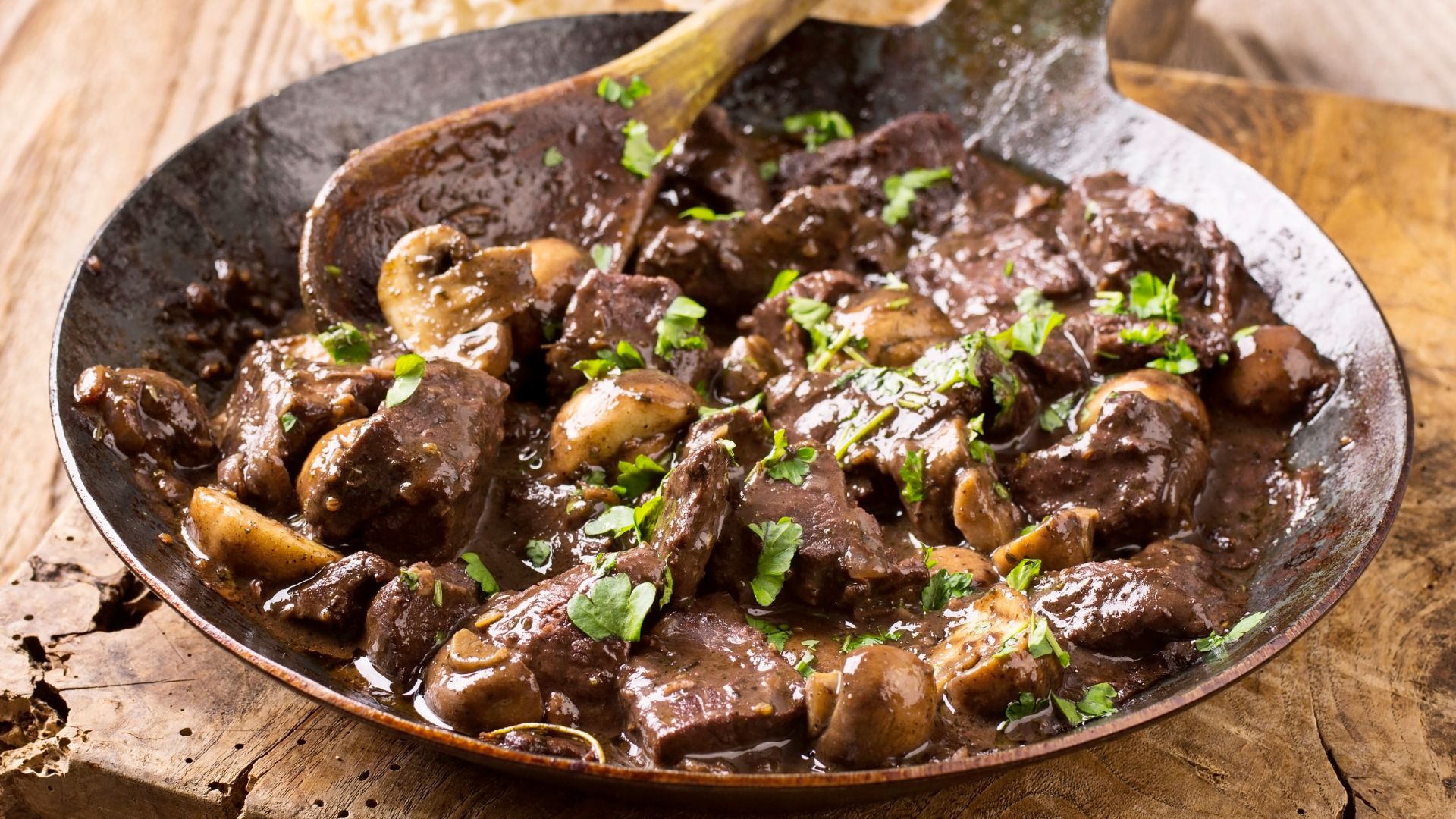 Venison stew with mushrooms
©AdobeStock (HLPhoto)
Venison stew with mushrooms
©AdobeStock (HLPhoto)
Fall is the season for all the delicious treats the forest has to offer, especially wild mushrooms and game. Central Europe’s largest contiguous forest area, the Bavarian Forest, is the premier destination for this. Several districts invite visitors to traditional game weeks, featuring mushroom hikes, cooking classes, and forest education. The menus at local inns feature roast venison, venison goulash, mushroom ragout, and autumnal game stews.
Goose is delicious!
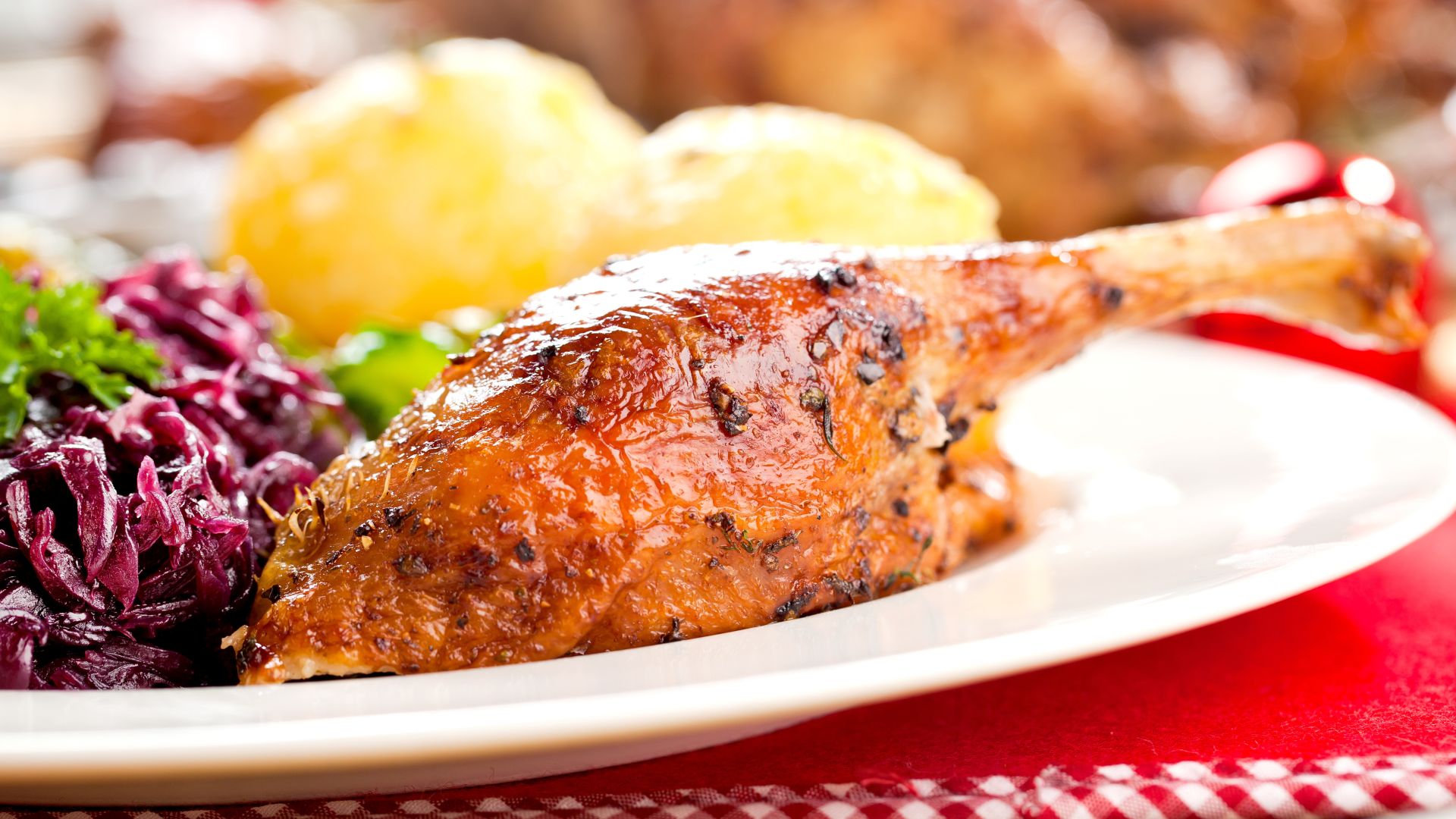 St. Martin`s goose with red cabbage and dumplings
©AdobeStock (karepa)
St. Martin`s goose with red cabbage and dumplings
©AdobeStock (karepa)
November 11 is an important date not only for carnival revelers and children carrying lanterns, but also for food lovers. After all, goose is the traditional dish served on St. Martin’s Day. Especially in the Havelland region and in Berlin, goose farms, restaurants, and country inns celebrate this festive classic for weeks on end. During goose season, many dining spots offer special menus featuring crispy roast goose, dumplings, and sweet-and-sour red cabbage.
Quiet time? Sweet time!
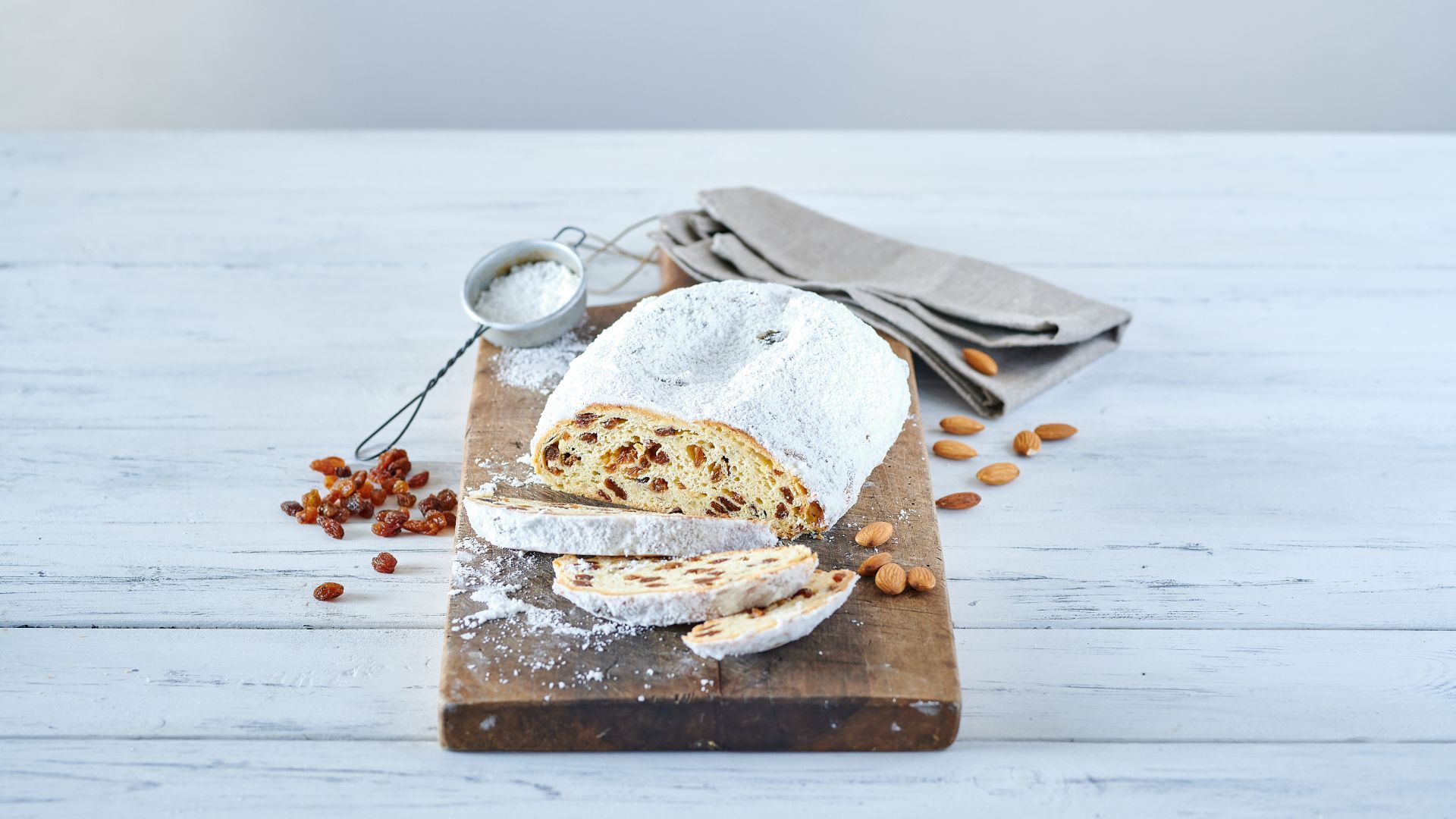 Saxony: Dresden Christmas Stollen
©DZT (Mike Hofstetter)
Saxony: Dresden Christmas Stollen
©DZT (Mike Hofstetter)
What makes Advent so magical? The thousands of Christmas markets scattered across the country, which sweeten the weeks leading up to December 24 with mulled wine, gingerbread, cookies, and other pastries. And stollen! The Dresden Christmas stollen, world-famous for its moist, buttery filling of marzipan, dried fruit, and nuts, is particularly well-known. It tastes especially good at its birthplace, the Striezelmarkt. Tip: At the Stollen Festival, a giant pastry weighing several tons goes on sale here.